


Gynecomastia Surgery in Mumbai
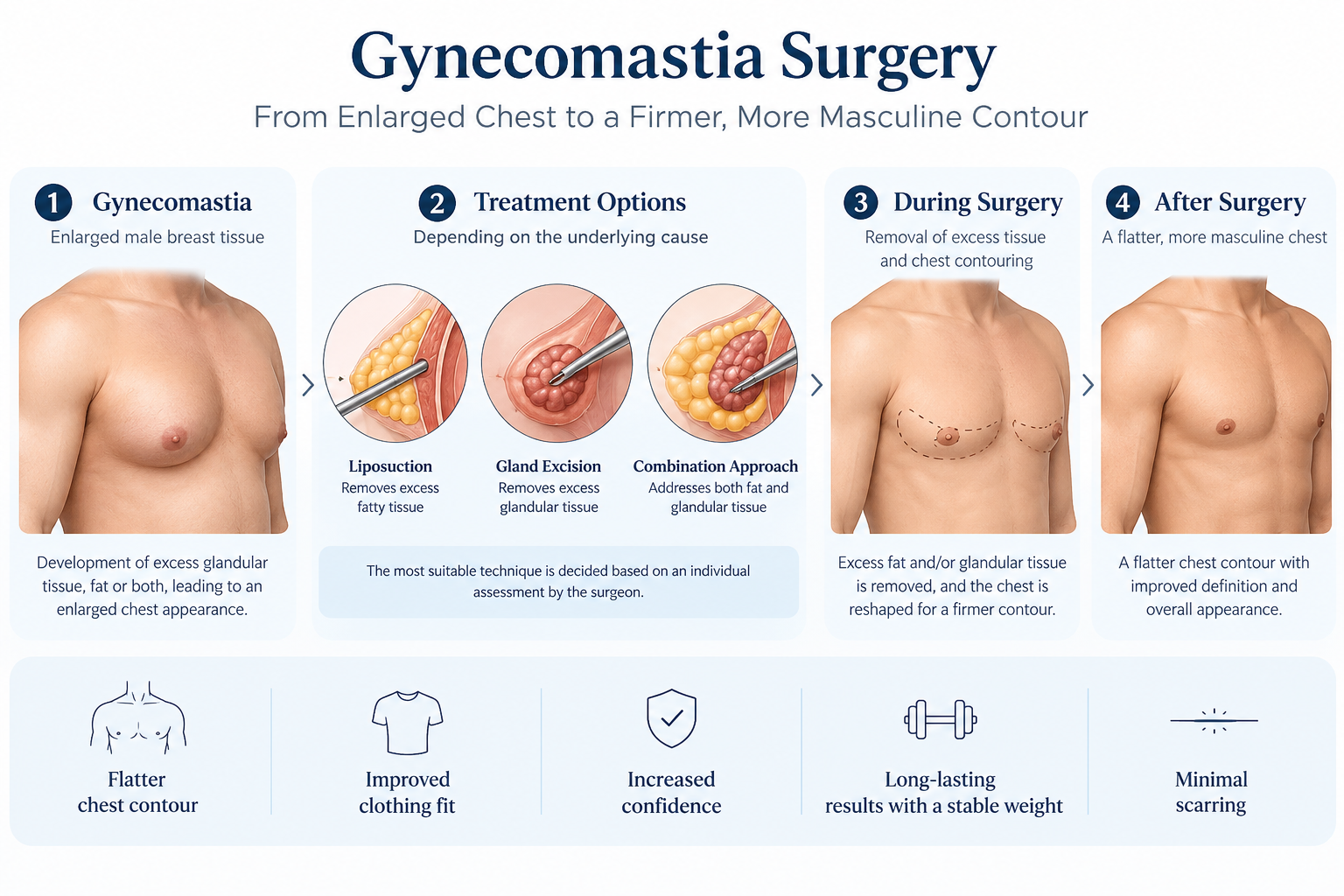
Gynecomastia is a common condition in men that causes enlargement of the chest due to excess glandular tissue, fat, or both. While it is generally not harmful, persistent chest enlargement can affect confidence and comfort in everyday life.
When lifestyle changes do not improve the appearance, gynecomastia surgery can help reduce excess tissue and create a flatter, more balanced chest contour. Dr. Vinay Jacob provides personalised treatment based on each patient's chest structure, the amount of excess tissue, and the desired outcome.
Book Consultation
Fill your details and our team will contact you shortly.
Gynecomastia Treatment at a Glance
| Treatment Detail | Information |
|---|---|
| Treatment | Gynecomastia Surgery / Male Breast Reduction |
| Main Goal | Reduce excess breast tissue and improve chest contour |
| Treatment Approach | Liposuction, gland excision, or a combination of both |
| Procedure Duration | Approximately 1–3 hours |
| Anaesthesia | Usually general anaesthesia |
| Hospital Stay | Day-care or short hospital stay, depending on the case |
| Indicative Average Cost in Mumbai | Around ₹56,000 |
| Indicative Cost Range | Approximately ₹42,000–₹70,000 |
| Initial Recovery | Around 1–2 weeks |
| Return to Exercise | Usually after several weeks, depending on recovery |
| Final Results | Become clearer as swelling gradually settles |
| Treatment Type | Surgical |
| Expected Outcome | Flatter and more defined chest |
Cost Note
The cost mentioned above is an indicative market range in Mumbai and should not be considered a fixed fee. The actual cost can vary depending on the severity of gynecomastia, the surgical technique required, anaesthesia, hospital or facility charges, and the extent of tissue removal.
A consultation is the best way to understand the treatment required and the expected cost for an individual case.
Why Choose Dr. Vinay Jacob for Gynecomastia Treatment?
Treating gynecomastia is not simply about removing breast tissue. The chest needs to be shaped carefully so that the result looks balanced with the shoulders, abdomen and overall body structure.
Dr. Vinay Jacob focuses on individualized surgical planning based on each patient's chest shape and the underlying cause of enlargement.
Individualised Treatment Planning
Every case is different. The treatment approach is planned after assessing the amount and type of excess tissue.
Focus on Natural Chest Contour
The aim is not simply to make the chest smaller but to create a flatter and proportionate appearance.
Combination Techniques When Required
Some patients have both excess fat and firm glandular tissue. In such cases, liposuction and gland removal may be combined.
Attention to Scarring
Incisions are planned carefully and placed where possible to make resulting scars less noticeable.
Experienced Plastic Surgeon
Dr. Vinay Jacob has extensive experience in cosmetic and reconstructive plastic surgery.
Comprehensive Patient Care
From the initial consultation through recovery, patients receive guidance about preparation, surgery, compression garments, activity and follow-up.
Who Should Consider Gynecomastia Surgery?
Surgery may be considered by men who have:
Persistent enlargement of one or both breasts
Excess glandular tissue that does not improve with exercise
Excess fat contributing to a fuller chest
A chest that appears uneven or asymmetrical
Loose skin following significant weight loss
Physical or emotional discomfort related to the appearance of the chest

Before deciding on surgery, it is important to understand why the breast enlargement has occurred. In some patients, hormonal changes, medications, weight fluctuations or certain medical conditions may contribute to the problem.
A proper evaluation helps determine whether surgery is appropriate and which treatment approach is most suitable.
What Is Gynecomastia?
Gynecomastia refers to the enlargement of male breast tissue. It may affect one or both breasts and can develop at different stages of life, including adolescence and adulthood. The condition is commonly associated with changes in the balance of hormones, particularly estrogen and testosterone.
The appearance of gynecomastia can vary from mild fullness around the nipple to more noticeable enlargement involving glandular tissue, fat, and sometimes excess skin. In some cases, men may experience tenderness, sensitivity, or discomfort in the chest area.
Gynecomastia is different from chest enlargement caused primarily by excess fat. Identifying the underlying cause and understanding the type of tissue involved helps determine the most appropriate treatment.
In some individuals, gynecomastia improves without treatment. However, when breast enlargement persists or causes physical discomfort or emotional distress, a medical evaluation can help determine whether treatment or gynecomastia surgery may be appropriate.
What Causes Gynecomastia?
There is no single cause of gynecomastia. It can develop because of changes in the balance between male and female hormones.
Common contributing factors include:
Puberty-related hormonal changes
Age-related hormonal changes
Weight gain
Certain medications
Some medical conditions
Hormonal disorders
Liver or kidney-related conditions
Use of anabolic steroids or certain substances
In some cases, what appears to be gynecomastia may mainly be excess chest fat. This is sometimes referred to as pseudogynecomastia.
An examination is therefore important before deciding on treatment.
Common Signs of Gynecomastia
The condition may present differently from one person to another.
Common signs include:
Enlarged breast area
Firm tissue beneath the nipple or areola
Excess fat around the chest
Increased nipple or areola prominence
Uneven chest appearance
Tenderness or sensitivity in some cases
Difficulty feeling comfortable without a shirt
Not every enlarged male chest requires surgery. A consultation can help determine whether the enlargement is caused mainly by fat, glandular tissue, skin or a combination.
Gynecomastia Treatment Options
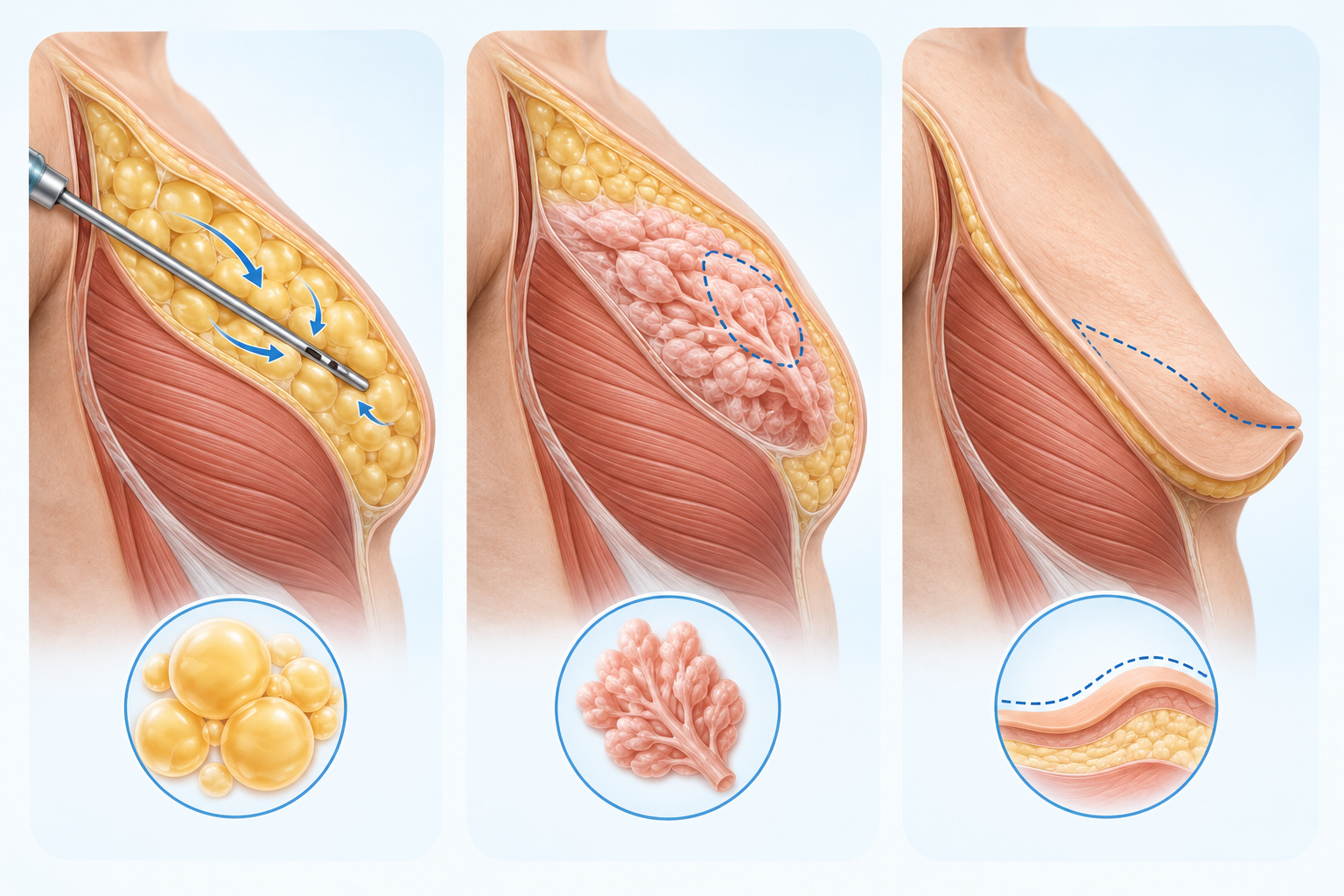
The treatment depends on what is causing the enlargement and how much excess tissue is present.
Approaches designed around your chest
Gynecomastia may involve fat, glandular tissue, excess skin or a combination, and the surgical approach is chosen accordingly.
The need for each technique is assessed individually during consultation.
Liposuction
Liposuction may be suitable when excess fat is the main contributor to the chest fullness.
Small incisions are used to insert a thin cannula and remove unwanted fat. This can help create a flatter and more defined chest.
Liposuction alone may not be sufficient when there is significant firm glandular tissue.
Gland Excision
When dense breast tissue is present beneath the nipple, surgical removal may be required.
The glandular tissue is removed through a carefully planned incision, usually around the areola or another suitable location depending on the case.
Combination Treatment
Many patients have both excess fat and glandular tissue.
In these cases, liposuction can be combined with gland excision to address both components and improve the overall chest contour.
Skin Removal
Patients with significant skin excess, particularly after major weight loss or long-standing enlargement, may require additional skin tightening or removal.
The need for this is assessed individually.
How Is the Treatment Planned?
The first step is a detailed consultation and physical examination.
Dr. Vinay Jacob assesses:
The size and shape of the chest
Whether one or both sides are affected
The amount of fatty tissue
The amount of glandular tissue
Skin quality and elasticity
Nipple and areola position
Overall body proportions
Previous treatments or surgeries
Relevant medical or medication history
Based on these findings, the appropriate surgical technique can be discussed.
The goal is to remove enough tissue to improve the chest without creating an overly hollow or unnatural appearance.
How to Prepare for Surgery
Before surgery, you may be advised to:
Follow the medication instructions provided by your surgeon
Inform the surgical team about all medicines and supplements you take
Avoid smoking or tobacco products as advised
Maintain a stable weight
Complete any recommended medical tests
Arrange someone to accompany you home after surgery
Wear loose and comfortable clothing on the day of the procedure
Your surgeon will provide specific instructions based on your health and planned procedure.
Step-by-Step Gynecomastia Surgery
Consultation and Assessment
Your chest is examined and the type and extent of tissue enlargement are assessed.
Surgical Planning
The appropriate combination of liposuction, gland removal or skin excision is decided.
Anaesthesia
The procedure is generally performed under general anaesthesia, depending on the treatment plan.
Liposuction
If excess fat is present, liposuction may be performed to reduce unwanted volume and improve the chest contour.
Gland Removal
Firm glandular tissue is removed through carefully placed incisions when required.
Chest Contouring
The remaining tissue is shaped to create a smoother and more balanced chest profile.
Closure
The incisions are closed and appropriate dressings are applied.
Compression Garment
A compression garment may be recommended to support the healing tissues and help control swelling.
Recovery After Gynecomastia Surgery
Recovery varies from patient to patient and depends on the extent of surgery.
First Few Days
Swelling, bruising, tightness and mild discomfort are common. Pain medication may be prescribed if required.
First 1–2 Weeks
Most patients can gradually return to light daily activities. A compression garment may need to be worn according to the surgeon's instructions.
2–4 Weeks
As healing progresses, many routine activities can be resumed. Strenuous exercise should still be avoided until clearance is given.
Around 4–6 Weeks
Exercise and more demanding physical activities can usually be reintroduced gradually when the surgeon considers it appropriate.
Following Months
Swelling continues to settle and the chest gradually takes on its final contour. Scar appearance also tends to improve with time.
Recovery Tips
To support recovery:
Wear the compression garment as instructed
Avoid strenuous activity during the early healing period
Keep the incision areas clean and follow wound-care instructions
Take prescribed medicines as directed
Attend follow-up appointments
Avoid smoking because it can interfere with healing
Do not restart heavy workouts without medical clearance
Following post-operative instructions is an important part of achieving a good result.
What Results Can You Expect?
The main aim of surgery is to create a flatter and more proportionate chest. After recovery, patients may notice:

A flatter and more proportionate chest
The result develops gradually. Early swelling can temporarily make the chest appear different from its final appearance.
Reduced chest fullness
A flatter chest profile
Better definition around the chest
Improved balance between the chest and upper body
Less prominence beneath the nipples
Greater comfort when wearing fitted clothing
Is Gynecomastia Surgery Permanent?
The breast tissue removed during surgery does not simply grow back in the same way. However, changes in body weight, hormones, medications or certain medical conditions can affect the chest in the future.
Maintaining a stable weight and addressing any underlying causes can help support the long-term result.
Will There Be Scars?
Any surgical procedure involving an incision can leave a scar.
For gynecomastia surgery, incisions are planned according to the technique required. When glandular tissue needs to be removed, an incision may be placed around or near the edge of the areola.
Scars generally improve in appearance as they mature, although their final appearance varies from person to person.
Book a Consultation
If enlarged male breasts are affecting your confidence, clothing choices or comfort, a consultation can help you understand the reason for the enlargement and whether treatment is appropriate.
Dr. Vinay Jacob can assess your chest and discuss the available options based on your individual anatomy and goals.
Book a consultation to discuss gynecomastia treatment, the appropriate surgical approach and the expected cost for your case.
Gynecomastia Surgery Cost in Mumbai
The cost of treatment can vary considerably because every case requires a different surgical approach.
Indicative Cost
| Treatment | Approximate Cost |
|---|---|
| Gynecomastia surgery in Mumbai | ₹42,000–₹70,000 |
| Indicative average | Around ₹56,000 |
These figures are intended as a general market reference and are not a fixed quotation from Dr. Vinay Jacob.
Factors That Affect the Cost
The final cost may depend on:
Grade and severity of gynecomastia
Whether one or both sides require treatment
Amount of excess fat
Amount of glandular tissue
Whether liposuction is required
Whether gland excision is required
Need for skin removal
Anaesthesia charges
Hospital or surgical facility charges
Investigations and medicines
Follow-up and post-operative care
An exact estimate can only be provided after a clinical assessment.
What May Be Included in the Treatment Cost?
Depending on the treatment plan and facility, the overall cost may include components such as:
Surgeon’s professional fee
Anaesthesia
Operating room or facility charges
Surgical consumables
Post-operative dressings
Compression garment, where applicable
Follow-up consultations
Patients should confirm the exact inclusions during their consultation.
Is Gynecomastia Surgery Safe?
Gynecomastia surgery is a commonly performed procedure, but like any surgery, it has potential risks and complications. Possible risks include:
Bleeding
Infection
Swelling
Bruising
Fluid collection
Temporary changes in sensation
Scarring
Asymmetry
Contour irregularities
Need for revision surgery in selected cases
The individual risks depend on the patient's health, anatomy and surgical technique.
A detailed consultation allows these risks to be discussed before treatment.
About Dr. Vinay Jacob
Dr. Vinay Jacob is a Senior Plastic Surgeon practising in Mumbai, with extensive experience in cosmetic and reconstructive plastic surgery.
His qualifications include:
- MBBS
- MS
- MCh
- DNB
- International fellowship training
His approach focuses on understanding the patient's concerns, evaluating the underlying problem and developing a treatment plan that is appropriate for the individual's anatomy and goals.
He is associated with Bombay Hospital Institute of Medical Sciences, Mumbai.
Why Patients Consider Treatment With Dr. Vinay Jacob
Gynecomastia treatment requires more than simply removing volume from the chest. The amount of tissue removed and the way the remaining tissues are contoured can influence the final appearance.
The treatment approach therefore focuses on:
Careful assessment
Individualised surgical planning
Appropriate selection of technique
Balanced chest contouring
Attention to scar placement
Structured post-operative care
Before & After Gallery
Before-and-after photographs can help patients understand the type of changes that may be possible with treatment.
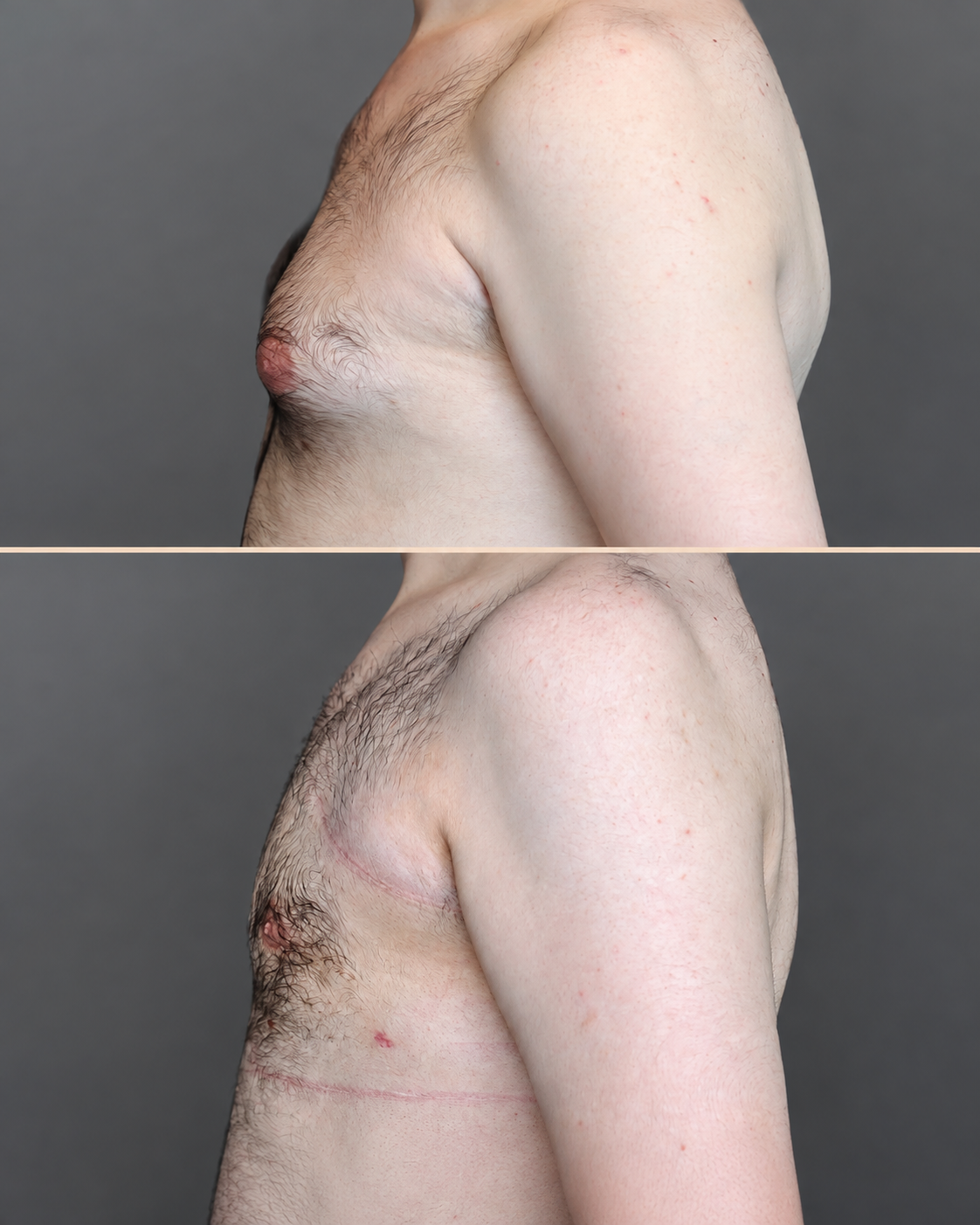
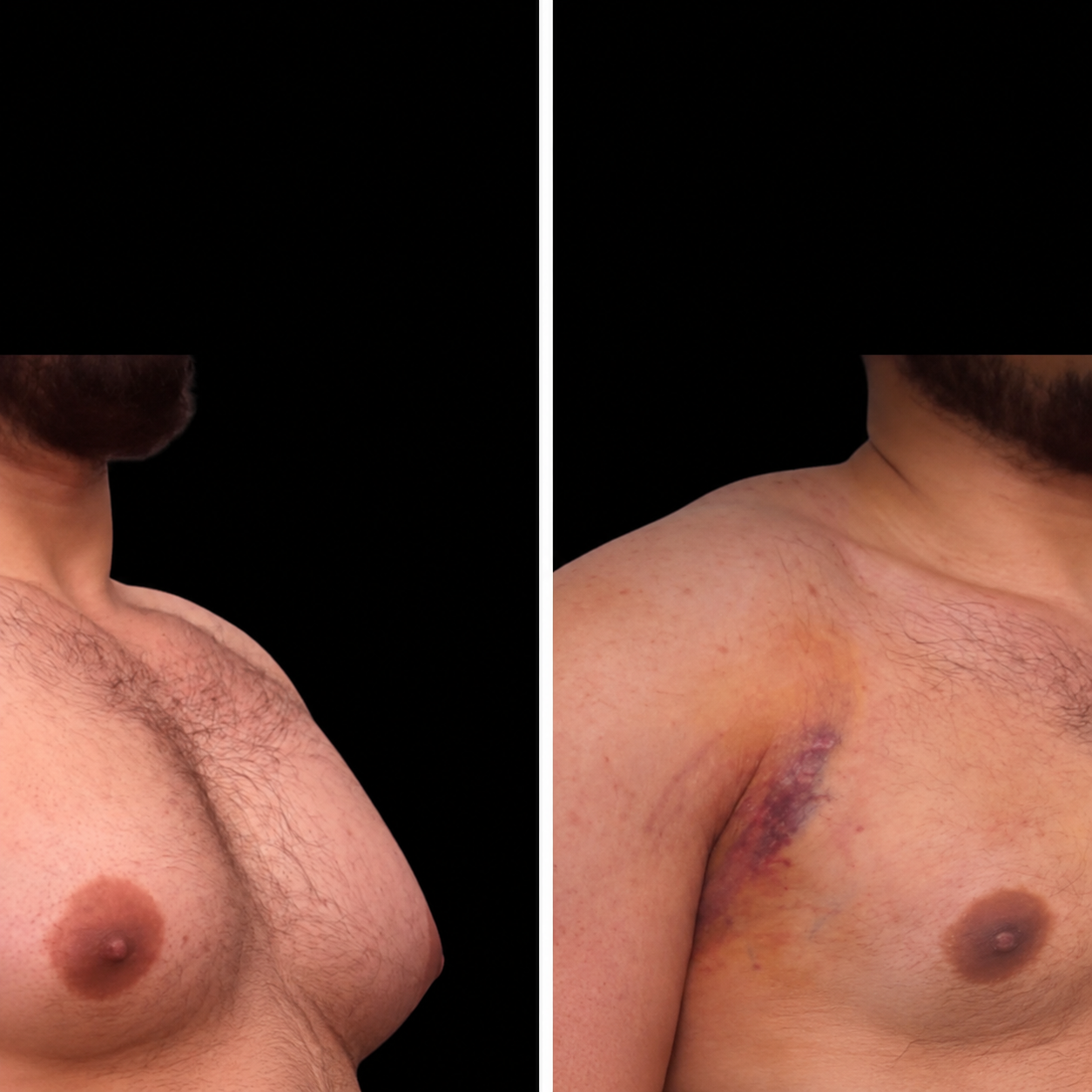
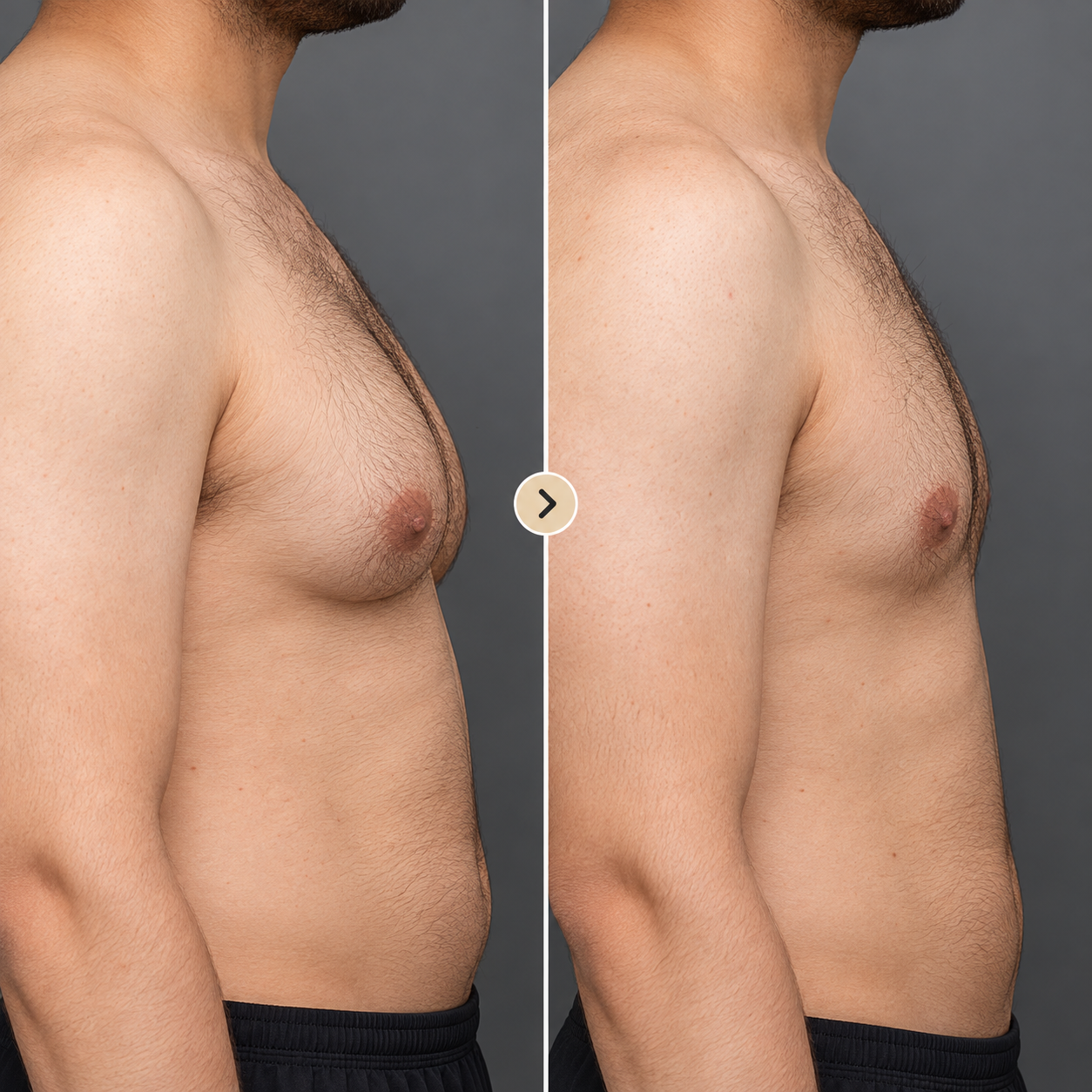
Individual results vary depending on the amount of tissue present, skin quality, body structure and the surgical technique used.
Frequently Asked Questions
What is gynecomastia?
Can exercise get rid of gynecomastia?
Is gynecomastia surgery painful?
How long does gynecomastia surgery take?
How long does it take to recover?
Will gynecomastia come back after surgery?
Will there be visible scars?
Can gynecomastia affect only one side?
Can gynecomastia be treated without surgery?
How much does gynecomastia surgery cost in Mumbai?
When should I consult a plastic surgeon?
Take the Next Step
A flatter and more proportionate chest can make a meaningful difference in how you feel about your body.
If you are considering treatment for persistent male breast enlargement, consult Dr. Vinay Jacob to understand the cause of your condition, available treatment options, expected recovery and the cost for your individual case.
Book a consultation to discuss your gynecomastia treatment options.
Email: [email protected]
Related Procedures
Medical Disclaimer
The information provided on this page is for general educational purposes and should not be considered a substitute for professional medical advice, diagnosis or treatment.
The suitability of gynecomastia surgery varies from patient to patient. A consultation and clinical assessment are required before deciding on treatment.