


Breast Implant Surgery in Mumbai
Enhance breast size, restore lost volume, and improve breast shape with personalized breast implant surgery in Mumbai by Dr. Vinay Jacob. With 25+ years of experience in plastic and reconstructive surgery, he focuses on individualized treatment planning, careful implant selection, and balanced, natural-looking results.
Book Consultation
Fill your details and our team will contact you shortly.
Breast Implant Surgery at a Glance
| Treatment | Breast Implant Surgery / Breast Augmentation |
|---|---|
| Procedure Duration | Approximately 1–2 Hours |
| Anaesthesia | Usually General Anaesthesia |
| Hospital Stay | Day Care / Short Stay, Depending on the Case |
| Approx. Cost in Mumbai | ₹1.5 Lakh – ₹3.5 Lakh |
| Typical Average Cost | Around ₹2 Lakh – ₹2.5 Lakh |
| Initial Recovery | Approximately 1–2 Weeks |
| Return to Most Activities | Usually Within Several Weeks |
| Final Breast Shape | Develops Gradually Over Several Months |
| Results | Long-Lasting; Implants Are Not Lifetime Devices |
| Treatment Type | Cosmetic Breast Augmentation / Selected Reconstruction |
Cost Note: The above figures are indicative. The actual cost depends on the implant brand and type, implant size and profile, surgical technique, hospital facilities, anaesthesia, surgeon's fees, and whether additional procedures such as a breast lift are required. A personalized cost estimate is provided after consultation.
Why Choose Dr. Vinay Jacob for Breast Implant Surgery in Mumbai?
Breast augmentation is not simply about increasing breast size. Implant selection, placement, breast proportions, existing tissue, skin quality, and the patient's desired appearance can all influence the final outcome. Dr. Vinay Jacob follows an individualized approach to breast implant surgery, with treatment planning based on each patient's anatomy, lifestyle, expectations, and aesthetic goals.
25+ Years of Surgical Experience
Dr. Vinay Jacob has more than 25 years of experience in plastic and reconstructive surgery.
Personalized Treatment Planning
Every procedure is planned according to the patient's breast anatomy, body proportions, existing tissue, and desired outcome.
Individualized Implant Selection
Implant size, shape, profile, surface, and placement are selected according to the patient's anatomy and treatment objectives.
Focus on Natural-Looking Results
The goal is to create breast volume and shape that complement the patient's overall body proportions rather than simply increasing breast size.
Cosmetic & Reconstructive Experience
Experience across cosmetic and reconstructive plastic surgery allows treatment planning to consider both aesthetic and reconstructive requirements.
Comprehensive Surgical Care
Patients receive individualized pre-operative assessment, surgical planning, and post-operative follow-up throughout the treatment journey.
What Is Breast Implant Surgery?
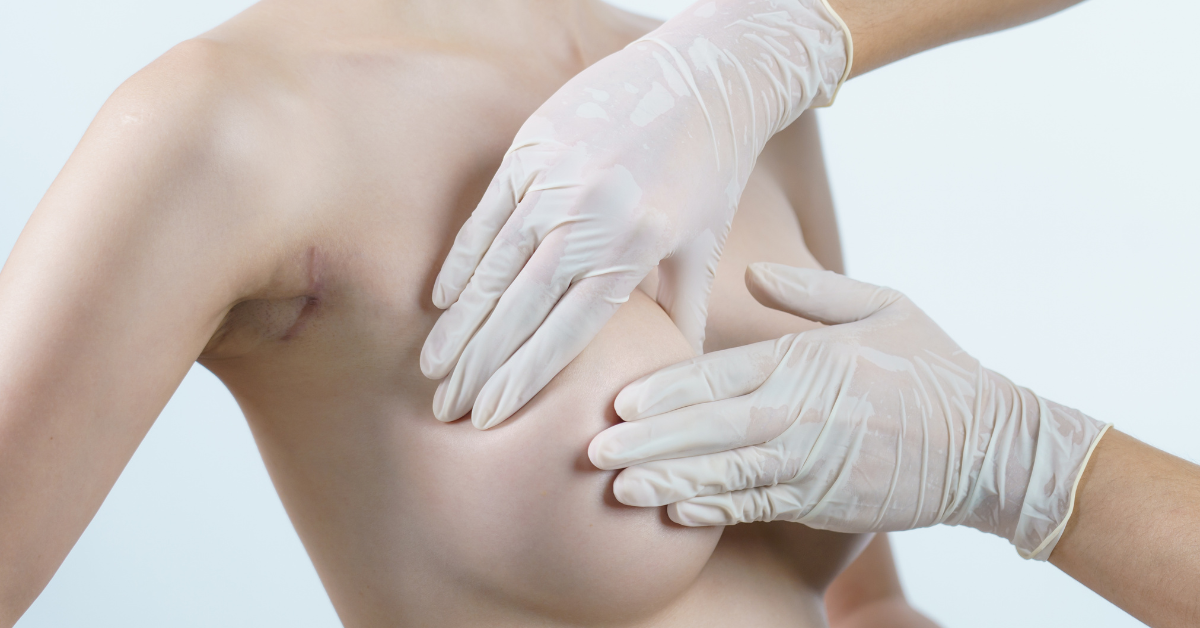
Breast implant surgery, also known as breast augmentation or augmentation mammoplasty, is a surgical procedure used to increase breast volume and improve breast shape, fullness, or symmetry using breast implants.
Women may consider breast augmentation if they have naturally smaller breasts, have experienced loss of breast volume following pregnancy, breastfeeding, or weight loss, or want to improve differences in breast size.
Breast implants may also be used as part of selected breast reconstruction procedures after mastectomy, trauma, or other causes of breast tissue loss.
Breast augmentation is not simply about choosing a larger implant. Implant size, shape, profile, placement, and the amount of existing breast tissue all influence the final result. At Dr. Vinay Jacob's practice, each procedure is planned around the patient's anatomy, body proportions, lifestyle, expectations, and desired appearance.
Why Do Women Choose Breast Implants?
Women consider breast implant surgery in Mumbai for different personal and aesthetic reasons.

Aesthetic Reasons
- Enhancing naturally small breasts
- Improving breast symmetry
- Improving body proportions
- Enhancing breast shape and contour
Volume Restoration & Reconstruction
- Restoring breast volume after pregnancy or breastfeeding
- Restoring volume after significant weight loss
- Breast reconstruction following mastectomy
The appropriate approach depends on the patient's anatomy, medical history, breast tissue, skin quality, and individual goals.
Who Is a Candidate for Breast Implant Surgery?
You may be considered for breast augmentation if you:
Are physically mature and have completed breast development.
Are in generally good health.
Have realistic expectations about the outcome.
Are unhappy with the size or fullness of your breasts.
Want to improve breast asymmetry.
Have experienced breast volume loss following pregnancy or weight loss.
Want to improve overall breast proportions.
Are considering breast reconstruction after breast tissue loss.
Understand that breast implants require long-term monitoring.
Understand that additional surgery may be required in the future.
A consultation with a qualified plastic surgeon is essential to determine whether breast implant surgery is appropriate for you.
When May a Breast Lift Be Better Than Implants Alone?
Breast implants primarily add volume. They do not necessarily correct significant breast sagging. If the breasts have substantial drooping or excess skin, a breast lift, sometimes combined with implants, may provide a more appropriate result.
During consultation, Dr. Vinay Jacob can assess:
Breast Position
The current position of the breast on the chest wall.
Skin Elasticity
The quality and elasticity of the overlying skin.
Nipple Position
Position of the nipple relative to the breast fold.
Existing Breast Volume
The amount of natural breast tissue already present.
Degree of Breast Sagging
The extent of ptosis affecting the surgical plan.
Breast Asymmetry
Any existing differences between the two breasts.
Depending on these factors, breast augmentation alone or breast augmentation combined with a breast lift may be considered.
Types of Breast Implants
Breast implants vary in filling material, shape, size, profile, and surface characteristics. The two main filling materials are silicone gel and saline. Both types have a silicone outer shell, while their internal filling differs.
Silicone Gel Implants
Contain silicone gel inside a silicone outer shell. Available in different sizes, shapes, and surface types.
Saline Implants
Contain sterile saline solution inside a silicone outer shell, available in different sizes and surface types.
Round Implants
Provide fullness throughout the breast and may create greater upper-breast fullness depending on profile and placement.
Anatomical / Teardrop Implants
Designed with a more contoured shape intended to follow the natural breast profile.
Smooth-Surface Implants
Have a smooth outer shell and are used in many breast augmentation procedures.
Textured-Surface Implants
Have a textured outer surface. Textured implants have been associated with a higher risk of BIA-ALCL compared with smooth implants.
How Is the Right Breast Implant Selected?
Choosing an implant is not simply a matter of selecting a cup size. Dr. Vinay Jacob considers several factors when recommending an implant, evaluated together with your anatomy and desired outcome:
Breast Width
Assessed to guide implant base diameter.
Chest Dimensions
Chest wall shape and width considered in planning.
Existing Breast Tissue
Natural tissue volume affects implant choice.
Skin Elasticity
Skin quality influences coverage and result.
Breast Asymmetry
Existing differences factored into planning.
Nipple Position
Considered for overall breast balance.
Desired Breast Size & Fullness
Discussed in detail during consultation.
Implant Shape, Profile & Surface
Selected to match anatomy and goals.
Implant Placement
Plane of placement chosen for best coverage.
Lifestyle & Long-Term Expectations
Personal goals guide the final recommendation.
Benefits of Breast Implant Surgery
Breast augmentation may provide several aesthetic benefits when appropriately planned.
Increased Breast Volume
- Additional fullness for women who desire larger breasts
- Restored fullness lost after pregnancy or weight changes
- Enhanced breast shape and contour
Improved Proportions & Confidence
- More balanced relationship between breasts, chest, and body
- Improved breast symmetry
- Improved confidence and comfort with appearance
The outcome varies between individuals, and realistic expectations are an important part of treatment planning.
Ready to Enhance Your Shape & Confidence?
If you are considering breast implant surgery to increase volume, restore fullness, or improve breast proportions, schedule a consultation with Dr. Vinay Jacob. A personalized evaluation can help determine the most suitable implant and technique for natural-looking, long-lasting results.
Breast Implant Placement Options
Breast implants can be positioned in different anatomical planes depending on the patient's anatomy and treatment goals.
Subglandular Placement
The implant is positioned beneath the breast tissue and above the chest muscle.
Submuscular Placement
The implant is positioned beneath the chest muscle.
Dual-Plane Placement
Combines elements of subglandular and submuscular positioning and may be suitable for selected patients.
The choice of implant placement depends on breast tissue, chest anatomy, implant characteristics, skin coverage, and the desired aesthetic result.
Breast Implant Incision Options
Inframammary Incision
Placed within the fold beneath the breast; commonly used for breast augmentation.
Periareolar Incision
Positioned around the edge of the areola in selected patients.
Transaxillary Incision
The implant is inserted through an incision in the armpit in selected cases.
The incision technique is selected according to the patient's anatomy, implant type, surgical plan, and surgeon's recommendation.
How to Prepare for Breast Implant Surgery
Proper preparation can help make the surgical process safer and support recovery.
Medical Evaluation
Your surgeon will review your medical history, previous surgeries, medications, allergies, and relevant breast health information.
Breast Assessment
Breast size, shape, tissue quality, skin elasticity, nipple position, and asymmetry are assessed before implant selection.
Review Medications
Inform your surgeon about all medications, supplements, and vitamins you take, and follow instructions on adjustments needed before surgery.
Recommended Investigations
Depending on your age, health, and medical history, blood tests, breast imaging, or other pre-operative investigations may be recommended.
Stop Smoking
Smoking and nicotine use can interfere with wound healing and increase surgical risks.
Arrange Post-Operative Support
Arrange transportation and, where required, assistance at home during the initial recovery period.
Follow Fasting Instructions
If general anaesthesia is planned, follow the fasting instructions provided by your anaesthesia and surgical team.
The Breast Implant Procedure — Step by Step

Consultation
The process begins with a detailed consultation to understand your concerns, desired breast size, preferred appearance, and expectations.
Breast Assessment
Your breast dimensions, tissue quality, skin elasticity, breast asymmetry, and chest anatomy are evaluated.
Implant Selection
The implant size, shape, profile, surface, and placement are selected according to your anatomy and treatment goals.
Anaesthesia
Breast augmentation is commonly performed under general anaesthesia, with the exact plan depending on the procedure and your individual medical circumstances.
Incision
A carefully planned incision is made at the selected location.
Implant Pocket Creation
A pocket is created in the appropriate anatomical plane to accommodate the implant.
Implant Placement
The selected breast implant is carefully positioned within the prepared pocket.
Closure
The incision is closed using appropriate surgical techniques, and dressings or supportive garments may be applied according to the surgical plan.
Recovery After Breast Implant Surgery
Recovery varies between patients and depends on implant placement, surgical technique, individual healing, and whether additional procedures are performed.

First Week
- Swelling
- Tightness or pressure in the chest
- Bruising
- Mild to moderate discomfort
- Temporary limitation in arm movement
Two to Four Weeks
- Swelling gradually decreases
- Routine non-strenuous activities usually resume progressively
- Many patients return to desk-based work
- Heavy lifting and strenuous exercise avoided until cleared
Four to Six Weeks
- Breast swelling continues to settle
- Implants may begin to feel more natural
- Gradual return to exercise, depending on healing
Several Months
- Breast shape and implant position continue to settle
- Scars mature and generally become less noticeable
Recovery is individual, and your surgeon's specific instructions should always take priority.
Recovery Tips After Breast Implant Surgery
Following your surgeon's post-operative instructions can help ensure a smooth recovery and optimal results.
Wear Your Recommended Support Garment
Use the post-operative bra or support garment recommended by your surgeon.
Avoid Heavy Lifting
Avoid heavy lifting, strenuous exercise, and chest-intensive activities until your surgeon confirms it is safe.
Follow Wound-Care Instructions
Keep the incision area clean and follow the instructions provided by your surgical team.
Sleep as Recommended
Follow your surgeon's recommendations regarding sleeping position during initial recovery.
Take Prescribed Medication
Use medications exactly as directed by your surgical team.
Attend Follow-Up Appointments
Follow-up appointments allow your surgeon to monitor healing, implant position, and recovery.
Report Unusual Changes
Contact your surgeon if you experience significant swelling, increasing pain, redness, fever, fluid collection, or other unusual symptoms.
Breast Implant Results
Breast implant surgery provides long-lasting changes in breast volume and shape, but the final appearance develops gradually.
Fuller Breast Appearance
Implants increase breast volume and fullness.
Improved Body Proportions
Implant size and profile can be selected to complement your chest and body proportions.
Improved Breast Symmetry
Careful planning can help improve differences in breast volume.
Natural-Looking Contour
Appropriate implant selection, placement, and tissue coverage contribute to a balanced appearance.
Long-Term Changes
Pregnancy, ageing, weight fluctuations, and natural tissue changes can alter appearance over time.
Breast implants are not lifetime devices, and some patients may require additional surgery for complications, implant replacement, removal, or other reasons.
Breast Implant Cost in Mumbai
The cost of breast implant surgery in Mumbai varies depending on the implant selected, surgical technique, hospital facilities, anaesthesia, surgeon's fees, and whether additional procedures are required. As an indicative estimate, breast implant surgery in Mumbai may cost approximately ₹1.5 lakh to ₹3.5 lakh, with many standard cosmetic breast augmentation procedures falling around ₹2 lakh to ₹2.5 lakh. These figures should be treated as an indicative range rather than a fixed surgical fee.
Factors Affecting Breast Implant Cost
Type and Brand of Implant
Different manufacturers, models, filling materials, shapes, and specifications can have different costs.
Implant Size and Profile
The selected implant size and profile can influence the overall implant cost.
Surgical Technique
The complexity of surgery, implant placement, and incision technique can affect the surgical fee.
Hospital and Operating Facility
Hospital, operating-room, nursing, and post-operative monitoring charges contribute to the overall cost.
Anaesthesia Charges
General anaesthesia charges form part of the total treatment cost.
Surgeon's Fees
The surgeon's qualifications, experience, and procedure complexity determine the professional fee.
Additional Procedures
Combining augmentation with a breast lift, asymmetry correction, or revision surgery may raise the overall cost.
What May Be Included in the Breast Implant Surgery Cost?
Depending on the treatment plan and hospital, the overall estimate may include the surgeon's professional fees, breast implants, anaesthesia charges, operating-room charges, hospital or facility charges, pre-operative investigations, surgical consumables, immediate post-operative care, and follow-up consultations. Exact inclusions can vary, so patients should confirm the complete treatment package before surgery.
There is no single fixed cost for breast augmentation because every patient's anatomy and surgical requirements are different. Implant selection, breast size and shape, tissue quality, desired outcome, surgical technique, and additional procedures needed can all affect the final estimate.
Want an Exact Cost Estimate?
During your consultation, Dr. Vinay Jacob will assess your breast anatomy, discuss your desired size and shape, explain the available implant options, and recommend an appropriate surgical approach. You will then receive a personalized treatment plan and detailed cost estimate.
Risks & Complications of Breast Implant Surgery
Breast implant surgery is a surgical procedure and carries potential risks.
Infection
May require medical treatment or additional surgery in some cases.
Bleeding or Hematoma
A collection of blood around the implant can occur and may require treatment.
Capsular Contracture
Scar tissue can form around the implant and become unusually firm or tight.
Implant Rupture
Saline implants generally deflate when ruptured; silicone rupture may sometimes be silent.
Changes in Sensation
Some patients experience temporary or permanent changes in nipple or breast sensation.
Implant Displacement
An implant can shift from its intended position and affect symmetry or appearance.
Breast Asymmetry
Existing differences may remain, or asymmetry may develop after surgery.
Scarring
All surgical incisions leave scars, which generally improve as they mature.
Pain
Some patients experience breast or chest discomfort after surgery or later.
Additional Surgery
Revision surgery, implant replacement, or removal may be required during a patient's lifetime.
BIA-ALCL
A rare type of non-Hodgkin lymphoma associated with breast implants, reported more frequently with textured implants than smooth implants.
Other Rare Implant-Associated Conditions
Rare cases of other cancers, including squamous cell carcinoma and other lymphomas, have been reported in the capsule around breast implants.
Persistent swelling, a mass, or pain around an implant, particularly years after implantation, should be evaluated by a healthcare professional. Patients should discuss implant-specific risks and long-term monitoring with their surgeon.
Breast Implant Monitoring & Long-Term Care
Breast implants require long-term awareness and follow-up. Because breast implants are not lifetime devices, some patients may eventually require implant removal, replacement, or revision surgery. The timing cannot be predicted for an individual patient.
Patients should continue routine breast health screening according to their age, personal risk factors, and healthcare provider's recommendations. If you have breast implants, tell the imaging facility before undergoing a mammogram so appropriate techniques can be used. For silicone gel-filled implants, appropriate imaging surveillance for silent rupture should be discussed with your healthcare provider based on current recommendations and individual circumstances.
Contact your surgeon or healthcare provider if you notice:
Persistent breast swelling, new breast pain, a new lump or mass, significant changes in breast shape, persistent firmness, sudden changes in breast size, or other unusual symptoms.
Breast Implant Surgery, Mammograms & Breastfeeding
Breast Implants and Mammograms
Having breast implants does not eliminate the need for routine breast cancer screening. When scheduling a mammogram, inform the imaging centre that you have breast implants. Additional mammographic views or implant-displacement techniques may be used to improve visualization of breast tissue. Your screening schedule should be based on your age, breast cancer risk, and recommendations from your healthcare provider.
Breast Implant Surgery and Breastfeeding
Many women are able to breastfeed after breast augmentation, although breastfeeding outcomes can vary. Factors that may influence breastfeeding include individual breast anatomy, existing milk-producing tissue, incision location, surgical technique, implant placement, and other breast procedures. If you plan to have children or would like to breastfeed in the future, discuss this with your surgeon before breast augmentation.
Breast Augmentation vs Breast Reconstruction, and Implants vs Fat Transfer
Breast Augmentation
Generally performed to increase breast volume or improve breast shape, symmetry, and body proportions in women seeking cosmetic enhancement.
Breast Reconstruction
Aims to restore breast form after mastectomy, cancer treatment, trauma, or selected congenital conditions. Implants can be used in both procedures, but treatment objectives and techniques may differ.
Breast Implants
Provide a predictable increase in breast volume and are available in different sizes, shapes, and profiles.
Fat Transfer
Uses fat harvested from another area of the patient's body, injected into the breasts. It may provide a more subtle increase in volume and is suitable only for selected patients.
The best option depends on your body anatomy, available donor fat, desired increase in breast size, and treatment goals.
About Dr. Vinay Jacob
Dr. Vinay Jacob is a Senior Plastic & Reconstructive Surgeon in Mumbai with more than 25 years of experience in cosmetic, plastic, and reconstructive surgery, internationally recognized for delivering personalized procedures with a strong emphasis on patient safety, natural aesthetics, and evidence-based surgical care.
Qualifications
MBBS, MS (General Surgery), MCh (Plastic Surgery), DNB (Plastic Surgery)
Experience
25+ years of surgical experience
International Training
International fellowship training across Europe and the UK.
Hospital Associations
Associated with Bombay Hospital and Breach Candy Hospital, Mumbai.
Areas of Expertise
Breast Augmentation & Breast Implant Surgery
Individualized implant selection and placement for balanced, natural results.
Breast Lift
Improving breast position and correcting breast sagging.
Breast Reduction
Reducing excessive breast volume and improving proportions and comfort.
Breast Reconstruction
Restoring breast form after mastectomy or other breast tissue loss.
Cosmetic & Reconstructive Plastic Surgery
Comprehensive expertise across aesthetic and reconstructive procedures.
Hand & Microsurgery
Advanced microsurgical training and reconstructive expertise.
Consult an Experienced Breast Implant Surgeon
Take the next step towards achieving balanced, natural-looking breast volume and shape. Book a one-on-one consultation with Dr. Vinay Jacob to discuss your concerns and treatment options.
Breast Implant Before & After Gallery
Explore genuine before-and-after results of patients who have undergone breast implant surgery in Mumbai with Dr. Vinay Jacob. Every patient's breast anatomy, tissue quality, implant selection, and surgical plan are different. Before-and-after photographs are examples of individual outcomes and should not be interpreted as a guarantee of a particular result.
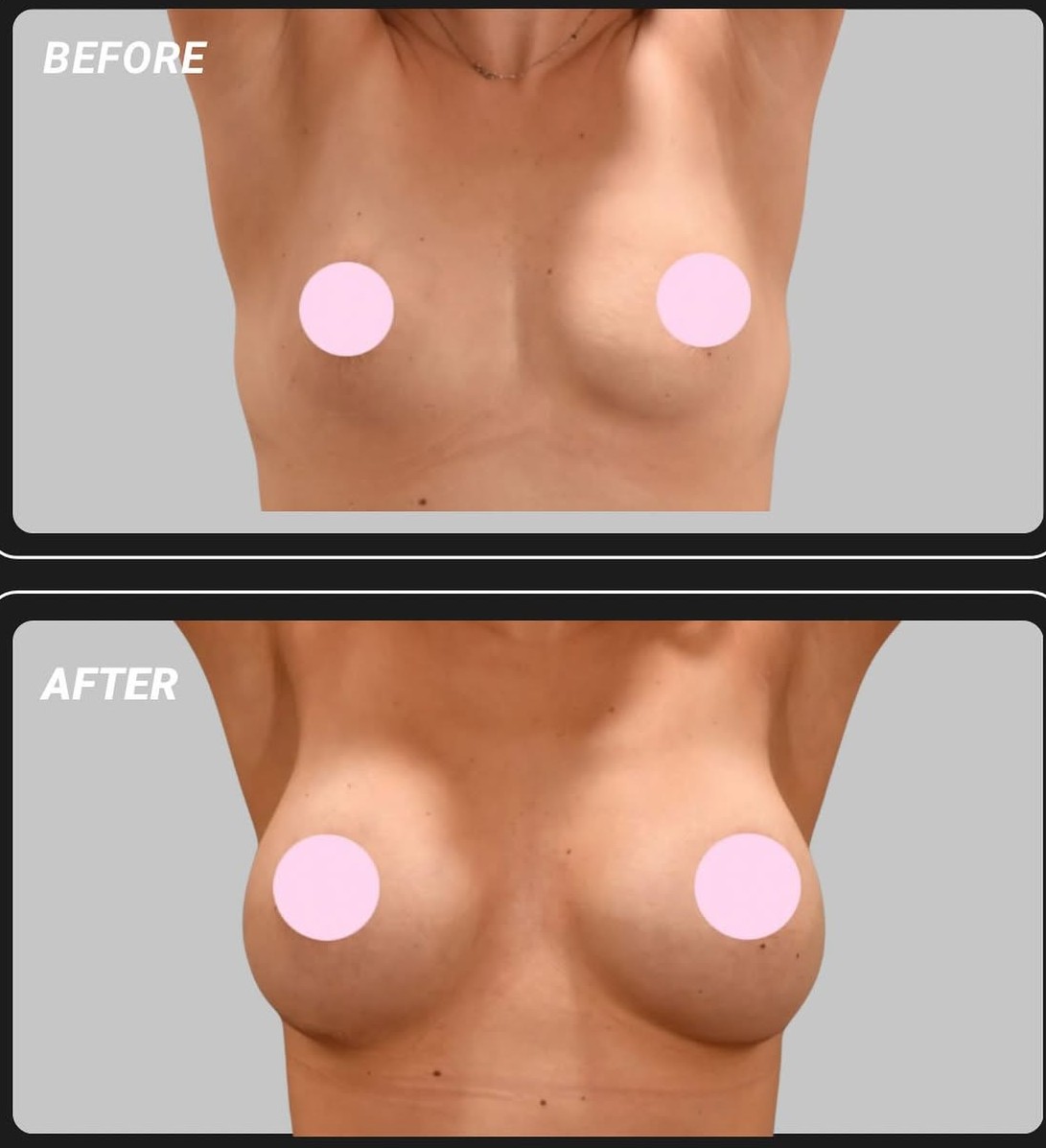
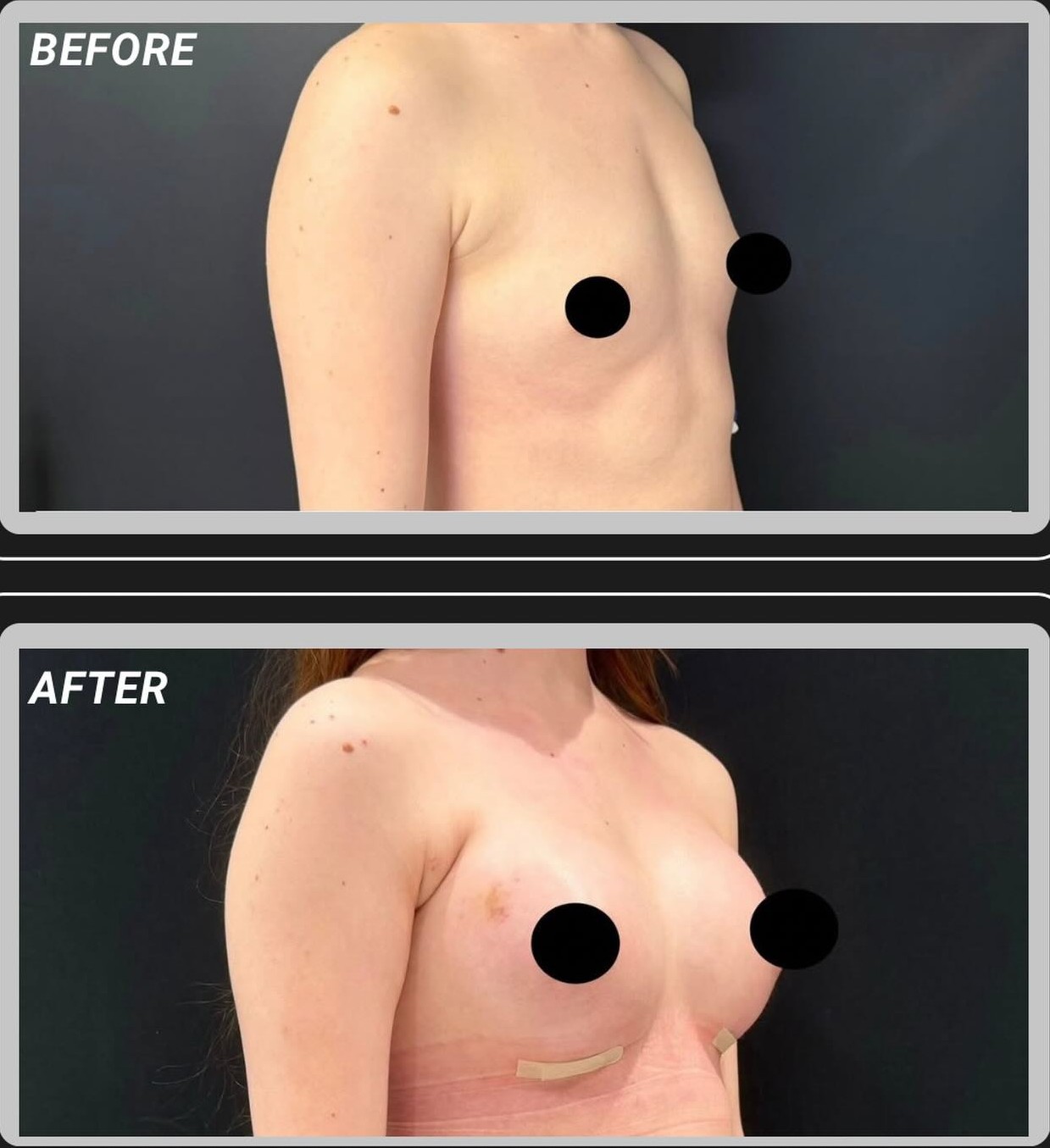
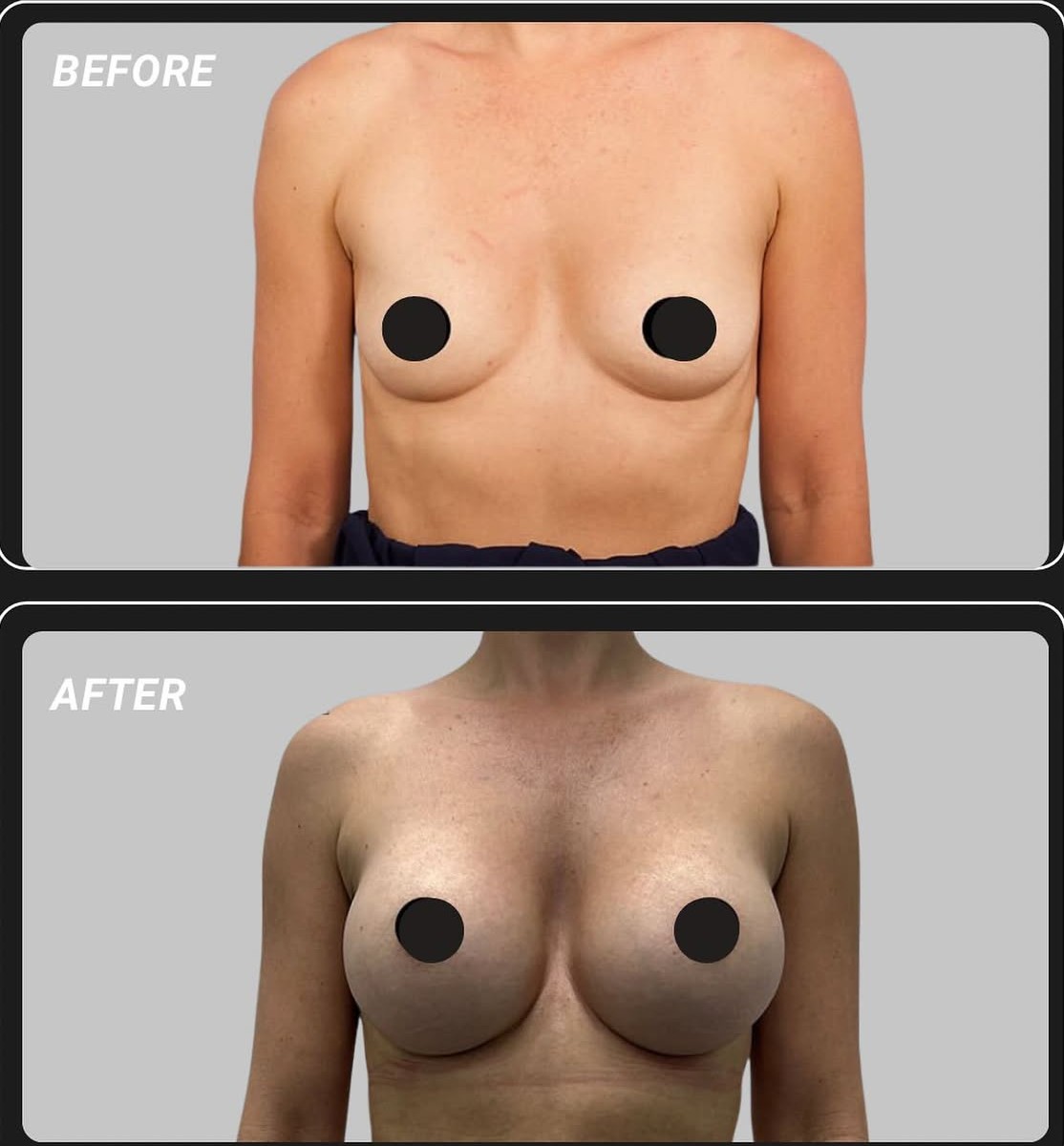

Breast Volume Enhancement
Breast implants can provide additional volume and fullness according to the patient's treatment goals.
Improved Breast Proportions
Implant selection can be planned to complement the patient's chest width and overall body proportions.
Improved Symmetry
In selected patients, carefully planned augmentation can help address differences in breast volume.
Frequently Asked Questions
What is breast implant surgery?
How much does breast implant surgery cost in Mumbai?
What is the difference between breast implants and breast augmentation?
Which is better: silicone or saline breast implants?
Will breast implants look natural?
How long do breast implants last?
What is the recovery time after breast augmentation?
Can I breastfeed after breast implant surgery?
Can breast implants rupture?
Are breast implants safe?
Are breast implants permanent?
Will breast implants affect mammograms?
Can breast implants be removed later?
What happens if a breast implant ruptures?
Can I combine breast implants with a breast lift?
How do I choose the right breast implant size?
Does breast implant surgery leave scars?
Can breast implants improve breast asymmetry?
Can I have a breast lift instead of implants?
How often should breast implants be checked?
Disclaimer
The information provided on this page is for educational purposes only and should not be considered medical advice. Every patient has different anatomy, medical history, breast tissue, and aesthetic goals.
Treatment recommendations, implant selection, and surgical techniques should be determined after an individual consultation with a qualified plastic surgeon, Dr. Vinay Jacob.
Schedule Your Breast Implant Consultation Today
If you are considering breast implant surgery in Mumbai to increase breast volume, restore lost fullness, or improve breast proportions, Dr. Vinay Jacob will create a personalized treatment plan based on your anatomy and goals.
Explore Related Breast & Cosmetic Procedures
Explore other breast and cosmetic aesthetic procedures that may complement your treatment goals.
Breast Lift
Improve breast position and address breast sagging with personalized breast lift surgery.
Breast Reduction
Reduce excessive breast volume and improve breast proportions and comfort.
Gynecomastia Surgery
Reduce excess male breast tissue and improve chest contour.
Liposuction
Remove localized excess fat and improve body contour in selected areas.
Rhinoplasty
Reshape and refine the nose for cosmetic, functional, or reconstructive reasons.
References
FDA — Types of Breast Implants
Official information on the filling materials, shapes, and surfaces of breast implants.
FDA — Risks and Complications of Breast Implants
Detailed guidance on the known risks associated with breast implant devices.
FDA — Things to Consider Before Getting Breast Implants
Patient education resources for those considering breast augmentation.
FDA — BIA-ALCL: Questions & Answers
Evidence-based information regarding BIA-ALCL and breast implants.
FDA — What to Know About Breast Implants
General resource hub covering breast implant safety and regulation.