

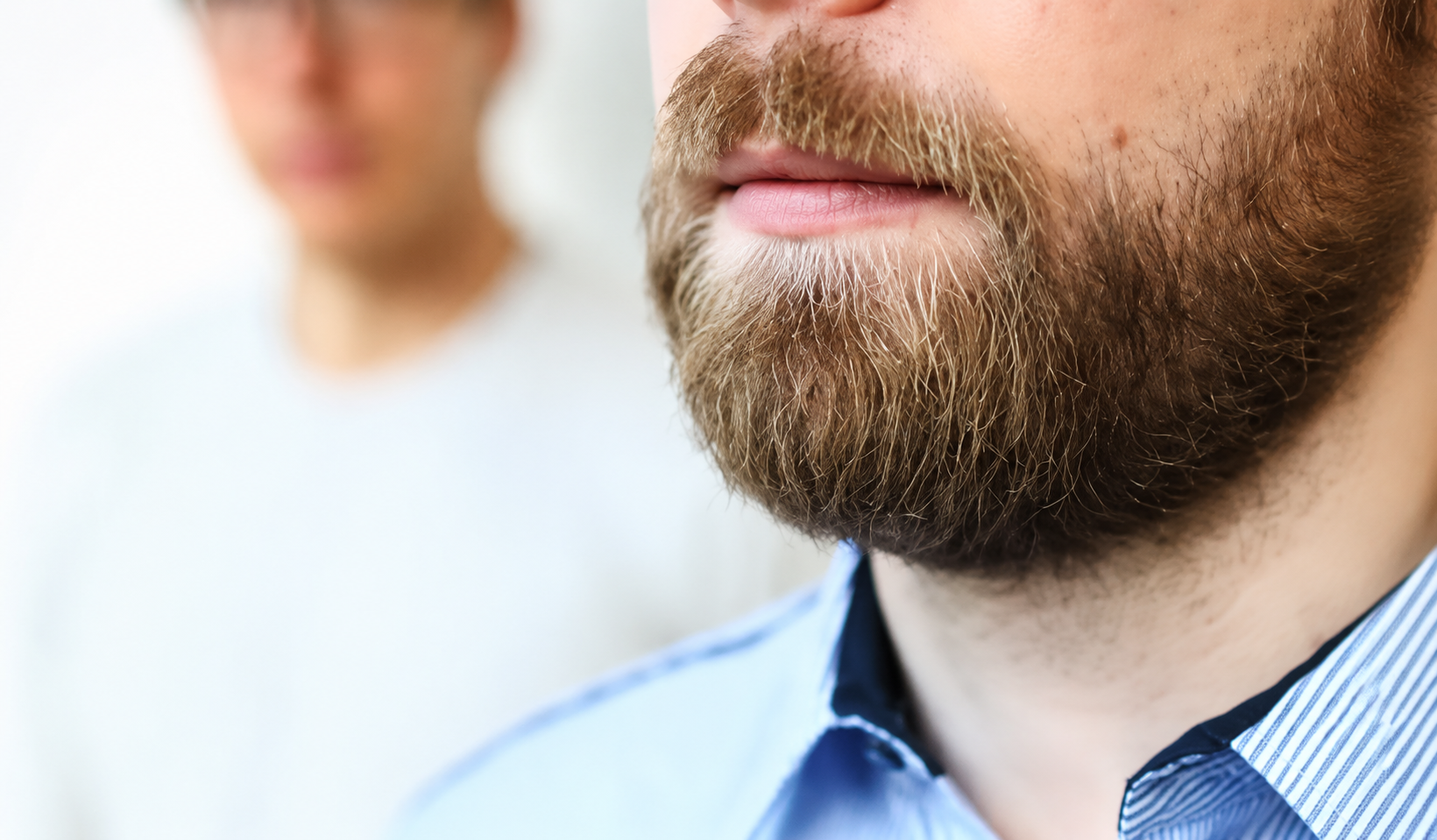
Beard Transplant in Mumbai
A well-defined beard has become an important aspect of male facial aesthetics. A full and evenly distributed beard can enhance facial features, improve confidence, and create a more masculine appearance. However, many men struggle with patchy beard growth, uneven density, scars, or an inability to grow facial hair due to genetics, hormonal factors, or previous injuries.
A beard transplant is a permanent solution that helps restore facial hair by transplanting healthy hair follicles into areas with sparse or absent beard growth. Modern beard transplantation techniques provide natural-looking and long-lasting results that blend seamlessly with existing facial hair.
Dr. Vinay Jacob offers customized beard transplant procedures designed to restore beard density, improve facial harmony, and help patients achieve their desired appearance.
What Is a Beard Transplant?
A beard transplant is a cosmetic procedure that involves harvesting healthy hair follicles from a donor area, typically the back or sides of the scalp, and transplanting them into the beard region.
The transplanted follicles continue to grow naturally and can be shaved, trimmed, and styled just like natural facial hair. The procedure is carefully planned to ensure proper hair direction, angle, and density for a realistic and natural appearance.
A beard transplant can be used to:
- Fill patchy beard areas
- Increase beard density
- Create a fuller beard
- Restore facial hair lost due to scars
- Enhance moustache growth
- Improve beard symmetry
Why Do Some Men Have Patchy Beards?
Several factors can contribute to poor beard growth.
Genetics
Genetics is the most common reason for sparse or uneven beard development.
Hormonal Factors
Testosterone and dihydrotestosterone (DHT) influence facial hair growth.
Scarring
Burns, injuries, acne scars, and surgical scars can prevent hair growth in affected areas.
Medical Conditions
Certain conditions such as alopecia areata may cause patchy facial hair loss.
Previous Hair Removal Treatments
Some cosmetic procedures may reduce facial hair growth permanently.
Who Is an Ideal Candidate for a Beard Transplant?
You may be a suitable candidate if you:
- Have patchy beard growth
- Have sparse facial hair
- Desire a fuller beard
- Have beard hair loss due to scars
- Have adequate donor hair available
- Are in good general health
- Have realistic expectations
A consultation helps determine whether beard transplantation is the best solution for your facial hair concerns.
Benefits of Beard Transplant
A beard transplant offers numerous advantages:
The transplanted follicles continue to grow naturally, allowing complete flexibility in beard grooming.
Beard Transplant Procedure
Initial Consultation
The process begins with a detailed assessment of facial hair growth patterns, donor hair availability, and treatment goals.
Beard Design
A customized beard design is created according to facial structure and personal preferences.
Donor Hair Extraction
Healthy hair follicles are harvested from the donor area using advanced transplantation techniques.
Recipient Site Creation
Tiny channels are created in the beard region while carefully considering hair angle and growth direction.
Graft Placement
Individual follicles are implanted strategically to achieve natural density and beard contours.
Post-Procedure Care
Patients receive detailed instructions regarding cleaning, healing, and recovery.
FUE Beard Transplant Technique
Follicular Unit Extraction (FUE) is the most commonly used technique for beard transplantation.
FUE allows surgeons to carefully place each graft to mimic natural beard growth patterns.
Benefits of FUE
Areas That Can Be Treated
Full Beard
Improve overall beard density and coverage.
Cheeks
Fill sparse cheek areas.
Jawline
Create a stronger and more defined beard outline.
Sideburns
Restore or enhance sideburn growth.
Goatee
Improve density and shape.
Moustache
Increase fullness and definition.
Recovery After Beard Transplant
Recovery is generally straightforward.
- Mild redness and swelling may occur
- Tiny crusts form around implanted follicles
Healing progresses significantly
Most visible signs begin to subside
Temporary shedding of transplanted hairs may occur
New facial hair growth becomes visible
Significant improvement in density
Final results are achieved
Patients can usually resume daily activities within a few days.
Beard Transplant Results Timeline
Transplanted hairs may shed temporarily.
New growth begins to appear.
Beard density noticeably improves.
Hair becomes thicker and more mature.
Final beard growth and density are achieved.
Beard Transplant Cost in Mumbai
The cost of a beard transplant depends on several factors, including:
- Extent of beard enhancement required
- Number of grafts needed
- Existing facial hair density
- Complexity of the procedure
- Surgeon's expertise
- Facility and technology utilized
A personalized consultation allows for an accurate assessment and customized treatment plan.
While cost is an important consideration, achieving natural-looking and long-lasting results should be the primary focus.
Risks and Complications
Beard transplantation is generally safe when performed by a qualified surgeon.
- Temporary swelling
- Mild discomfort
- Infection
- Folliculitis
- Uneven growth
- Minor scarring
- Temporary shedding
Proper surgical technique and aftercare help minimize these risks.
Beard Transplant Before and After Results
A beard transplant can significantly improve facial appearance by creating:
Results are customized according to each patient's facial features and aesthetic preferences.
Why Choose Dr. Vinay Jacob?
Frequently Asked Questions
Is a beard transplant permanent?
Will the beard look natural?
Is the procedure painful?
When can I shave after a beard transplant?
How long does recovery take?
When will I see the final results?
How many grafts will I need?
If you are looking to enhance beard density, fill patchy areas, or achieve a fuller and more defined beard, a beard transplant may be the ideal solution. Schedule a consultation with Dr. Vinay Jacob to discuss your goals and explore personalized beard restoration options.
Book Consultation