

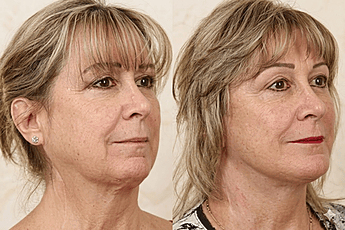
Head & Neck Reconstruction Surgery in Mumbai
The head and neck region contains some of the most complex and visible structures of the body. Trauma, cancer treatment, burns, congenital abnormalities, infections, and previous surgeries can result in tissue loss, facial deformities, functional impairment, and aesthetic concerns. These conditions can affect essential functions such as breathing, speaking, eating, facial expressions, and overall quality of life.
Head and neck reconstruction surgery is a specialized field of reconstructive plastic surgery focused on restoring both form and function following injury, disease, or congenital conditions. The goal is not only to rebuild missing or damaged tissues but also to improve appearance, confidence, and day-to-day functionality.
Dr. Vinay Jacob offers advanced head and neck reconstruction procedures in Mumbai, providing individualized treatment plans that help patients achieve optimal functional and aesthetic outcomes.
What Is Head & Neck Reconstruction?
Head and neck reconstruction is a specialized surgical discipline that restores tissues, structures, and functions affected by:
- Trauma and accidents
- Cancer surgery
- Burns
- Congenital deformities
- Facial nerve injuries
- Infections
- Previous surgical complications
The reconstruction may involve:
- Skin repair
- Soft tissue reconstruction
- Bone reconstruction
- Cartilage reconstruction
- Nerve repair
- Functional restoration
Every reconstruction is carefully planned to restore both appearance and function as effectively as possible.
Why Is Head & Neck Reconstruction Important?
The face and neck are central to communication, identity, and social interaction. Damage to these structures can significantly affect both physical function and emotional well-being.
Restore facial appearance
Reconstructive surgery aims to restore facial appearance.
Improve breathing
Reconstructive surgery aims to improve breathing.
Improve speech
Reconstructive surgery aims to improve speech.
Restore swallowing function
Reconstructive surgery aims to restore swallowing function.
Protect vital structures
Reconstructive surgery aims to protect vital structures.
Improve facial symmetry
Reconstructive surgery aims to improve facial symmetry.
Enhance confidence and quality of life
Reconstructive surgery aims to enhance confidence and quality of life.
Conditions Treated with Head & Neck Reconstruction
Facial Trauma
Accidents and injuries can cause damage to facial bones, soft tissues, nose, lips, eyelids, ears, and jaw structures. Reconstructive surgery helps restore normal anatomy and facial harmony.
Skin Cancer Defects
Removal of skin cancers may leave defects requiring reconstruction to restore both function and appearance.
Head & Neck Cancer Reconstruction
Patients undergoing treatment for oral, facial, throat, or neck cancers often require reconstructive surgery following tumor removal.
Congenital Deformities
Some individuals are born with structural abnormalities that affect facial development and function.
Burn Injuries
Burns can result in tissue loss, scarring, and contractures that require reconstructive procedures.
Facial Nerve Injuries
Damage to facial nerves can affect facial movement and expressions, requiring specialized reconstructive techniques.
Areas Commonly Reconstructed
Nose
Restoration of nasal shape, structure, and breathing function.
Ears
Correction of congenital defects, trauma, or tissue loss.
Eyelids
Reconstruction to protect the eyes and restore normal appearance.
Lips
Restoration of speech, eating function, and facial aesthetics.
Cheeks
Soft tissue reconstruction following trauma or tumor removal.
Forehead
Repair of defects caused by injury or surgery.
Jaw and Chin
Reconstruction of facial support structures and facial balance.
Neck
Correction of tissue loss, scarring, and functional impairment.
Goals of Head & Neck Reconstruction
Every reconstruction is designed to achieve multiple objectives.
Functional Restoration
The primary goal is to restore essential functions such as breathing, eating, speaking, facial movement, and eye protection.
Aesthetic Improvement
Reconstruction aims to achieve natural facial contours and symmetry.
Tissue Preservation
Healthy tissue is preserved whenever possible to support optimal healing.
Long-Term Stability
Procedures are planned to provide durable and lasting outcomes.
Reconstructive Techniques Used
Local Tissue Reconstruction
Nearby tissues are repositioned to repair defects.
Skin Grafting
Healthy skin is transferred to cover wounds or tissue defects.
Flap Reconstruction
Tissue with its own blood supply is moved from one area to another.
Cartilage Reconstruction
Cartilage may be used to rebuild structures such as the nose or ear.
Bone Reconstruction
Bone grafts may be required for facial skeletal restoration.
Microsurgical Reconstruction
Advanced techniques may be used to transfer tissue from distant areas of the body while reconnecting blood vessels.
The Head & Neck Reconstruction Process
Initial Consultation
A detailed assessment is performed to evaluate the defect, injury, or condition.
Diagnostic Evaluation
Imaging studies and examinations help determine the extent of reconstruction required.
Surgical Planning
A personalized treatment plan is developed based on functional and aesthetic goals.
Reconstruction Procedure
The chosen reconstructive techniques are used to restore tissues and structures.
Recovery and Rehabilitation
Post-operative care and rehabilitation help optimize healing and long-term results.
Recovery After Head & Neck Reconstruction
Recovery depends on the complexity of the procedure.
Swelling, bruising, and temporary discomfort.
Gradual improvement in appearance, restoration of function, and scar maturation.
Continued tissue healing, improvement in symmetry, and functional adaptation.
Some patients may require staged procedures to achieve optimal outcomes.
Benefits of Head & Neck Reconstruction
Reconstructive surgery can provide:
The impact often extends beyond physical recovery to emotional and social well-being.
Head & Neck Reconstruction Cost in Mumbai
The cost of head and neck reconstruction varies depending on:
- Type of condition being treated
- Complexity of reconstruction
- Number of procedures required
- Hospital and facility charges
- Need for grafts or flap reconstruction
- Surgeon's expertise
A consultation allows for a detailed evaluation and personalized treatment plan.
Why Choose Dr. Vinay Jacob for Head & Neck Reconstruction in Mumbai?
Dr. Vinay Jacob offers comprehensive reconstructive solutions focused on restoring both function and appearance.
Each reconstruction is tailored to the patient's unique anatomy, condition, and goals.
Frequently Asked Questions
What is head and neck reconstruction?
Is reconstruction only cosmetic?
Can reconstruction restore normal appearance?
Will multiple surgeries be required?
How long is recovery?
Can reconstruction improve facial function?
Head & Neck Reconstruction Services
We offer specialized reconstructive procedures including:
- Facial Trauma Reconstruction
- Scar Revision Surgery
- Skin Cancer Reconstruction
- Nasal Reconstruction
- Ear Reconstruction
- Eyelid Reconstruction
- Lip Reconstruction
- Burn Reconstruction
- Facial Nerve Reconstruction
- Head & Neck Tumor Reconstruction
- Jaw Reconstruction
- Forehead Reconstruction
Schedule Your Consultation
If you require reconstruction following trauma, cancer treatment, burns, congenital abnormalities, or other conditions affecting the head and neck, schedule a consultation with Dr. Vinay Jacob. A personalized treatment plan can help restore both function and appearance while improving quality of life.
Schedule Your Consultation