


Can Diabetic Foot Ulcers Be Treated Without Amputation?
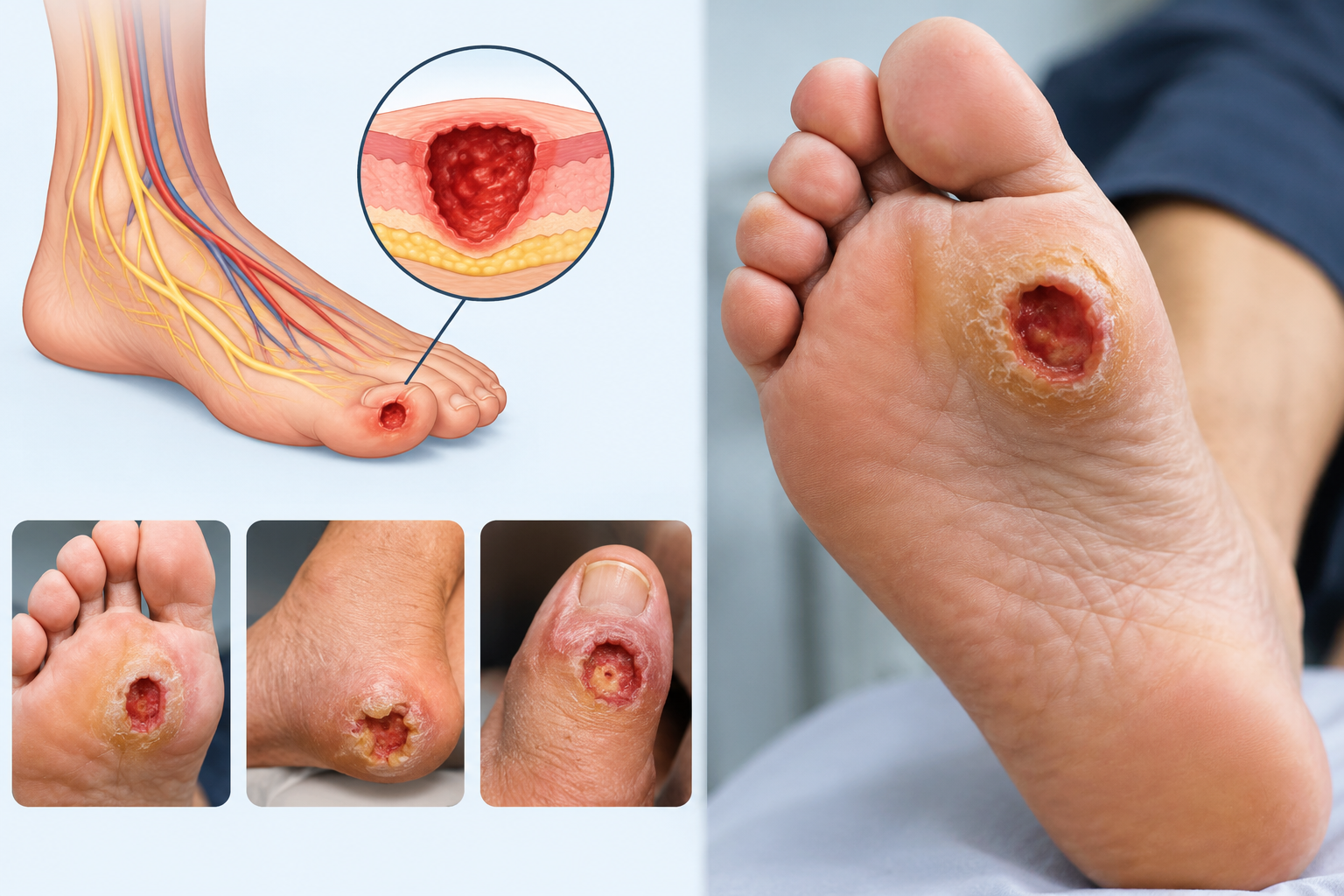
A diabetic foot ulcer is an open wound that develops on the foot of someone living with diabetes. It commonly appears on the sole, heel, toes, or areas exposed to repeated pressure. Although some ulcers begin as small cuts, blisters, or calluses, they can become serious when healing is delayed or infection develops.
One of the biggest concerns for people with diabetes is whether a foot ulcer will eventually require amputation. The reassuring news is that many diabetic foot ulcers can be treated without amputation, particularly when they are identified early and managed with appropriate wound care, pressure relief, infection control, and assessment of blood circulation.
However, not every ulcer is the same. The risk of complications depends on the wound's depth, the presence of infection, blood supply to the foot, nerve damage, and the person's overall health.
For individuals seeking Diabetic Feet Treatment in Mumbai or Foot Ulcers Treatment in Mumbai, understanding the available treatment options can help them seek timely care and make informed decisions about protecting their feet.
What Is a Diabetic Foot Ulcer?
A diabetic foot ulcer is a break in the skin that fails to heal normally and may extend into deeper tissues.
It often develops because diabetes affects the nerves and blood vessels supplying the feet.
Two important complications contribute to ulcer formation:
- Diabetic neuropathy: Nerve damage that reduces the ability to feel pain, pressure, or injuries.
- Peripheral artery disease: Narrowing of the arteries that reduces blood flow to the feet.
When a person cannot feel a blister or minor injury, they may continue walking on the affected area. Repeated pressure can damage the skin and create an open wound.
Poor circulation and elevated blood glucose can further interfere with healing, increasing the risk of infection and tissue damage.
Can Diabetic Foot Ulcers Heal Without Amputation?
Yes. Many diabetic foot ulcers can heal without amputation when appropriate treatment begins early.
Treatment aims to address the underlying causes of the wound, not just cover the damaged skin.
Depending on the ulcer, care may include:
- Professional wound cleaning and dressing
- Pressure relief and offloading
- Treatment of infection
- Assessment and improvement of blood circulation
- Removal of unhealthy tissue when appropriate
- Blood glucose management
- Regular monitoring by a healthcare professional
Some ulcers heal with non-surgical treatment, while others require procedures to remove damaged tissue or restore blood flow.
Amputation is not inevitable simply because a person has a diabetic foot ulcer. The decision depends on the severity of the condition, whether the infection can be controlled, and whether the affected tissue can be preserved safely.
Why Do Diabetic Foot Ulcers Become Serious?
A small wound can become a major concern when several diabetes-related complications occur together.
1. Nerve Damage Can Hide Injuries
Diabetic neuropathy may reduce sensation in the feet. A person might not notice a blister, cut, or pressure injury until the skin breaks down.
Because the wound may not be painful, normal walking can continue to put pressure on the affected area.
2. Poor Circulation Slows Healing
Blood delivers oxygen, nutrients, and immune cells needed for tissue repair.
When circulation is reduced, the wound may struggle to heal. Severe blood flow problems can increase the risk of tissue death and make infection more difficult to control.
3. Infection Can Spread
Bacteria can enter through broken skin and infect the surrounding tissue.
An untreated infection may spread into deeper tissues or the bone. In severe cases, it can threaten the affected foot and a person's overall health.
4. Repeated Pressure Can Enlarge the Wound
Walking on an ulcer without appropriate pressure relief can prevent healing.
The wound may become deeper or wider, particularly when it develops beneath a callus or on a prominent area of the foot.
These factors explain why early professional treatment is important, even when an ulcer initially appears small.
Treatment Options for Diabetic Foot Ulcers Without Amputation
The most suitable treatment depends on the ulcer's size, depth, infection status, blood supply, and the patient's overall health.
1. Professional Wound Care and Dressings
Appropriate wound care helps protect the ulcer, manage moisture, and support tissue healing.
A healthcare professional may clean the wound and select dressings based on its condition and the amount of fluid it produces.
Treatment may also involve protecting the surrounding skin and monitoring the wound for changes.
Changing a dressing is only one part of treatment. The underlying causes, such as pressure, infection, or poor circulation, must also be addressed.
2. Offloading Pressure From the Foot
Offloading means reducing pressure on the area where the ulcer has developed.
This is one of the most important elements of treatment for many diabetic foot ulcers, particularly those caused by repeated pressure.
Depending on the ulcer's location and severity, offloading options may include:
- A specially fitted cast
- A removable walking boot
- Therapeutic footwear
- Custom insoles
- Other pressure-relieving devices
The appropriate option depends on the wound, circulation, infection status, and the person's mobility.
A clinician should guide the choice of device. Some ulcers require strict restrictions on weight-bearing, while others can be managed with suitable protective footwear.
3. Treating Infection
If a diabetic foot ulcer becomes infected, treatment may include antibiotics.
The choice of antibiotic depends on the severity of the infection and the clinical assessment. Severe infections may require hospital treatment and intravenous medication.
In some cases, a wound or tissue sample may help identify the bacteria responsible.
It is important to understand that antibiotics are not routinely required for every ulcer. They treat infection rather than the wound itself, and they cannot correct inadequate blood flow or remove dead tissue.
Do not use leftover antibiotics or delay medical evaluation while trying home remedies.
4. Debridement: Removing Damaged Tissue
Debridement is a procedure in which unhealthy, dead, or infected tissue is removed when clinically appropriate.
This can help the healthcare team assess the wound more clearly and support wound management.
The technique and timing depend on the wound's condition. In particular, when severe arterial disease is suspected, the treatment team must carefully assess blood supply before deciding on the appropriate approach.
Debridement does not mean that amputation is necessary. It can be part of a limb-preserving treatment plan.
5. Improving Blood Circulation
When poor blood flow is contributing to a non-healing ulcer, a vascular assessment may be necessary.
Depending on the findings, a specialist may recommend procedures to improve blood supply.
These may include:
- Angioplasty: A catheter-based procedure to widen a narrowed artery.
- Stenting: Placement of a small tube to help keep an artery open when appropriate.
- Bypass surgery: Creating an alternative route for blood to reach the affected area.
Not every patient needs a vascular procedure. The decision depends on the location and severity of the blockage, the condition of the foot, and the person's overall health.
Improving circulation can be an important part of helping a wound heal and reducing the risk of further tissue damage.
6. Managing Blood Glucose
Blood glucose management supports overall health and is an important part of ulcer care.
Persistently elevated glucose can interfere with immune function and normal tissue repair.
The treating team may review diabetes medication, monitoring routines, nutrition, and other aspects of diabetes management.
Good glucose control alone will not heal every ulcer, but it supports the broader treatment plan.
7. Advanced Wound Care When Needed
Some ulcers require additional wound-management techniques when standard care is insufficient.
Depending on the circumstances, the treating team may consider specialized dressings, negative-pressure wound therapy, or selected advanced wound treatments.
These approaches are not suitable for every ulcer. Their use depends on factors such as wound characteristics, infection control, circulation, and the overall treatment goals.
The priority remains correcting the factors that prevent healing.
When Is Amputation Necessary?
Although many ulcers can be treated without amputation, some situations require surgical removal of affected tissue to protect the person's health.
Amputation may be considered when:
- Infection cannot be controlled with appropriate treatment.
- Extensive tissue death or gangrene has developed.
- Severe circulation problems prevent the affected tissue from surviving.
- Bone or deeper tissue infection is extensive.
- The affected foot cannot be preserved safely.
- A limb-threatening infection requires urgent surgical intervention.
The extent of surgery depends on how much tissue is affected. In selected cases, treatment may involve removing only a small area of damaged tissue or an affected toe rather than a larger portion of the foot or leg.
The medical team should assess whether the wound can be managed safely through other treatment options. If amputation is recommended, ask the treating team to explain the reason, alternatives, urgency, and likely outcomes.
In a medical emergency, however, delaying necessary treatment to seek repeated opinions can be dangerous.
Warning Signs That Require Immediate Medical Attention
A diabetic foot ulcer should never be ignored, particularly when its appearance changes or it fails to improve.
Seek prompt medical assessment if you notice:
- Increasing redness or swelling
- Warmth around the wound
- Pus or abnormal discharge
- An unpleasant smell
- A wound that is becoming larger or deeper
- New or increasing pain
- Changes in skin colour
- Exposed deeper tissue or bone
Seek emergency care if there is rapidly spreading redness, blackened tissue, severe swelling, fever, chills, confusion, or marked weakness.
People with diabetes may have reduced pain sensation, so a serious wound can exist even without significant discomfort.
How Long Does a Diabetic Foot Ulcer Take to Heal?
Healing time varies considerably.
A superficial ulcer with good blood circulation and no infection may heal within several weeks with appropriate care. Deeper ulcers, infected wounds, and ulcers associated with poor circulation may take months or longer.
Factors that influence healing include:
- Wound size and depth
- Blood supply
- Infection
- Pressure on the affected area
- Blood glucose management
- Nutrition and overall health
- Consistency with wound care and offloading
If an ulcer is not improving as expected, the treatment plan may need to be reassessed. This may include checking for infection, bone involvement, inadequate blood flow, or continued pressure.
How Can You Prevent Diabetic Foot Ulcers From Getting Worse?
Prevention and early intervention are essential for reducing the risk of complications.
Check Your Feet Every Day
Inspect the soles, heels, toes, and spaces between the toes for cuts, blisters, redness, swelling, or skin breakdown.
Use a mirror or ask someone to help if you cannot see your feet clearly.
Avoid Walking Barefoot
Wear properly fitted footwear to protect your feet from injuries and repeated pressure.
If you have neuropathy or a previous ulcer, your clinician may recommend therapeutic footwear or custom insoles.
Do Not Cut Calluses or Corns Yourself
Cutting thickened skin or using harsh chemical treatments can damage the skin and create a wound.
Seek professional advice about safe management.
Keep Your Feet Clean and Dry
Wash your feet regularly and dry them carefully, especially between the toes.
Avoid applying moisturiser between the toes if it causes persistent moisture buildup.
Follow Your Treatment Plan
If you already have an ulcer, follow the wound-care and offloading instructions provided by your healthcare team.
Do not continue normal walking on an ulcer if your clinician has advised you to restrict weight-bearing.
Attend Regular Foot Assessments
People with diabetes-related nerve damage, poor circulation, previous ulcers, or foot deformities may need more frequent professional assessments.
Regular monitoring can help identify problems before they become more severe.
Why Specialist Assessment Matters
A diabetic foot ulcer is not simply a skin wound. Successful treatment often requires an assessment of the entire foot, including sensation, circulation, infection, pressure points, and possible bone involvement.
A coordinated treatment approach can help identify problems early and determine whether the ulcer can be managed with wound care, offloading, medication, vascular procedures, or other interventions.
For patients seeking Foot Ulcers Treatment in Mumbai, the appropriate treatment plan should be based on the ulcer's severity and the underlying factors affecting healing.
Early specialist care is especially important for people with recurring ulcers, non-healing wounds, suspected infection, or signs of reduced blood circulation.
Frequently Asked Questions
- 1. Can a diabetic foot ulcer heal completely without surgery?
Yes. Many ulcers heal with appropriate wound care, pressure relief, infection management when needed, and good blood circulation. However, some wounds require surgical procedures or vascular treatment to heal safely. - 2. Does every diabetic foot ulcer lead to amputation?
No. Amputation is not inevitable. Early diagnosis and appropriate treatment can help many patients preserve their feet. The risk depends on factors such as infection, circulation, wound depth, and tissue damage. - 3. Can antibiotics heal a diabetic foot ulcer?
Antibiotics can treat a bacterial infection when one is present, but they do not replace wound care, pressure relief, or treatment for poor circulation. An ulcer without clinical evidence of infection does not automatically require antibiotics. - 4. What happens if a diabetic foot ulcer is left untreated?
An untreated ulcer may become deeper, develop an infection, or involve underlying bone. Severe cases can lead to gangrene, systemic infection, and a greater risk of amputation. - 5. Can poor circulation prevent a diabetic foot ulcer from healing?
Yes. Reduced blood flow limits the oxygen and nutrients needed for tissue repair. Some patients need vascular assessment and treatment to improve circulation before the wound can heal adequately. - 6. Is a painless diabetic foot ulcer dangerous?
Yes. Diabetic neuropathy can reduce pain sensation, meaning a wound may become serious without causing significant discomfort. Any new or worsening foot ulcer should be assessed promptly. - 7. When should I seek diabetic foot treatment in Mumbai?
Seek prompt medical attention if you have a wound that is not healing, is becoming larger, or shows signs of infection. Blackened tissue, rapidly spreading redness, or symptoms of serious illness require emergency assessment.
Looking for Diabetic Feet Treatment in Mumbai?
A diabetic foot ulcer does not automatically mean that amputation will be necessary. Many wounds can be treated successfully when the underlying causes are identified and managed early.
If you are seeking Diabetic Feet Treatment in Mumbai or Foot Ulcers Treatment in Mumbai, arrange a medical assessment to determine the severity of the wound and the most appropriate treatment approach.
The treatment plan may include professional wound care, pressure relief, infection management, circulation assessment, and other interventions depending on the condition of the foot.
Do not wait for a diabetic foot wound to become painful or visibly severe. Early medical care can help reduce complications and improve the chances of preserving the foot.