

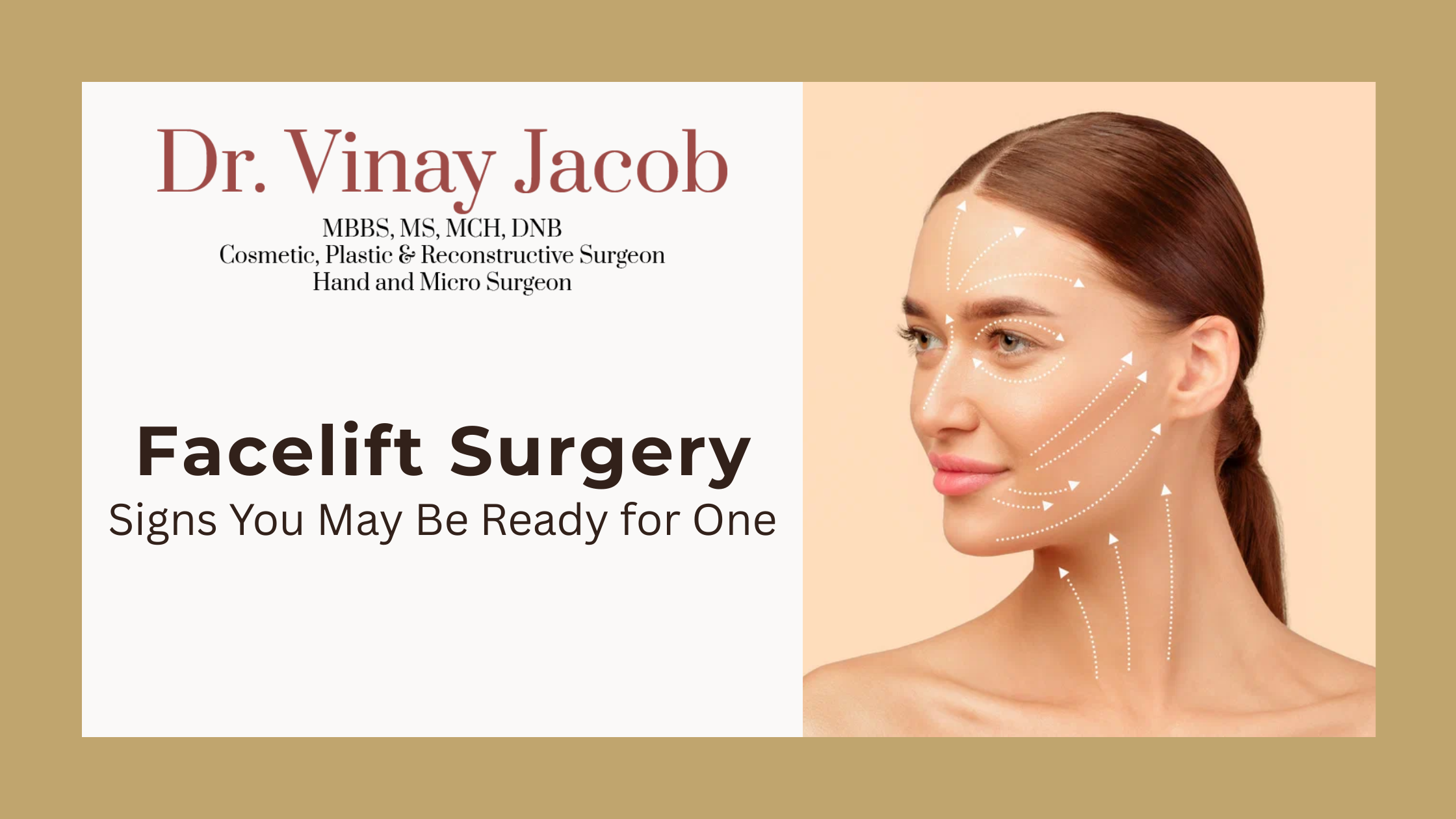
Facelift Surgery in Mumbai: Signs You May Be Ready for One
As we age, our skin gradually loses elasticity, facial fat shifts downward, and collagen production decreases. These natural changes can lead to sagging skin, deep wrinkles, jowls, and a tired appearance that may not reflect how youthful and energetic we feel inside.
While non-surgical treatments can help address early signs of aging, they may not provide sufficient improvement for moderate to advanced facial sagging. In such cases, facelift surgery can offer long-lasting and natural-looking rejuvenation.
What Is Facelift Surgery?
A facelift, medically known as rhytidectomy, is a cosmetic surgical procedure designed to reduce visible signs of aging in the face and neck.
The surgery addresses:
- Sagging cheeks
- Deep facial folds
- Jowls along the jawline
- Loose skin around the neck
- Loss of facial definition
Modern facelift techniques focus on repositioning deeper facial tissues rather than simply tightening the skin, resulting in more natural and youthful outcomes.
Understanding Facial Aging
Facial aging occurs due to several factors:
- Loss of Collagen and Elastin
The skin becomes thinner and less firm over time. - Gravity
Soft tissues gradually descend, causing sagging. - Volume Loss
Facial fat diminishes and shifts downward. - Sun Exposure
UV damage accelerates skin aging. - Lifestyle Factors
Smoking, stress, poor nutrition, and lack of sleep can contribute to premature aging.
These changes become more noticeable during the 40s, 50s, and beyond, although some individuals experience signs earlier due to genetics and environmental factors.
Signs You May Be Ready for a Facelift
- 1. Sagging Skin Along the Jawline
One of the most common reasons patients seek facelift surgery is the development of jowls. If the jawline has lost its sharp definition and loose skin hangs around the lower face, a facelift can help restore a smoother, firmer contour. - 2. Deep Nasolabial Folds
The lines extending from the sides of the nose to the corners of the mouth become more prominent with age. When these folds deepen significantly, non-surgical treatments may offer limited improvement. A facelift can reposition facial tissues and soften these folds naturally. - 3. Loose Skin Around the Neck
Aging often affects the neck as much as the face.
Common concerns include:
• Neck bands
• Loose skin
• Double chin appearance
• Loss of neck definition
A facelift combined with neck rejuvenation can create a more youthful and balanced profile. - 4. You Look Tired Even When You Feel Rested
Many patients report that friends and family frequently ask if they are tired or stressed despite feeling healthy and energetic. Facial sagging and volume loss can create an appearance of fatigue. Facelift surgery helps restore a fresher, more vibrant look. - 5. Non-Surgical Treatments No Longer Deliver Desired Results
Injectables, fillers, and skin tightening procedures can be effective for early aging signs. However, if results are becoming less noticeable, treatments require frequent maintenance, or sagging continues to worsen, a surgical facelift may provide a more comprehensive and longer-lasting solution. - 6. You Have Good Skin Quality but Significant Tissue Descent
Many ideal facelift candidates still have relatively healthy skin but struggle with deeper structural aging. When facial tissues have shifted downward, surgery can reposition these tissues to create natural rejuvenation. - 7. You Want Long-Lasting Results
One of the major advantages of facelift surgery is longevity. While non-surgical treatments often require regular maintenance, facelift results can last for many years, making it an attractive option for suitable candidates. - 8. You Feel Self-Conscious About Your Appearance
Aging is a natural process, but some individuals feel that facial changes no longer reflect their personality or confidence. Facelift surgery can help patients feel more comfortable and confident in their appearance while maintaining a natural look.
Who Is an Ideal Candidate for Facelift Surgery?
You may be a suitable candidate if you:
- Have moderate to significant facial sagging
- Are in good overall health
- Do not smoke or are willing to stop before surgery
- Have realistic expectations
- Want long-term facial rejuvenation
- Have noticeable jowls or neck laxity
A consultation with an experienced plastic surgeon is essential to determine the best treatment plan.
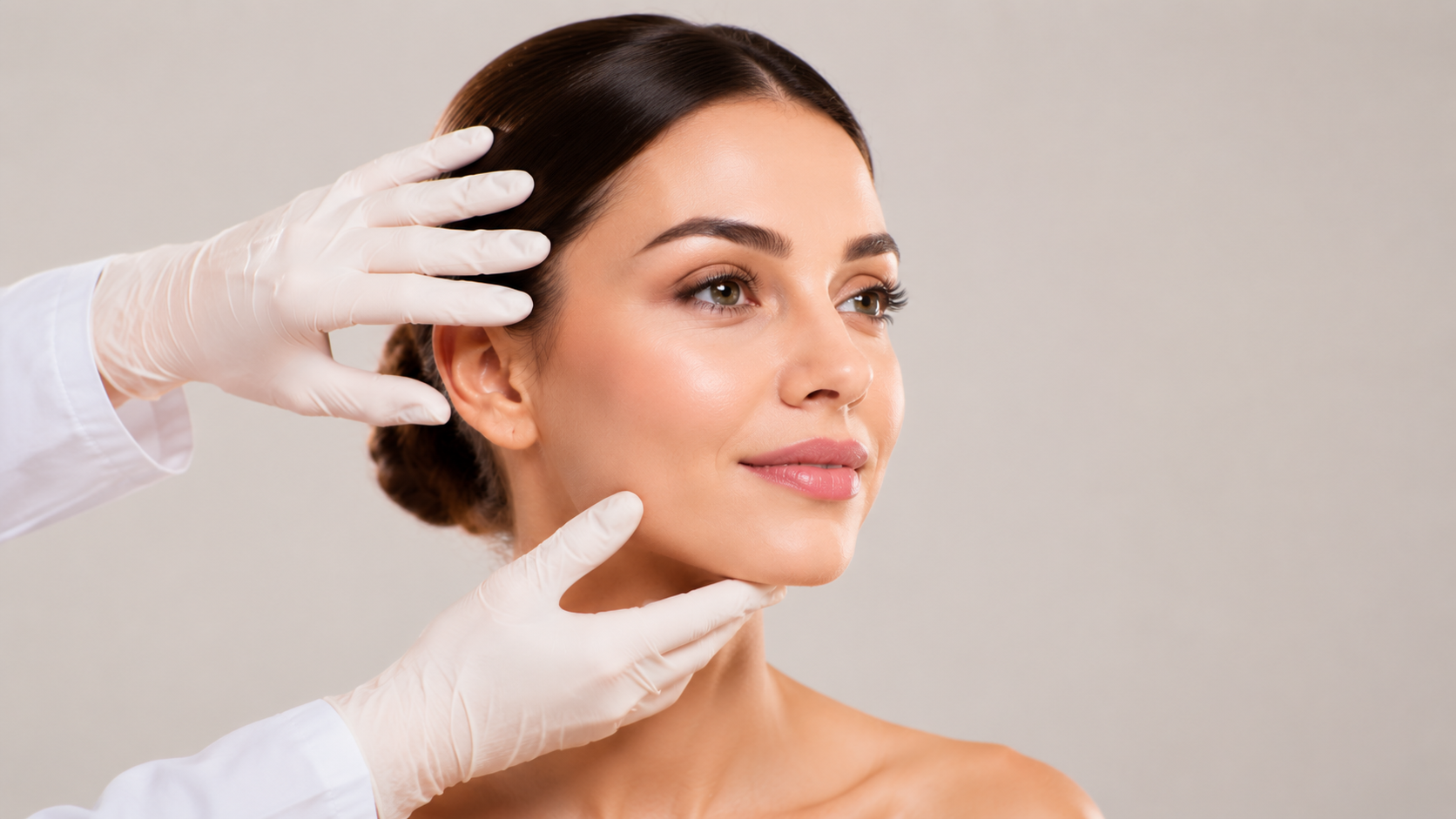
What Happens During Facelift Surgery?
The procedure is typically performed under general anesthesia.
Surgical Steps
- Detailed facial assessment
- Carefully planned incisions
- Repositioning of deeper facial tissues
- Removal of excess skin
- Refinement of facial contours
- Closure of incisions
Depending on individual needs, facelift surgery may be combined with:
- Neck lift
- Eyelid surgery
- Fat grafting
- Brow lift
Recovery After Facelift Surgery
First Week
- Swelling and bruising
- Mild discomfort
- Rest and limited activity
2–3 Weeks
- Significant improvement in swelling
- Return to light social activities
4–6 Weeks
- Continued healing
- More refined appearance
Several Months
- Final results become increasingly visible
- Scars continue to fade
Most patients find the recovery process manageable and are pleased with the gradual improvement in facial appearance.
Benefits of Facelift Surgery
A facelift can provide:
- Firmer facial contours
- Improved jawline definition
- Reduced sagging
- Smoother neck appearance
- Younger-looking facial profile
- Long-lasting results
- Enhanced self-confidence
Modern facelift techniques focus on achieving subtle, natural-looking rejuvenation rather than an over-tightened appearance.
Why Choose Dr. Vinay Jacob for Facelift Surgery in Mumbai?
Dr. Vinay Jacob is a highly experienced plastic, aesthetic, and reconstructive surgeon with over two decades of expertise in facial rejuvenation procedures.
His approach emphasizes:
- Natural-looking outcomes
- Personalized treatment planning
- Advanced surgical techniques
- Comprehensive patient care
- Attention to facial harmony and balance
With extensive experience in cosmetic and reconstructive surgery, Dr. Jacob helps patients achieve refreshed and youthful results while preserving their unique facial characteristics.
Frequently Asked Questions
- What is the best age for a facelift?
There is no specific age. Most patients seek facelift surgery between their 40s and 60s, depending on facial aging patterns. - How long do facelift results last?
Results can last many years, although the natural aging process continues. - Will my facelift look natural?
Modern facelift techniques are designed to create natural rejuvenation without an overly tight or artificial appearance. - Is facelift surgery painful?
Most patients experience mild to moderate discomfort that is well controlled with prescribed medications. - Can a facelift be combined with other procedures?
Yes. Many patients combine facelift surgery with neck lift, eyelid surgery, or fat grafting for comprehensive facial rejuvenation.
Final Thoughts
If you are considering facelift surgery in Mumbai, a consultation with an experienced plastic surgeon can help determine the most appropriate treatment plan for your goals and facial anatomy. With the right approach, facelift surgery can help you look refreshed, youthful, and naturally rejuvenated for years to come.