


How Is a Dimple Created Surgically? A Step-by-Step Guide
Dimples are small natural indentations that appear on the cheeks, particularly when a person smiles. While some people are naturally born with dimples, others choose to create them surgically for a more defined or distinctive facial appearance. Dimple creation surgery, also known as dimpleplasty, is a minimally invasive cosmetic procedure designed to create a controlled indentation in the cheek.
For people considering Dimple Creation in Mumbai, understanding how the procedure is performed can help set realistic expectations about the surgery, healing process, and final appearance.
The procedure is generally performed through a small incision inside the mouth, without an external facial scar. However, the exact technique, dimple position, depth, and appearance depend on individual facial anatomy and the surgeon's approach.
What Is Dimple Creation Surgery?
Dimple creation surgery is a cosmetic procedure used to create an artificial cheek dimple.
Natural dimples are usually associated with variations in the underlying cheek muscle and connective tissue. During dimpleplasty, the surgeon creates a controlled connection between the skin and deeper cheek tissue so that the skin pulls inward at a selected point.
The goal is not simply to make a permanent indentation. A well-planned dimple should complement the person's facial proportions and ideally appear subtle and natural rather than overly deep or artificial.
Who May Consider Dimple Creation?
Dimple creation may be considered by adults who:
- Want a cheek dimple for cosmetic reasons
- Have realistic expectations about the result
- Are generally healthy enough for an elective procedure
- Prefer a subtle change to their facial appearance
- Understand that the appearance can change during healing
The decision should be based on facial anatomy and personal preference rather than trying to copy another person's exact dimple.
How Is a Dimple Created Surgically?
Although techniques can vary, the procedure generally follows several steps.
Step 1: Facial Assessment and Consultation
The process begins with a consultation.
The surgeon evaluates:
- Facial proportions
- Cheek structure
- Skin characteristics
- Existing facial symmetry
- Natural smile pattern
- Preferred dimple location
- Whether one or two dimples would suit the face
This assessment is important because dimple placement can significantly affect the final appearance.
A location that looks attractive on one person's face may not produce the same result on another person's face.
Step 2: Choosing the Dimple Location
One of the most important parts of dimple creation is determining where the indentation should appear.
The preferred location is usually discussed while the patient is both relaxed and smiling. The surgeon may mark the proposed position externally before beginning the procedure.
Factors considered can include:
- Cheek shape
- Smile dynamics
- Facial symmetry
- Distance from the corner of the mouth
- Overall facial proportions
The aim is to create a position that looks appropriate during natural facial expressions.
Step 3: Local Anaesthesia
Dimple creation is commonly performed under local anaesthesia.
The anaesthetic is used to numb the treatment area so that the patient remains comfortable during the procedure.
Because the procedure is performed through the inside of the cheek, the surgeon can work on the underlying tissue without creating a visible external incision.
Step 4: Small Incision Inside the Cheek
Once the area is numb, a small incision is made inside the cheek.
The exact size and position of the incision depend on the surgical technique and individual anatomy.
Because the incision is inside the mouth, there is generally no visible external surgical scar on the cheek.
Step 5: Creating the Internal Connection
The surgeon carefully works through the cheek tissue to create the desired connection between the deeper tissue and the skin.
This internal connection is what produces the indentation.
The technique is designed to create controlled traction on the skin so that the selected area appears inward when the face moves.
Step 6: Creating the Dimple Effect
The surgeon places an internal suture or uses an appropriate tissue-approximation technique to connect the deeper cheek tissue to the underside of the skin.
When the person smiles, the underlying tissue pulls on the skin at the selected point, producing the dimple effect.
The exact depth and character of the dimple depend on several factors, including the surgical technique, tissue characteristics, and individual healing response.
Step 7: Closing the Internal Incision
The small incision inside the cheek is closed using appropriate sutures.
These are generally placed inside the mouth, so there is no external incision that needs to be hidden with makeup or clothing.
The surgeon will provide instructions regarding oral hygiene and eating during the early healing period.
How Long Does Dimple Creation Surgery Take?
Dimple creation is generally a relatively short procedure, although the exact duration varies depending on whether one or both cheeks are treated and the technique being used.
The procedure is typically performed as an outpatient treatment, meaning patients can usually return home after the procedure if there are no concerns requiring observation.
Your surgeon can provide a more accurate estimate after evaluating your facial anatomy and treatment plan.
What Does a Newly Created Dimple Look Like?
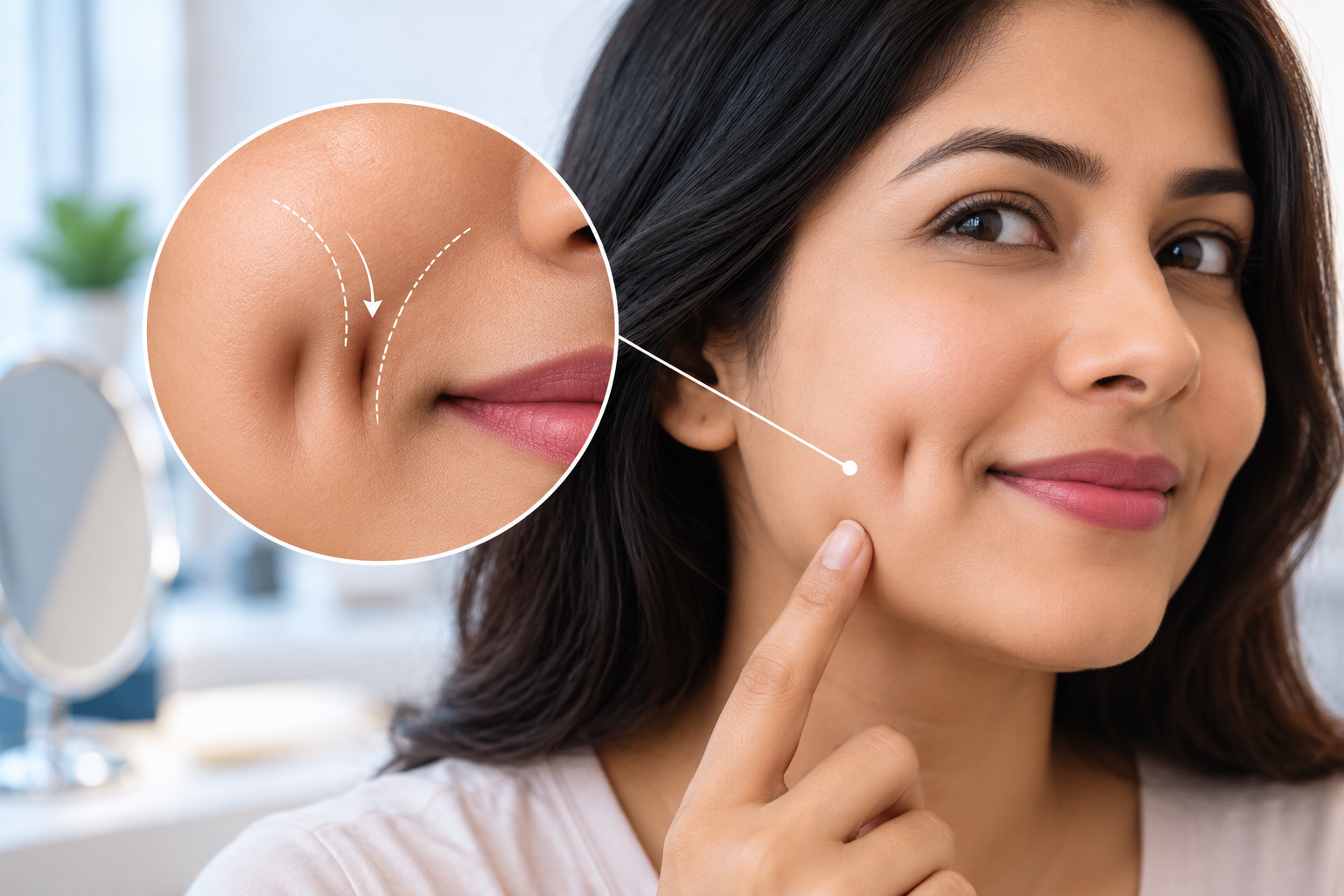
One important thing to understand is that a newly created dimple may not initially look like the final result.
Immediately after surgery, you may notice:
- Swelling
- Bruising
- A deeper indentation
- Tightness in the cheek
- Mild discomfort
The dimple may appear even when the face is relaxed during the early healing period.
As swelling decreases and the tissues heal, the appearance generally changes.
The final appearance can take time to settle.
Dimple Creation Recovery: What to Expect
Recovery is usually relatively quick compared with many other cosmetic procedures, but the healing process still needs appropriate care.
First Few Days
During the first few days, mild swelling and discomfort may occur.
You may be advised to:
- Follow the prescribed oral care instructions
- Maintain good mouth hygiene
- Choose softer foods temporarily
- Avoid irritating the surgical area
- Take prescribed medication as directed
The newly created dimple may appear more prominent than expected during this stage.
First Few Weeks
As healing progresses, swelling generally reduces and the cheek begins to feel more comfortable.
The appearance of the dimple may change during this period.
Some patients notice that the indentation becomes less pronounced when the face is relaxed while remaining visible during smiling.
Later Healing
The tissues continue to mature over time.
The final appearance depends on how the internal tissues heal and how the cheek moves during facial expressions.
Because healing varies between individuals, it is important not to judge the final outcome too early.
Why Does the Dimple Look Deeper Initially?
A common concern after dimpleplasty is that the indentation looks too deep.
This can happen because of:
- Postoperative swelling
- Tissue inflammation
- The newly created internal connection
- Early-stage healing
The appearance often changes as the tissues settle.
Patients should generally follow their surgeon's instructions and allow sufficient healing time before evaluating the final result.
Can You Choose the Depth of the Dimple?
The surgeon can plan the location and intended character of the dimple, but the final depth cannot always be predicted precisely.
Factors such as:
- Skin thickness
- Cheek anatomy
- Soft tissue structure
- Muscle movement
- Surgical technique
- Individual healing
can influence the final result.
The goal should generally be a dimple that complements the face rather than simply creating the deepest possible indentation.
Can You Create One Dimple or Two?
Yes, dimple creation can be performed on one or both cheeks depending on the individual's preference and facial characteristics.
Some people prefer a single dimple for an asymmetrical appearance, while others prefer matching dimples on both sides.
The decision can be discussed during the consultation based on facial proportions and the desired aesthetic effect.
What Makes a Surgically Created Dimple Look Natural?
A natural-looking result depends on more than simply creating an indentation.
Important factors include:
Appropriate Placement
The dimple should be positioned in a way that works with the person's facial proportions and smile.
Controlled Depth
An excessively deep indentation may look less natural, particularly when the face is at rest.
Facial Symmetry
When two dimples are created, achieving appropriate symmetry can be challenging because natural facial anatomy is rarely perfectly symmetrical.
Smile Dynamics
The dimple should interact naturally with facial movement rather than appearing completely static.
Individual Facial Features
A dimple should complement the cheeks, lips, jawline, and overall facial structure.
For these reasons, personalized planning is important.
Are There Risks Associated With Dimple Creation?
Although dimpleplasty is generally considered a minimally invasive procedure, no surgery is completely free of risks.
Potential complications may include:
- Infection
- Bleeding
- Swelling
- Asymmetry
- Changes in dimple depth
- Overly deep or subtle dimpling
- Changes during healing
- Persistent discomfort
- Unfavorable cosmetic appearance
- Need for revision in selected cases
Discussing potential risks and expected outcomes during consultation is important before undergoing surgery.
Is Dimple Creation Permanent?
Dimple creation is intended to produce a long-lasting or permanent change, but the appearance can evolve during healing.
Some patients may notice that the dimple becomes less prominent over time, particularly when the face is relaxed.
The long-term result depends on how the internal tissues heal and remodel.
A surgeon cannot guarantee that the dimple will look exactly the same throughout life.
What Should You Avoid After Dimple Creation?
Your surgeon will provide personalized postoperative instructions, but common precautions may include avoiding activities that could irritate the inside of the cheek during early healing.
You may also be advised to follow specific instructions regarding:
- Oral hygiene
- Diet
- Physical activity
- Touching or manipulating the cheek
- Medication
- Follow-up appointments
Following postoperative instructions carefully can support a smoother recovery.
When Can You Return to Normal Activities?
Because dimple creation is generally less invasive than many facial surgeries, many people can return to routine activities relatively quickly.
However, the exact timeline depends on the extent of the procedure, swelling, discomfort, and individual healing.
If your work involves extensive speaking, physical exertion, or other activities that affect the mouth and face, discuss the expected recovery period with your surgeon.
How to Prepare for Dimple Creation Surgery
Before surgery, discuss your goals clearly with your surgeon.
Useful questions include:
- Where would the dimple be positioned?
- Would one or two dimples suit my face?
- How deep is the intended indentation?
- What technique will be used?
- How long is the expected recovery?
- What changes should I expect during healing?
- What are the possible complications?
- Could the appearance change over time?
- What happens if the result is asymmetric or not as expected?
Clear communication before surgery can help ensure that your expectations are realistic.
FAQs About Dimple Creation Surgery
- Is dimple creation surgery painful?
The procedure is performed with anaesthesia to keep the treatment area numb. Mild discomfort, swelling, or tenderness may occur during the recovery period. - Is there a scar after dimple creation?
The incision is generally made inside the cheek, so there is usually no visible external scar. Internal healing still takes time. - How long does dimple creation take to heal?
Initial healing may occur relatively quickly, but the appearance of the dimple can continue changing as swelling decreases and the tissues mature. - Can dimple creation be performed on both cheeks?
Yes. One or both cheeks can be treated depending on the patient's preference and facial anatomy. - Will the dimple be visible when I am not smiling?
The appearance varies. A newly created dimple may initially be visible even when the face is relaxed, while the appearance can become subtler as healing progresses. - Can dimple creation be reversed?
Dimple creation is intended to be long-lasting, and reversal can be difficult. If you are uncertain about the desired location or appearance, discuss this carefully during your consultation before surgery. - Is dimple creation suitable for everyone?
Not necessarily. A consultation is important to assess your facial anatomy, expectations, overall health, and whether the procedure is appropriate for you.
Considering Dimple Creation in Mumbai?
Dimple creation is a small procedure, but achieving a natural-looking result requires careful attention to facial proportions, dimple placement, depth, symmetry, and individual healing.
If you are considering Dimple Creation in Mumbai, Dr. Vinay Jacob can evaluate your facial structure, discuss your preferred dimple appearance, and help you understand the available surgical approach and expected recovery.
Book a consultation in Mumbai to discuss your dimple creation goals and find out whether the procedure is right for you.