

How to Prepare for Rhinoplasty Surgery
Rhinoplasty is a highly personalized surgical procedure that can change the shape, size, or structure of the nose while, in some cases, improving nasal breathing. Whether you are considering rhinoplasty for cosmetic reasons, functional concerns, or a combination of both, preparation plays an important role in achieving a smooth surgical experience and recovery.
Knowing what to do before surgery can help you feel more confident and make the recovery period easier to manage. From your initial consultation and medical evaluation to preparing your home and planning time away from work, several steps can help you get ready.
If you are considering Rhinoplasty Surgery in Mumbai, here is a practical guide to preparing for the procedure.
What Is Rhinoplasty?
Rhinoplasty is a surgical procedure that reshapes the nose to improve its appearance, function, or both.
Depending on your needs, rhinoplasty may address:
- A prominent nasal hump
- A wide or crooked nose
- A bulbous or drooping nasal tip
- Nasal asymmetry
- Changes caused by previous injury
- Certain structural problems affecting breathing
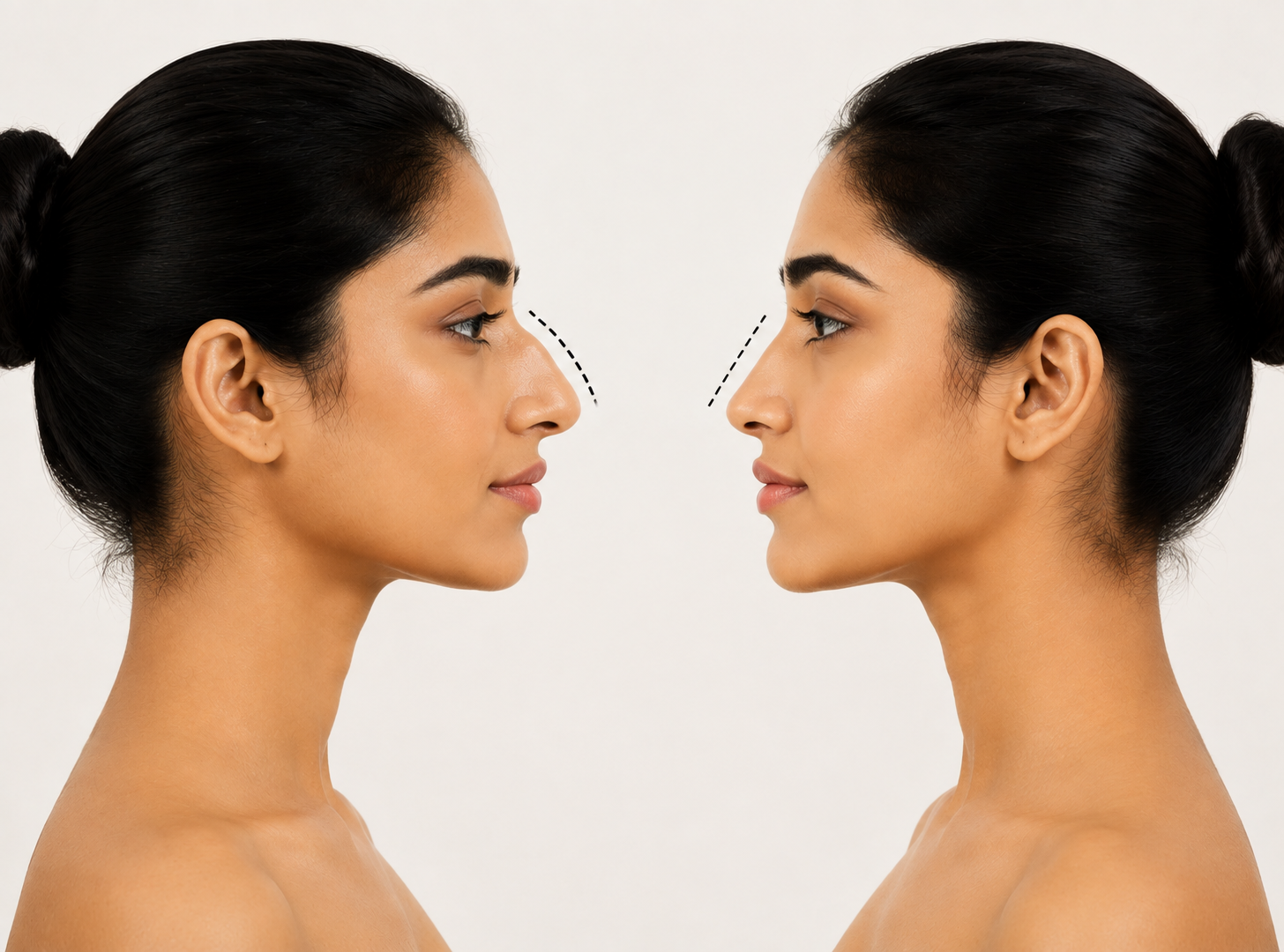
The surgical technique is selected according to your nasal anatomy, facial proportions, and treatment goals.
Start With a Detailed Consultation
The first step in preparing for rhinoplasty is a comprehensive consultation with your plastic surgeon.
During the consultation, your surgeon may assess:
- Nasal structure
- Facial proportions
- Skin thickness
- Nasal airflow
- Previous nasal injuries or surgeries
- Medical history
- Your aesthetic goals
This is also the right time to discuss what you like or dislike about your nose and what kind of result you hope to achieve.
A good surgical plan should be based on realistic expectations rather than trying to copy another person's nose.
Discuss Your Medical History
Your surgeon needs to know about your overall health before surgery.
Tell your surgeon about:
- Existing medical conditions
- Previous surgeries
- Allergies
- Current medications
- Supplements
- Previous reactions to anesthesia
- Smoking or tobacco use
- Any history of bleeding or clotting problems
Do not stop prescribed medication on your own. Your surgeon or anesthesiologist will advise you about whether any medications need to be adjusted before surgery.
Get Any Recommended Medical Tests
Depending on your age, health, and surgical plan, your surgeon may recommend certain pre-operative investigations.
These may include blood tests or other evaluations to make sure you are medically fit for surgery and anesthesia.
Complete these tests within the timeframe recommended by your surgical team.
Avoid Smoking and Tobacco
Smoking can interfere with blood circulation and wound healing.
It may also increase the risk of complications following surgery.
If you smoke or use tobacco products, discuss this honestly with your surgeon. You may be advised to stop before and after surgery for a specific period.
Do not assume that vaping or other nicotine products are harmless during the surgical recovery period.
Review Your Medications and Supplements
Some medications and supplements can affect bleeding or interact with anesthesia.
Make sure your surgical team knows about everything you take, including:
- Prescription medicines
- Over-the-counter medicines
- Herbal supplements
- Vitamins
- Pain relievers
Your surgeon will tell you which medications you should continue and which, if any, need to be stopped or adjusted.
Never discontinue an essential medication without medical advice.
Follow Your Pre-Surgery Instructions
Your surgical team will provide specific instructions before the procedure.
These may include guidance about:
- Eating and drinking before anesthesia
- Medication use
- Bathing
- Skin preparation
- Arrival time
- What to bring to the hospital
If you are unsure about any instruction, ask your surgical team rather than relying on general advice found online.
Maintain a Healthy Diet
Good nutrition supports your body's ability to heal.
In the weeks before surgery, focus on a balanced diet containing:
- Adequate protein
- Fruits and vegetables
- Whole grains
- Healthy fats
- Sufficient fluids
Avoid crash diets or major weight-loss attempts immediately before surgery unless specifically recommended by your doctor.
Avoid Alcohol Before Surgery
Alcohol can interact with certain medications and may affect hydration and overall recovery.
Your surgeon may recommend avoiding alcohol for a period before surgery. Follow the specific instructions provided by your medical team.
Plan Your Time Off Work
Although rhinoplasty is usually an elective procedure, recovery still requires time and patience.
Many patients take approximately one to two weeks away from work or social commitments, depending on their occupation and the extent of surgery.
If your work involves:
- Heavy physical activity
- Frequent bending
- Outdoor exposure
- Risk of accidental impact to the face
you may require additional recovery time.
Plan your leave in advance so you can focus on healing rather than returning to work too soon.
Arrange Someone to Take You Home
If rhinoplasty is performed under anesthesia or sedation, you will generally need someone to accompany you home after surgery.
It is also helpful to have someone available during the initial recovery period, particularly during the first day or two.
Arrange transportation in advance rather than relying on last-minute arrangements.
Prepare Your Home Before Surgery
A little preparation can make the first few days much easier.
Before surgery, consider preparing:
- Comfortable loose clothing
- Extra pillows
- Prescribed medications
- Easy-to-prepare meals
- Drinking water
- Tissues and other basic supplies
- Entertainment for rest periods
Button-up or zip-up clothing can be more convenient than garments that need to be pulled over the head.
Prepare for Sleeping With Your Head Elevated
Swelling is common after rhinoplasty.
Sleeping with your head elevated may help reduce swelling and make you more comfortable during the early recovery period.
You can prepare your sleeping area in advance using several pillows or another arrangement recommended by your surgical team.
Avoid putting pressure on your nose while sleeping.
Understand the Recovery Timeline
Knowing what to expect can make recovery less stressful.
First Week
You may have:
- Nasal congestion
- Swelling
- Bruising around the eyes
- Mild discomfort
- A nasal splint or dressing
Your surgeon will provide specific instructions about keeping the nose protected.
Weeks 2–4
Bruising generally improves, and many patients gradually return to routine activities.
However, the nose remains vulnerable to injury.
Following Months
Swelling continues to decrease and the nasal shape gradually becomes more refined.
Final results may take many months to become fully apparent, particularly after more complex rhinoplasty procedures.
Avoid Planning Important Events Too Soon
One common mistake is scheduling rhinoplasty immediately before an important event.
Although visible bruising often improves within a couple of weeks, swelling can persist much longer.
If you have:
- A wedding
- Important photographs
- A major social event
- A vacation
- A professional engagement
discuss the timing with your surgeon well in advance.
Allow sufficient time for initial swelling and bruising to settle.
Understand Activity Restrictions
Your surgeon will provide specific restrictions after surgery.
You may initially need to avoid:
- Strenuous exercise
- Heavy lifting
- Bending excessively
- Contact sports
- Activities that could result in nasal injury
Gradually returning to activity helps protect the healing tissues.
Do not resume exercise simply because you feel comfortable. Follow your surgeon's clearance.
Protect Your Nose From Sun Exposure
The skin around the nose can be sensitive after surgery.
Protecting your face from excessive sun exposure can help reduce irritation and support scar healing.
Your surgeon may recommend specific sun-protection measures during recovery.
Have Realistic Expectations
Preparation is not only physical—it is also emotional.
Rhinoplasty can create meaningful improvements, but it cannot guarantee perfection.
Your final result depends on factors such as:
- Your existing anatomy
- Skin thickness
- Healing response
- Surgical technique
- Post-operative care
The goal should be a natural-looking result that complements your facial features and, when applicable, supports good nasal function.
Questions to Ask Your Rhinoplasty Surgeon
Before surgery, make sure you understand your treatment plan.
Useful questions include:
- Which rhinoplasty technique is appropriate for me?
- Will the procedure address breathing as well as appearance?
- What type of anesthesia will be used?
- How long should I expect initial swelling to last?
- When can I return to work?
- When can I exercise?
- What are the possible risks and complications?
- What should I do if I develop a concern during recovery?
A detailed discussion before surgery can help you feel prepared and set realistic expectations.
Why Choose Dr. Vinay Jacob for Rhinoplasty Surgery in Mumbai?
Dr. Vinay Jacob is an experienced plastic, aesthetic, and reconstructive surgeon with expertise in facial cosmetic procedures, including rhinoplasty.
His approach focuses on:
- Detailed facial and nasal assessment
- Personalized surgical planning
- Natural-looking results
- Attention to nasal function
- Advanced surgical techniques
- Comprehensive post-operative care
Every rhinoplasty procedure is planned according to the patient's anatomy, concerns, and aesthetic goals rather than following a one-size-fits-all approach.
Frequently Asked Questions
- How many days should I take off work after rhinoplasty?
Many patients take around one to two weeks away from work, although the appropriate recovery period depends on the type of work and individual healing. - Can I exercise before rhinoplasty?
Light physical activity may be appropriate before surgery, but your surgeon may provide specific restrictions closer to the procedure. Avoid activities that could result in injury to your nose. - Can I eat normally before rhinoplasty?
You will receive specific instructions about eating and drinking before surgery, particularly if general anesthesia is planned. Follow the instructions provided by your surgical and anesthesia team. - Should I stop taking my regular medicines?
Not necessarily. Some medications may need adjustment, while others should be continued. Provide your complete medication list to your surgeon and follow their instructions. - How long does it take for rhinoplasty swelling to disappear?
Initial swelling and bruising generally improve within the first few weeks, but subtle swelling—particularly around the nasal tip—can continue to resolve for several months. - When should I schedule rhinoplasty before an important event?
Ideally, allow enough time for initial bruising and swelling to settle. Your surgeon can advise you on appropriate timing based on the extent of your planned procedure.
Planning Rhinoplasty Surgery?
If you're considering changing the shape of your nose, improving facial balance, or addressing certain nasal breathing concerns, proper evaluation and surgical planning are essential for achieving natural-looking results.
If you're looking for Rhinoplasty Surgery in Mumbai, consult Dr. Vinay Jacob to discuss your concerns, expectations, and treatment options. A personalized assessment can help determine the most suitable approach for your nose and guide you through preparation, recovery, and aftercare.
Book a consultation today and take the first step toward a more balanced and natural-looking result.