

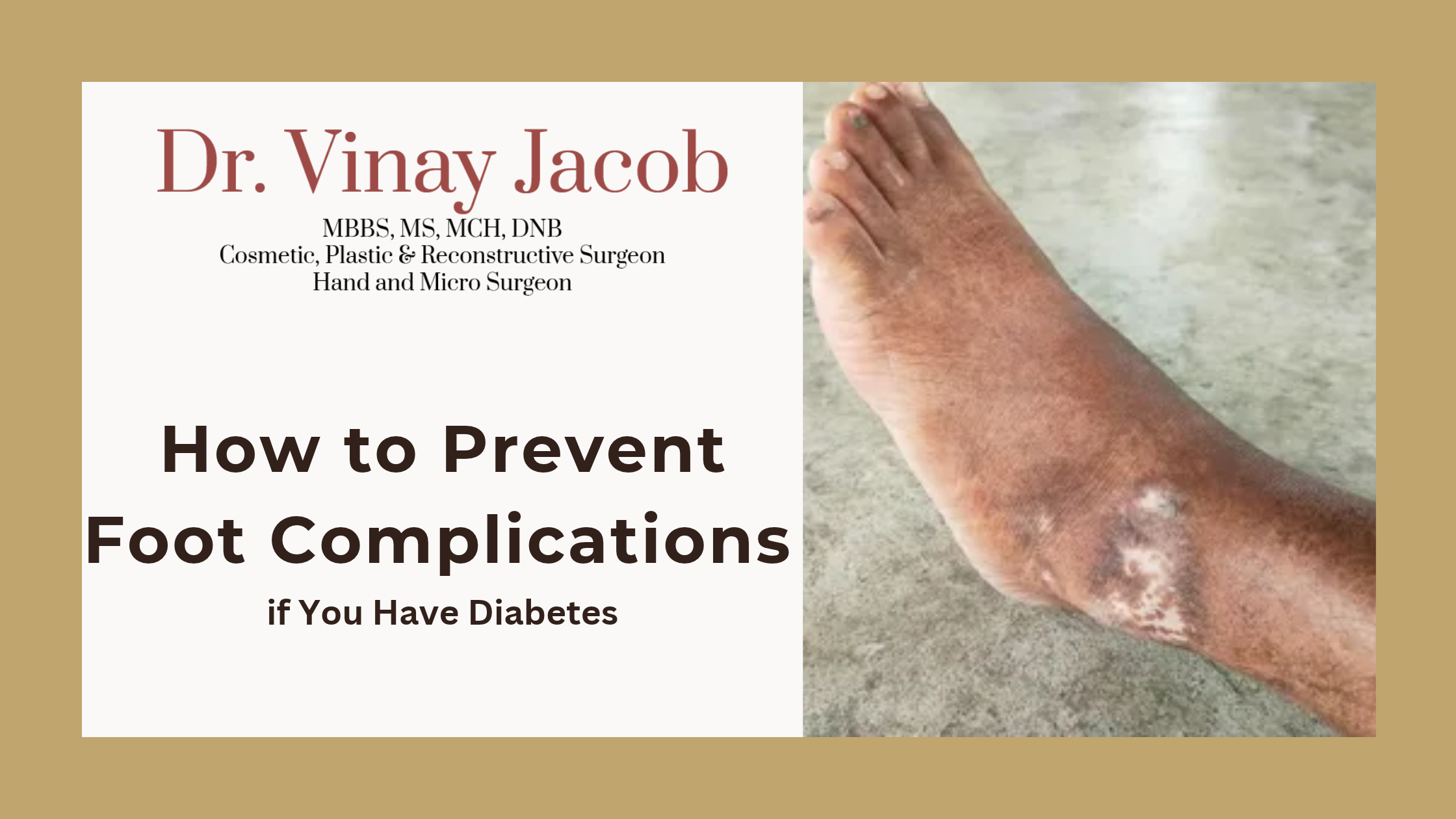
How to Prevent Foot Complications if You Have Diabetes
Diabetes can affect several parts of the body, including the nerves, blood vessels, and skin of the feet. Over time, elevated blood sugar levels can damage the nerves responsible for sensation and reduce blood circulation to the lower limbs. These changes can make it difficult to identify minor injuries and slow down the natural wound-healing process.
A small cut, blister, cracked heel, or callus may initially seem harmless. However, in someone with diabetes, an untreated foot injury can develop into an ulcer, infection, or even gangrene in severe cases.
The good news is that many diabetes-related foot complications can be reduced through regular foot care, proper footwear, blood sugar management, and timely medical evaluation.
If you are looking for a Diabetic Foot Treatment Surgeon in Mumbai, understanding how to protect your feet and recognize early warning signs can help you take the right preventive steps before a minor problem becomes serious.
Why Does Diabetes Increase the Risk of Foot Complications?
Diabetes can affect the feet through several mechanisms. The most important are nerve damage and reduced blood circulation.
1. Diabetic Neuropathy
Diabetic neuropathy occurs when prolonged high blood sugar damages the nerves.
It can reduce the ability to feel:
- Pain
- Pressure
- Heat
- Cold
- Minor injuries
- Changes in skin condition
For example, a person may develop a blister from tight footwear but continue walking because they cannot feel the discomfort.
Without early attention, repeated pressure can damage the skin and eventually cause an ulcer.
2. Poor Blood Circulation
Diabetes can increase the risk of peripheral artery disease, a condition in which the arteries supplying blood to the legs and feet become narrowed.
Reduced blood circulation can lead to:
- Slow wound healing
- Cold feet
- Skin colour changes
- Increased risk of infection
- Tissue damage in severe cases
When a wound develops in an area with poor blood supply, healing may become difficult and require specialist treatment.
3. Increased Risk of Infection
High blood sugar can affect the body's ability to fight infections.
If bacteria enter through a cut, blister, or open wound, infection may develop and spread into deeper tissues.
In advanced cases, an untreated infection can lead to bone infection, gangrene, or other serious complications.
4. Changes in Foot Structure
Some people with diabetes develop foot deformities because of nerve damage and changes in the muscles, joints, and bones.
Conditions such as Charcot foot can alter the shape of the foot and create abnormal pressure points.
These pressure points can increase the likelihood of calluses, skin breakdown, and ulcers.
12 Effective Ways to Prevent Foot Complications if You Have Diabetes
Preventive foot care should become part of your daily routine if you have diabetes, especially if you have reduced sensation, poor circulation, or a previous foot ulcer.
1. Inspect Your Feet Every Day
Daily foot inspection is one of the simplest ways to identify problems early.
Check both feet for:
- Cuts and scratches
- Blisters
- Redness
- Swelling
- Cracked skin
- Calluses
- Changes in skin colour
- Unusual discharge
- Open wounds
Pay particular attention to the heels, soles, toes, and spaces between the toes.
If you cannot see the bottom of your feet clearly, use a mirror or ask someone to help.
Do not wait for pain before checking your feet. Nerve damage can make injuries difficult to notice.
2. Wash Your Feet and Keep Them Dry
Clean feet help maintain skin health and reduce the risk of certain skin problems.
Follow these basic hygiene practices:
- Wash your feet daily with lukewarm water.
- Use a mild cleanser.
- Avoid soaking your feet for long periods.
- Dry them gently with a clean towel.
- Pay attention to the spaces between the toes.
Avoid using very hot water because reduced sensation may prevent you from recognizing a burn.
If your skin is dry, apply a suitable moisturiser to help prevent cracking. Avoid applying moisturiser between the toes, where excess moisture can encourage fungal problems.
3. Wear Properly Fitting Footwear
Footwear plays an important role in preventing pressure injuries.
Shoes that are too tight may cause blisters, while loose footwear can create friction.
Choose shoes that:
- Have enough room for your toes.
- Do not press against the sides of your feet.
- Have a comfortable inner lining.
- Provide suitable cushioning and support.
- Fit properly around the heel.
If you have foot deformities, reduced sensation, or a history of ulcers, your doctor may recommend therapeutic footwear or custom-made insoles.
4. Avoid Walking Barefoot
Walking barefoot can expose your feet to cuts, burns, sharp objects, and other injuries.
This is particularly risky when diabetic neuropathy reduces your ability to feel pain.
Wear suitable footwear even indoors, especially if you have reduced foot sensation.
Check your shoes before wearing them to ensure that there are no stones, sharp objects, or rough areas inside.
5. Manage Blood Sugar Levels
Blood glucose management is essential for reducing the risk of diabetes-related complications.
Persistently elevated blood sugar can damage nerves and blood vessels and interfere with wound healing.
Follow the treatment plan recommended by your healthcare professional.
This may include:
- Regular blood glucose monitoring
- Taking prescribed medication
- Following a balanced diet
- Maintaining appropriate physical activity
- Attending routine diabetes check-ups
Good blood sugar management supports overall foot health, although it cannot reverse every complication that has already developed.
6. Avoid Cutting Corns and Calluses Yourself
Corns and calluses develop when repeated pressure or friction causes the skin to thicken.
In people with diabetes, these areas can hide underlying skin damage and may eventually develop into ulcers.
Avoid:
- Cutting thickened skin with blades
- Using sharp instruments
- Applying over-the-counter corn-removal chemicals without medical advice
- Attempting aggressive home treatments
A healthcare professional can assess the cause of the thickened skin and recommend safe treatment.
7. Trim Your Toenails Carefully
Improper nail trimming can cause cuts, ingrown toenails, and infection.
Follow these precautions:
- Trim nails straight across.
- Avoid cutting the corners too deeply.
- Do not cut nails too short.
- Use clean nail-care tools.
- Avoid digging into the skin around the nails.
If you have poor eyesight, thick nails, reduced sensation, or circulation problems, seek professional help for nail care.
8. Avoid Smoking
Smoking can damage blood vessels and worsen circulation.
People with diabetes who smoke may have a higher risk of peripheral artery disease and related foot complications.
Quitting smoking can support cardiovascular health and improve the overall management of diabetes-related risks.
Discuss smoking cessation options with your healthcare professional if you need support.
9. Keep Your Feet Protected From Extreme Temperatures
Nerve damage can make it difficult to recognize excessive heat or cold.
Avoid:
- Placing hot water bottles directly against your feet
- Using heating pads on the feet
- Walking barefoot on hot surfaces
- Testing water temperature with your feet
- Exposing your feet to extreme cold
Use your hand or a thermometer to check water temperature before washing your feet.
10. Stay Physically Active
Regular physical activity can support blood glucose management and cardiovascular health.
Walking and other suitable exercises may help improve overall circulation and mobility.
However, exercise recommendations should be adjusted if you have an existing ulcer, foot deformity, active Charcot foot, or significant circulation problems.
If you already have a foot wound, consult your healthcare professional before continuing weight-bearing exercise.
11. Attend Regular Foot Examinations
Daily self-checks are important, but they do not replace professional examinations.
A healthcare professional may assess:
- Protective sensation
- Foot pulses
- Blood circulation
- Skin condition
- Foot shape
- Pressure points
- Previous ulcers
- Signs of infection
People with neuropathy, peripheral artery disease, previous ulcers, or other high-risk features may require more frequent foot assessments.
12. Seek Medical Help for Small Injuries
Do not ignore a small cut, blister, crack, or wound simply because it does not hurt.
If you notice an injury, arrange a prompt medical assessment, particularly if you have reduced sensation or poor circulation.
Early treatment can help prevent the wound from becoming deeper or infected.
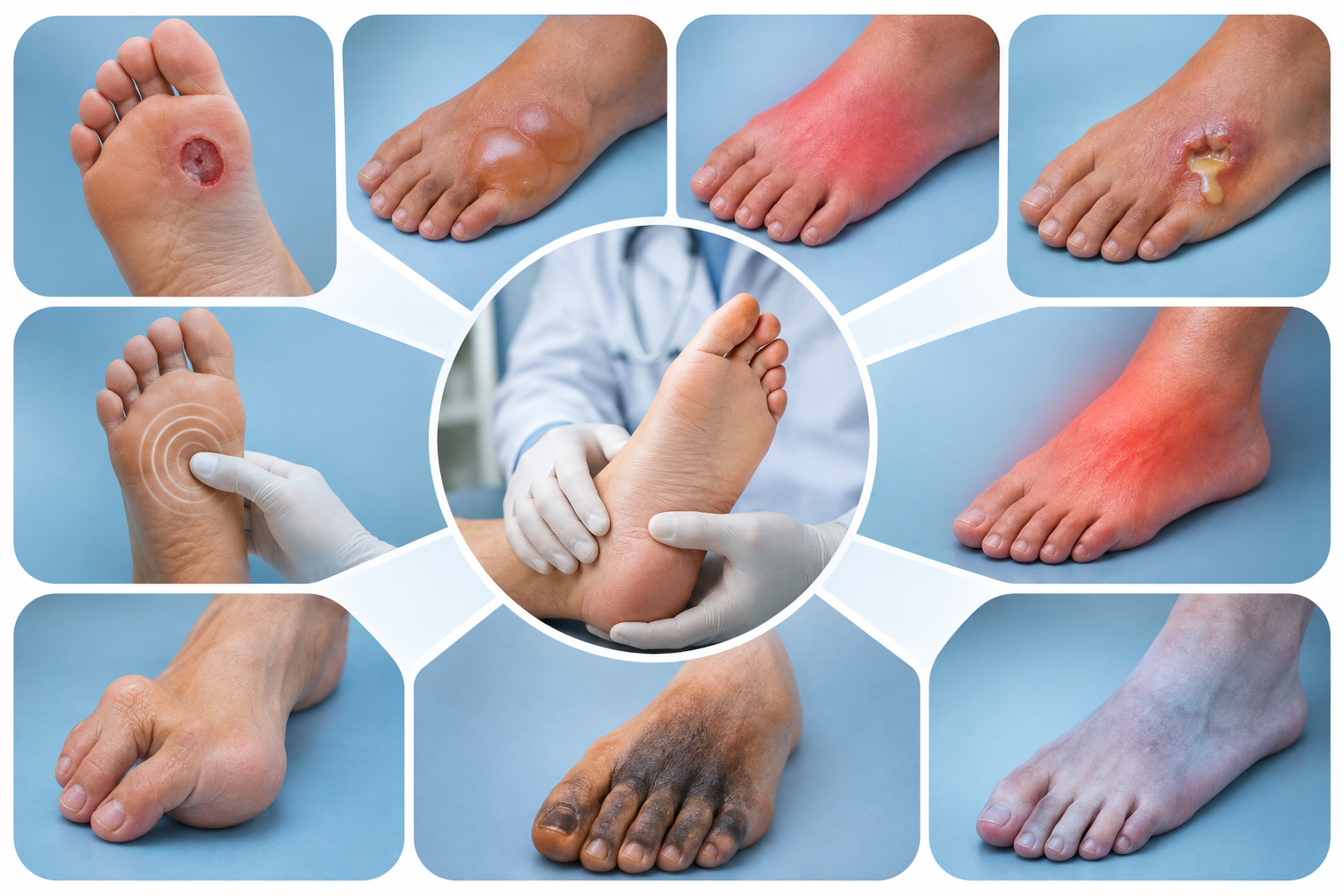
Early Warning Signs of Diabetic Foot Problems
Recognizing early changes can help prevent more serious complications.
Watch for the following symptoms.
Numbness or Tingling
A burning sensation, tingling, or reduced feeling in the feet may indicate diabetic neuropathy.
These symptoms can make it difficult to recognize injuries.
Persistent Dryness and Cracked Skin
Diabetes-related nerve damage can affect normal skin moisture and contribute to dry, cracked skin.
Cracks can provide an entry point for bacteria.
Swelling and Redness
Unexpected swelling, redness, or warmth may indicate inflammation, infection, injury, or Charcot foot.
A warm, swollen foot in someone with diabetes requires prompt medical assessment, even if it is painless.
Blisters and Calluses
Repeated pressure or friction can cause thickened skin and blisters.
If these areas are not managed appropriately, they may develop into open wounds.
Non-Healing Wounds
A cut or ulcer that does not improve needs professional evaluation.
Poor circulation, infection, repeated pressure, and elevated blood glucose may all contribute to delayed healing.
Changes in Skin Colour
Pale, bluish, purple, or blackened areas can indicate circulation problems or tissue damage.
Blackened tissue or sudden colour changes require urgent medical attention.
Common Diabetic Foot Complications You Should Know About
Understanding possible complications can help you recognize why preventive care is important.
1. Diabetic Foot Ulcers
Foot ulcers are open wounds that develop when skin damage progresses, often because of neuropathy, pressure, or poor circulation.
They commonly occur on the soles, heels, and toes.
Early wound care, pressure relief, and treatment of underlying problems can help prevent progression.
2. Diabetic Foot Infection
An infection develops when bacteria enter broken skin.
Warning signs may include redness, swelling, warmth, pus, foul odour, and worsening wound condition.
Some infections can spread into deeper tissues and require antibiotics, drainage, or surgery.
3. Gangrene
Gangrene occurs when tissue dies because of inadequate blood supply, severe infection, or both.
It may cause dark or blackened skin, tissue breakdown, and foul-smelling discharge.
Suspected gangrene requires urgent medical treatment.
4. Charcot Foot
Charcot foot is a condition in which bones and joints become damaged because of nerve-related changes and repeated unnoticed injuries.
It may cause swelling, warmth, redness, and changes in foot shape.
Early diagnosis and immobilization can help prevent further bone and joint damage.
5. Peripheral Artery Disease
Peripheral artery disease reduces blood flow to the lower limbs.
It may cause leg discomfort while walking, cold feet, changes in skin colour, or wounds that heal slowly.
A vascular assessment may be necessary to determine whether circulation-restoring treatment is appropriate.
How Are Diabetic Foot Complications Treated?
Treatment depends on the specific problem, its severity, and the person's circulation and overall health.
A diabetic foot treatment surgeon may coordinate care with other specialists when necessary.
Common treatment approaches include:
Wound care: Cleaning the wound and using suitable dressings to support healing.
Offloading: Reducing pressure on the affected area through specialized footwear, casts, or protective devices.
Infection management: Using appropriate antibiotics when infection is present and draining collections of pus when necessary.
Debridement: Removing dead or damaged tissue when clinically appropriate.
Circulation management: Assessing blood flow and considering procedures such as angioplasty or bypass surgery when required.
Surgical treatment: Addressing severe infection, deformity, or damaged tissue when other approaches are insufficient.
The goal is to treat the underlying problem, preserve healthy tissue, and reduce the risk of future complications.
When Should You Consult a Diabetic Foot Treatment Surgeon in Mumbai?
You should seek medical evaluation if you notice:
- A foot wound that is not healing
- Repeated blisters or ulcers
- Increasing redness or swelling
- Pus or foul-smelling discharge
- New numbness or changes in sensation
- A warm, swollen foot
- Changes in foot shape
- Dark or blackened skin
- Unusual coldness or colour changes
Seek emergency medical care if you have rapidly spreading redness, severe swelling, blackened tissue, fever, chills, confusion, or other signs of serious infection.
Do not wait for a foot wound to become painful. Diabetic neuropathy can reduce sensation and hide the severity of an injury.
Frequently Asked Questions
- 1. How often should people with diabetes check their feet?
People with diabetes should inspect their feet every day for cuts, blisters, swelling, redness, cracks, and other changes. Regular professional foot examinations are also important, particularly for people with neuropathy or circulation problems. - 2. Can diabetic foot complications be prevented?
Many complications can be reduced through daily foot inspection, appropriate footwear, blood glucose management, regular medical assessments, and early treatment of injuries. However, prevention cannot eliminate every risk. - 3. Why should people with diabetes avoid walking barefoot?
Reduced sensation can make it difficult to notice sharp objects, burns, cuts, or pressure injuries. Walking barefoot increases the risk of injuries that may develop into ulcers or infections. - 4. Can a small cut become serious in diabetes?
Yes. A small cut may become infected or develop into a deeper wound, particularly when nerve damage, poor circulation, or elevated blood glucose affects healing. Any foot injury should be monitored carefully and assessed when necessary. - 5. What is the first sign of diabetic foot problems?
Early signs may include tingling, numbness, dry skin, cracked heels, calluses, swelling, or changes in skin temperature. Some people may not notice symptoms because neuropathy reduces sensation. - 6. When does a diabetic foot ulcer require surgery?
Surgery may be considered when there is deep infection, an abscess, extensive dead tissue, severe deformity, or a wound that cannot be managed adequately with other treatments. The decision depends on the condition of the foot and the patient's overall health. - 7. When should I consult a diabetic foot treatment surgeon?
Consult a specialist if you have a non-healing wound, recurring ulcers, signs of infection, poor circulation, or changes in foot structure. Suspected gangrene or severe infection requires urgent medical attention.
Looking for a Diabetic Foot Treatment Surgeon in Mumbai?
Preventing diabetic foot complications requires consistent care, early recognition of warning signs, and timely medical attention. Even a small injury can become serious when nerve damage and poor circulation are present.
If you are looking for a Diabetic Foot Treatment Surgeon in Mumbai, Dr. Vinay Jacob can assess your foot condition and discuss appropriate treatment options based on the nature and severity of the problem.
Whether you are concerned about a non-healing wound, diabetic foot ulcer, infection, tissue damage, or other foot complications, early evaluation is important for planning suitable care.
Book a consultation in Mumbai to discuss your diabetic foot concerns and understand the steps you can take to protect your foot health.