

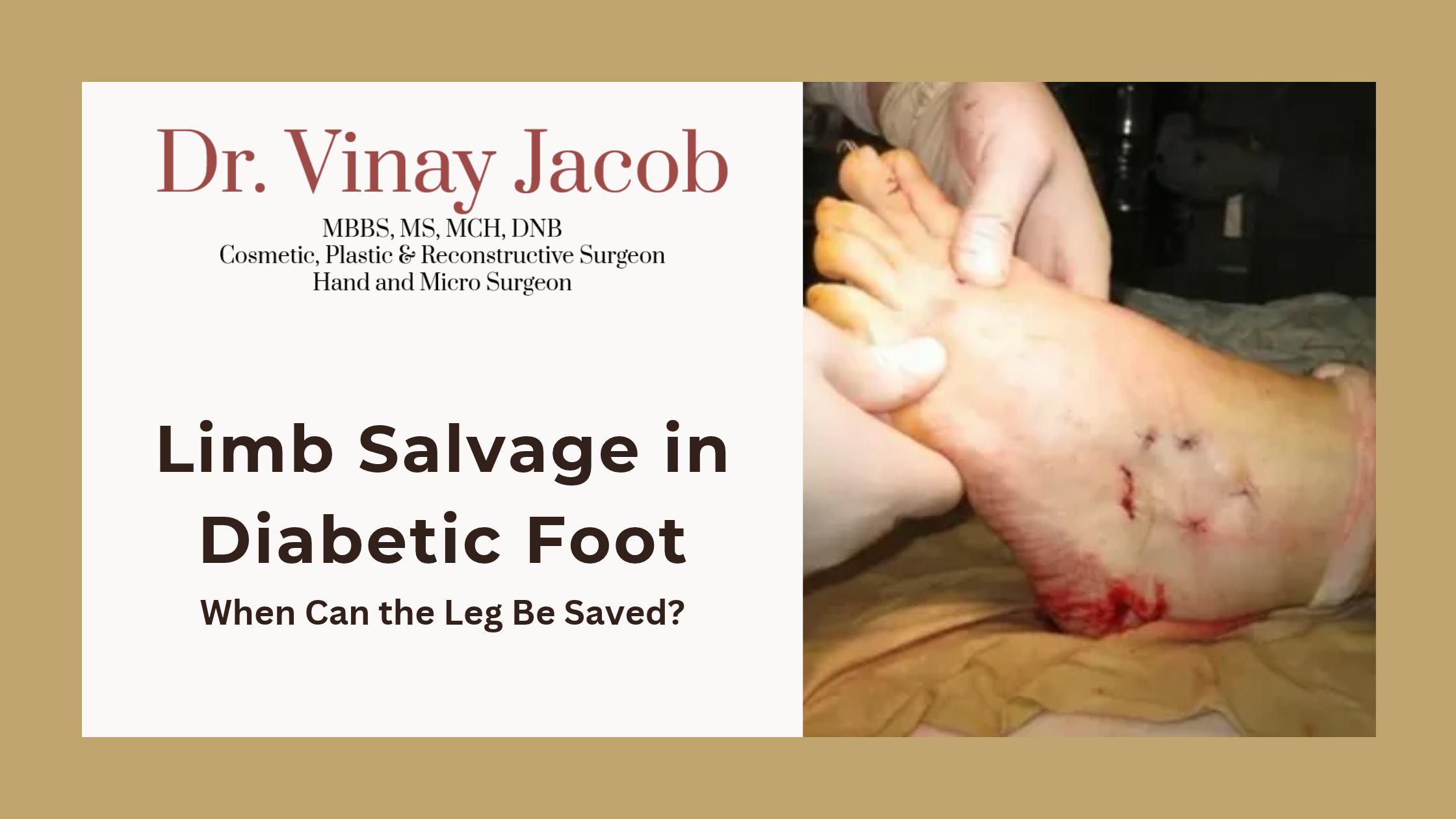
Limb Salvage in Diabetic Foot: When Can the Leg Be Saved?
A diabetic foot wound can become a serious medical concern when it fails to heal, develops an infection, or is accompanied by poor blood circulation. In advanced cases, tissue damage may threaten the foot or lower limb, leading patients and their families to worry about whether amputation is unavoidable.
However, amputation is not inevitable in every case of a severe diabetic foot wound. With timely assessment and an appropriate treatment plan, some patients can preserve their foot or leg through a combination of wound care, infection control, improved blood circulation, pressure relief, and surgery when necessary.
This approach is known as limb salvage. Its primary goal is to control the underlying problem, preserve as much healthy tissue as possible, and maintain the patient's mobility and quality of life.
For individuals seeking Diabetic Feet Treatment in Mumbai, understanding limb salvage can help them recognize the importance of early medical intervention and learn about the treatment options that may be available.
What Is Limb Salvage in Diabetic Foot?
Limb salvage refers to medical and surgical treatments intended to preserve a foot or leg that is threatened by severe wounds, infection, gangrene, or inadequate blood supply.
In people with diabetes, limb salvage may involve several specialists working together to manage different aspects of the condition.
Treatment may include:
- Assessment of blood circulation
- Professional wound care
- Treatment of infection
- Removal of dead or infected tissue
- Procedures to restore blood flow
- Pressure relief and protective footwear
- Surgery to address damaged bones or soft tissues
- Ongoing diabetes management and rehabilitation
The objective is to preserve a functional limb whenever this can be achieved safely.
Limb salvage does not mean that every part of the affected foot can always be saved. In some cases, limited removal of damaged tissue or an affected toe may still be necessary to control infection while preserving the remainder of the foot.
Why Are People With Diabetes at Risk of Limb Loss?
Diabetes can affect the nerves, blood vessels, immune response, and wound-healing process. When these problems occur together, a relatively small foot injury can become difficult to treat.
1. Diabetic Neuropathy
Diabetic neuropathy damages the nerves that provide sensation in the feet.
A person may not feel a blister, cut, burn, or pressure injury. Without pain as a warning signal, the injury may go unnoticed while continued walking makes it worse.
Over time, the wound can deepen and develop into a diabetic foot ulcer.
2. Poor Blood Circulation
Peripheral artery disease occurs when arteries supplying the legs and feet become narrowed or blocked.
Reduced circulation limits the oxygen and nutrients needed for tissue repair. It can also make it more difficult for the body to fight infection.
When blood flow is severely reduced, wounds may remain open for long periods, and some tissue may begin to die.
3. Infection
Bacteria can enter through broken skin and spread into the surrounding tissues.
A severe diabetic foot infection may involve the deeper soft tissues, tendons, joints, or bones. In advanced cases, it can lead to gangrene or a life-threatening systemic infection.
Prompt treatment is important because infection can progress quickly, particularly when circulation is poor.
4. Delayed Wound Healing
Persistently elevated blood glucose can interfere with normal healing and immune function.
When poor circulation, neuropathy, repeated pressure, and infection occur together, the risk of a wound deteriorating increases.
Managing these contributing factors is an important part of limb-salvage treatment.
When Can a Diabetic Foot Be Saved?
Whether a foot or leg can be preserved depends on several factors. No single symptom or test can determine the outcome in every patient.
The medical team considers the extent of tissue damage, blood supply, severity of infection, overall health, and whether the affected tissues can recover or be treated safely.
1. When the Wound Can Still Heal
A diabetic foot ulcer may be suitable for limb-preserving treatment when enough healthy tissue remains and the underlying causes can be addressed.
Treatment may include wound cleaning, appropriate dressings, pressure relief, and regular monitoring.
The doctor will also assess whether infection or poor circulation is preventing healing.
2. When Blood Flow Can Be Improved
Poor circulation does not automatically mean that the limb must be amputated.
Some patients may benefit from revascularization, which involves restoring blood flow to the affected area.
Depending on the location and severity of the arterial blockage, treatment may involve angioplasty, stenting, or bypass surgery.
Improving circulation can support wound healing and may help preserve tissue that is still viable. However, it cannot revive tissue that has already died.
3. When Infection Can Be Controlled
An infected diabetic foot ulcer may be treatable without major amputation when the infection can be controlled and sufficient healthy tissue remains.
Treatment can involve antibiotics, drainage of an abscess, removal of infected tissue, and assessment of the blood supply.
Severe infections may require emergency hospital treatment and surgery. In these situations, the priority is to control the infection and protect the patient's overall health.
4. When Gangrene Is Limited
Gangrene occurs when tissue dies because of inadequate blood supply, severe infection, or a combination of both.
The presence of gangrene does not always mean that the entire foot or leg must be removed.
In selected cases, treatment may involve restoring blood flow, removing dead tissue, and managing infection. Sometimes, a limited procedure such as removing an affected toe is necessary while preserving the rest of the foot.
The extent of tissue death and the possibility of controlling infection are important factors in determining the treatment plan.
5. When the Foot Can Remain Functional
Preserving the limb is not only about retaining tissue. The medical team must also consider whether the remaining foot can support safe movement and whether wounds are likely to heal.
Foot deformity, bone damage, and pressure points may need to be addressed to reduce the risk of recurring ulcers.
Rehabilitation and protective footwear may help patients regain mobility after treatment.
How Is Limb Salvage Evaluated?
Before recommending treatment, the medical team assesses the condition of the foot and the factors affecting its recovery.
Physical Examination
The doctor examines the wound, skin colour, swelling, temperature, tissue damage, and any signs of infection.
The assessment may also include checking foot pulses, sensation, and the extent of any deformity.
Blood Circulation Tests
Vascular assessment helps determine whether enough blood is reaching the affected area.
Depending on the situation, investigations may include:
- Doppler ultrasound
- Ankle-brachial index testing
- Toe pressure measurements
- Arterial imaging when required
These tests help identify circulation problems and determine whether a procedure to improve blood flow may be appropriate.
Infection Assessment
The doctor evaluates whether infection is limited to the skin or has spread into deeper tissues.
Blood tests, wound samples, and imaging may be recommended depending on the findings.
If bone infection is suspected, additional investigations may be needed to guide treatment.
Imaging Studies
X-rays, MRI, or other imaging tests may help identify bone damage, fractures, abscesses, or other complications.
The choice of imaging depends on the suspected problem and the urgency of the situation.
Treatment Options for Limb Salvage in Diabetic Foot
Limb salvage often requires a combination of treatments rather than a single procedure.
1. Wound Care and Dressings
Professional wound care helps protect the wound and create an appropriate environment for healing.
The dressing is selected according to the wound's depth, moisture level, and surrounding skin condition.
Regular reassessment is important to determine whether the wound is improving and whether the treatment plan needs to change.
2. Offloading and Pressure Relief
Repeated pressure can prevent an ulcer from healing, especially when it develops on the sole or another weight-bearing area.
Offloading reduces pressure on the affected part of the foot.
Depending on the wound and the patient's condition, this may involve a cast, walking boot, specialized footwear, custom insoles, or other protective devices.
The correct approach should be selected by a healthcare professional. Some wounds require restricted weight-bearing, particularly when deeper structures are affected.
3. Antibiotics and Infection Control
Antibiotics may be required when a diabetic foot wound is infected.
The choice of treatment depends on the severity of infection, the organisms involved, and whether deeper tissues or bone are affected.
Severe infections may require intravenous antibiotics and hospital admission.
Antibiotics alone may not be sufficient if an abscess, dead tissue, or severely reduced blood flow is present.
4. Debridement and Surgical Removal of Damaged Tissue
Debridement involves removing dead, damaged, or infected tissue when clinically appropriate.
This may help control infection and support wound management.
In some cases, surgery is required to drain an abscess or remove infected tissue from deeper structures.
The timing and extent of treatment depend on the infection, blood supply, and the condition of the surrounding tissue.
5. Revascularization to Restore Blood Flow
Revascularization is an important option for selected patients with severe peripheral artery disease.
Common approaches include:
Angioplasty: A catheter-based procedure used to widen a narrowed artery.
Stenting: A small tube may be placed to help keep the treated artery open when appropriate.
Bypass surgery: A new route is created for blood to reach the affected area, bypassing a severely narrowed or blocked section.
Not every patient is suitable for every procedure. The vascular specialist considers the location of the blockage, available blood vessels, overall health, and treatment goals.
6. Limited Surgery to Preserve the Foot
When infection or gangrene affects only part of the foot, a limited surgical procedure may sometimes control the problem while preserving surrounding healthy tissue.
This may involve removing an affected toe or a small area of damaged tissue.
The goal is to remove tissue that cannot be preserved safely while retaining as much useful function as possible.
7. Managing Diabetes and Other Health Conditions
Blood glucose management is an important part of recovery.
The treatment team may also review nutrition, smoking, blood pressure, cholesterol, kidney function, and other factors that affect circulation and healing.
Managing these issues supports the overall treatment plan, although it does not replace wound care, infection control, or vascular treatment when those interventions are needed.
What Happens When Limb Salvage Is Not Possible?
Despite appropriate treatment, some cases involve extensive tissue death, uncontrolled infection, or severe damage that cannot be treated safely while preserving the limb.
In such situations, amputation may be necessary to control infection, remove non-viable tissue, and protect the patient's life.
The level of amputation depends on the extent of damage, circulation, infection, and the likelihood of healing at the proposed surgical site.
Whenever the patient's condition allows, the medical team should explain the reasons for the recommendation and discuss whether other safe treatment options are available.
However, a life-threatening infection or rapidly progressing tissue damage may require urgent intervention. Necessary emergency treatment should not be delayed.
Warning Signs That Require Urgent Medical Attention
Early treatment can be important when trying to preserve a limb.
Seek prompt medical evaluation if you have diabetes and notice:
- A wound that is not healing
- Increasing redness or swelling
- Pus or foul-smelling discharge
- A wound that is becoming deeper
- Black, purple, or unusually dark tissue
- A foot that suddenly becomes cold or discoloured
- New swelling or warmth
- Increasing pain or numbness
Seek emergency care if there is rapidly spreading redness, extensive tissue discolouration, fever, chills, confusion, or severe weakness.
People with diabetic neuropathy may have serious wounds without significant pain. Do not wait for a wound to become painful before seeking help.

How Can You Reduce the Risk of Limb Loss?
Preventive foot care is essential for people with diabetes, especially those with nerve damage, poor circulation, or a history of ulcers.
Inspect Your Feet Daily
Look for cuts, blisters, cracks, swelling, discolouration, calluses, and open wounds.
Check the soles and spaces between the toes. Use a mirror or ask someone to help if needed.
Wear Appropriate Footwear
Choose properly fitting shoes that reduce friction and pressure.
People with foot deformities or previous ulcers may need therapeutic footwear or custom insoles.
Avoid walking barefoot, particularly if sensation is reduced.
Seek Help for Minor Injuries
A small wound can become serious when sensation and circulation are impaired.
Do not cut calluses yourself, apply harsh chemicals to wounds, or rely on home remedies when a wound is worsening.
Manage Blood Glucose
Follow the diabetes management plan recommended by your healthcare team.
Regular monitoring and appropriate treatment can help reduce diabetes-related complications.
Attend Regular Foot Assessments
People with neuropathy, circulation problems, previous ulcers, or a history of gangrene may need regular professional foot examinations.
These assessments can identify changes before they become more difficult to treat.
Frequently Asked Questions
- 1. Can a diabetic foot be saved from amputation?
In many cases, yes. Depending on the extent of tissue damage, treatment may include wound care, infection control, pressure relief, and procedures to improve blood circulation. However, limb preservation cannot be guaranteed in every case. - 2. Does gangrene always require amputation?
Not every case of gangrene requires major amputation. Selected patients may be treated with circulation-restoring procedures, removal of dead tissue, and infection management. Extensive tissue death or uncontrolled infection may still require amputation. - 3. Can poor circulation be treated to save a diabetic foot?
Some circulation problems can be treated with angioplasty, stenting, or bypass surgery. A vascular specialist must determine whether these procedures are suitable and whether they are likely to improve healing. - 4. How long does limb-salvage treatment take?
The timeline varies according to wound severity, circulation, infection, and the procedures required. Some wounds heal over several weeks, while complex cases may require months of treatment and rehabilitation. - 5. Is limb salvage possible if a diabetic foot ulcer is infected?
It may be possible, depending on the depth and severity of infection and the amount of healthy tissue remaining. Prompt treatment is important because a severe or spreading infection can become life-threatening. - 6. Can diabetic foot treatment prevent future ulcers?
Appropriate treatment can reduce the risk of recurrence, particularly when it addresses pressure, circulation, foot deformity, and diabetes management. Regular foot checks and protective footwear remain important after healing. - 7. When should I seek Diabetic Feet Treatment in Mumbai?
Seek prompt medical care if you have a non-healing wound, signs of infection, changes in skin colour, or a foot that suddenly becomes swollen, warm, or cold. Suspected gangrene or severe infection requires urgent assessment.
Looking for Diabetic Feet Treatment in Mumbai?
Limb salvage focuses on preserving as much healthy tissue and foot function as possible while controlling infection and addressing poor circulation. Early evaluation can help identify suitable treatment options before the damage progresses.
If you are looking for Diabetic Feet Treatment in Mumbai, seek an assessment from an appropriate medical team experienced in diabetic foot wounds and their complications. Depending on your condition, treatment may involve wound care, infection management, circulation assessment, revascularization, or surgery.
The most appropriate treatment depends on the wound's severity, blood supply, infection status, and overall health. No single procedure is suitable for every patient.
Do not delay medical care for a non-healing diabetic foot wound. Early assessment may help reduce complications and improve the possibility of preserving the affected limb.