

What Is Recovery Like After Rhinoplasty? Week-by-Week Guide
Rhinoplasty, commonly known as nose reshaping surgery, is one of the most sought-after cosmetic procedures for improving facial harmony and correcting nasal concerns. While most patients focus on the expected results, understanding the recovery process is equally important for a successful outcome.
Recovery after rhinoplasty is gradual, and while many patients return to their daily routines within a couple of weeks, the final results continue to refine over several months. Knowing what to expect during each stage of healing can help you prepare physically and mentally for the journey.
If you are considering rhinoplasty or researching rhinoplasty cost in Mumbai, understanding the recovery timeline can help you make a well-informed decision.
Why Recovery Matters After Rhinoplasty
Rhinoplasty involves reshaping the bone, cartilage, and soft tissues of the nose. Even though the procedure is carefully performed, the body needs time to heal and adapt to the new structure.
Following your surgeon’s post-operative instructions can:
- Minimize swelling
- Reduce complications
- Improve comfort
- Support proper healing
- Enhance final results
Patience is one of the most important parts of rhinoplasty recovery.
The First 24 Hours After Surgery
Immediately after rhinoplasty, patients are monitored before being discharged home.
What You May Experience
- Mild discomfort
- Nasal congestion
- Swelling around the nose
- Slight bleeding or drainage
- Grogginess from anesthesia
Most patients describe the feeling as pressure and congestion rather than significant pain.
Recovery Tips
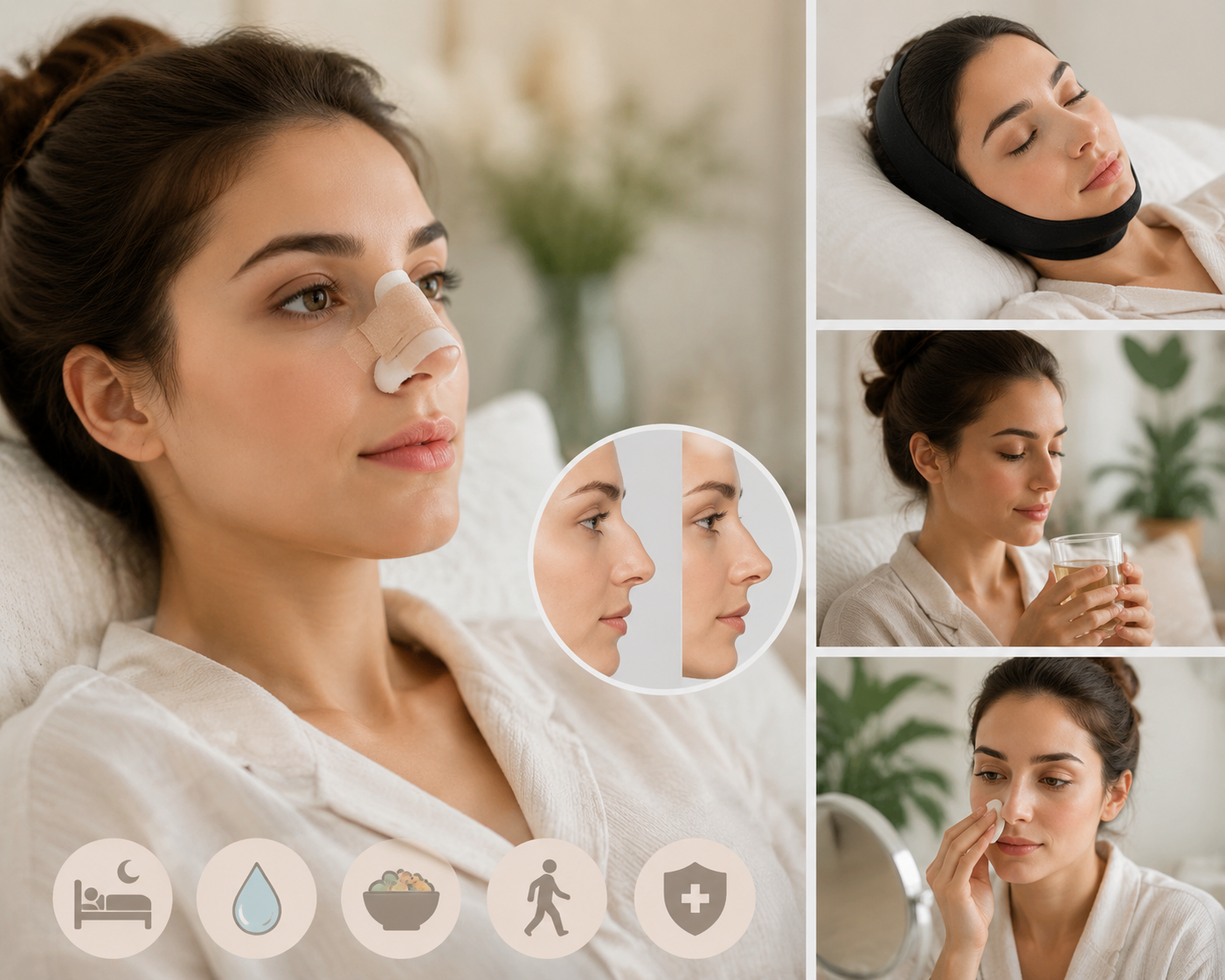
- Keep your head elevated
- Stay hydrated
- Avoid touching the nose
- Take prescribed medications as directed
Week 1: Initial Healing Phase
The first week is when swelling and bruising are most noticeable.
Common Symptoms
- Puffiness around the eyes
- Bruising beneath the eyes
- Nasal blockage
- Mild facial swelling
- Temporary discomfort
A nasal splint is usually placed to support the newly shaped nose during early healing.
What to Avoid
- Strenuous activity
- Heavy lifting
- Bending forward
- Wearing glasses directly on the nose
- Blowing your nose
Follow-Up Visit
Most patients visit their surgeon around one week after surgery for splint removal and evaluation.
Many are pleasantly surprised by how comfortable they feel once the splint is removed.
Week 2: Visible Improvement Begins
By the second week, most bruising starts fading significantly.
What Changes?
- Reduced swelling
- Improved breathing
- Less facial puffiness
- Increased comfort
Many patients feel confident returning to work, social events, and routine activities during this period.
Although healing is progressing well, the nose may still appear swollen, especially around the tip.
Weeks 3–4: Returning to Normal Activities
During the third and fourth weeks, the majority of visible bruising has disappeared.
You May Notice
- Improved nasal contour
- More refined appearance
- Better breathing function
- Increased energy levels
Light exercise may often be resumed with your surgeon's approval.
However, contact sports and activities that risk injury to the nose should still be avoided.
Month 2: Swelling Continues to Improve
By the second month, most patients begin appreciating the changes in their appearance.
Improvements Include
- Better nasal definition
- Reduced puffiness
- More balanced facial profile
- Improved confidence
Although others may not notice any remaining swelling, subtle internal healing is still taking place.
Months 3: Refinement Phase
This stage is often called the refinement phase.
What Happens?
- Nasal tissues continue settling
- Tip swelling gradually decreases
- Contours become more defined
- Scar tissue softens
Patients with thicker skin may notice a slower reduction in swelling compared to those with thinner skin.
At this stage, the nose begins looking increasingly natural.
Months 6–12: Final Results Develop
While significant improvements are visible much earlier, rhinoplasty results continue evolving throughout the first year.
Final Changes
- Residual swelling resolves
- Nasal tip refines further
- Symmetry improves
- Final shape becomes apparent
Many surgeons consider rhinoplasty results fully matured after approximately 12 months.
For complex or revision rhinoplasty cases, healing may continue beyond a year.
Factors That Affect Recovery
Every patient heals differently. Several factors influence recovery speed and final results.
Skin Thickness
Thicker skin may retain swelling longer.
Surgical Complexity
More extensive reshaping generally requires a longer healing period.
Age
Younger patients often heal more quickly.
Lifestyle Habits
Smoking and poor nutrition can slow recovery.
Following Post-Operative Instructions
Patients who carefully follow recovery guidelines often experience smoother healing.
Tips for Faster and Smoother Recovery
Sleep with Your Head Elevated
Keeping your head elevated reduces swelling and improves comfort.
Stay Hydrated
Proper hydration supports tissue healing.
Avoid Smoking
Smoking can interfere with blood flow and delay recovery.
Eat a Healthy Diet
Nutrient-rich foods support the healing process.
Protect Your Nose
Avoid accidental impacts and unnecessary pressure on the nose.
Be Patient
The nose changes gradually, and final results take time to develop.
When Should You Contact Your Surgeon?
While most recoveries are straightforward, you should contact your surgeon if you experience:
- Excessive bleeding
- Severe pain
- Fever
- Sudden swelling increase
- Difficulty breathing
- Signs of infection
Regular follow-up visits help ensure healing is progressing as expected.
Does Rhinoplasty Recovery Affect the Overall Cost?
When researching rhinoplasty cost in Mumbai, it is important to understand that recovery support is an important part of the treatment journey.
The overall cost may be influenced by:
- Complexity of surgery
- Surgeon’s expertise
- Hospital facilities
- Follow-up care
- Type of rhinoplasty performed
Choosing a skilled and experienced surgeon often contributes to safer surgery and smoother recovery.
Why Choose Dr. Vinay Jacob for Rhinoplasty?
Dr. Vinay Jacob is a highly experienced plastic and reconstructive surgeon known for delivering natural-looking facial aesthetic results.
His approach to rhinoplasty focuses on:
- Personalized treatment planning
- Functional and aesthetic improvement
- Advanced surgical techniques
- Patient safety
- Long-term facial harmony
Patients benefit from comprehensive pre-operative evaluation, meticulous surgical care, and detailed post-operative guidance throughout the recovery process.
Frequently Asked Questions
- How painful is rhinoplasty recovery?
Most patients experience mild discomfort, pressure, and congestion rather than severe pain. - When can I return to work after rhinoplasty?
Many patients return to work within 7–14 days, depending on their recovery progress. - How long does swelling last after rhinoplasty?
Most swelling improves significantly within a few weeks, but subtle swelling can persist for several months. - Can I exercise after rhinoplasty?
Light activity may be resumed gradually, but strenuous exercise should be avoided until approved by your surgeon. - When will I see my final rhinoplasty results?
While early improvements are visible within weeks, final results often develop over 6–12 months.
Final Thoughts
Rhinoplasty recovery is a gradual process that unfolds over several months. While the first few weeks involve managing swelling and allowing tissues to heal, the nose continues refining long after visible bruising has disappeared. Understanding each stage of recovery helps set realistic expectations and supports a smoother healing experience.
If you are considering rhinoplasty and would like expert guidance from an experienced plastic surgeon in Mumbai, scheduling a consultation can help you understand the procedure, expected recovery, and treatment options tailored to your goals. A well-planned rhinoplasty not only enhances facial balance but can also deliver lasting improvements in confidence and quality of life.