

7 Signs Your Breasts May Be Affecting Your Quality of Life
Breast size is a personal aspect of every woman's body, but when breasts are disproportionately large or heavy, they can sometimes affect much more than appearance. Persistent discomfort, difficulty exercising, skin irritation, and limitations in everyday activities can gradually affect physical comfort and emotional well-being.
Many women simply learn to live with these problems, assuming that back or neck pain, difficulty finding clothes, or discomfort during exercise is something they have to accept. However, when symptoms are persistent and significantly affect daily life, it may be worth discussing them with a qualified plastic surgeon.
Breast reduction surgery is a procedure designed to remove excess breast tissue, fat, and skin while reshaping the breasts to create a size and contour that is more proportionate to the body.
If you are wondering whether your breast size may be affecting your quality of life, here are seven signs worth paying attention to.
1. You Frequently Experience Back, Neck, or Shoulder Pain
One of the most common concerns associated with very large breasts is persistent discomfort in the upper body.
The additional weight at the front of the chest can place strain on the neck, shoulders, and upper back. Over time, this may contribute to:
- Neck stiffness
- Shoulder discomfort
- Upper-back pain
- Muscle tension
- Postural changes
- Headaches associated with muscle tension in some individuals
You may notice that discomfort becomes worse after standing for long periods, working at a desk, walking, or performing household activities.
While there can be many causes of back and neck pain, breast size can be one contributing factor for some women.
If you regularly experience these symptoms and have large or heavy breasts, a medical assessment can help determine whether breast reduction could potentially improve your comfort.
2. Bra Straps Leave Deep Marks on Your Shoulders
Another common sign is persistent pressure from bra straps.
When breasts are heavy, bra straps may dig into the shoulders to provide additional support. Over time, this can result in:
- Deep strap marks
- Shoulder soreness
- Skin irritation
- Tenderness around the shoulders
- Discomfort while wearing bras for extended periods
You may have tried different bra styles, wider straps, or specialty support bras without achieving lasting relief.
Although wearing a properly fitted bra can improve support and comfort, it may not fully address the underlying issue when breast weight itself is contributing significantly to the problem.
3. Exercise Has Become Difficult or Uncomfortable
Physical activity is important for overall health, but large breasts can make certain forms of exercise uncomfortable.
Running, jumping, aerobics, cycling, or even brisk walking may cause:
- Breast pain
- Excessive movement
- Discomfort
- Difficulty finding adequate support
- Embarrassment or self-consciousness
Some women gradually reduce their physical activity because exercise becomes uncomfortable.
This can create a frustrating cycle where the person wants to stay active but feels restricted by breast size.
Breast reduction may be considered when breast size is a significant barrier to comfortable physical activity.
The goal is not to eliminate the need for supportive sportswear but to reduce excessive breast weight and make movement more comfortable.
4. You Experience Skin Irritation Under the Breasts
Large or heavy breasts can create folds where moisture and friction become trapped.
This can lead to recurring:
- Redness
- Chafing
- Rashes
- Irritation
- Skin sensitivity
- Discomfort or unpleasant odour
These problems can become particularly troublesome in warm or humid weather.
Keeping the area clean and dry, wearing breathable fabrics, and using appropriate medical treatments when necessary can help manage symptoms.
However, if skin irritation continues to return because of the size and shape of the breasts, it may be worth discussing the underlying cause with a healthcare professional.
5. Finding Comfortable and Well-Fitting Clothes Is Difficult
Your breast size can influence how clothing fits across the entire upper body.
You may find that:
- Shirts fit across the waist but are too tight around the chest
- Button-down tops pull or gape
- Dresses need alterations
- Certain styles are difficult to wear comfortably
- You need larger clothing sizes than expected because of your bust
- Finding supportive and comfortable bras is challenging
This can become frustrating, especially when you feel that your clothing choices are being dictated by your breast size rather than your personal style.
Breast reduction does not guarantee that every clothing issue will disappear, but reducing breast volume may make it easier for some women to find clothing that fits more comfortably.
6. You Feel Self-Conscious About Your Breast Size
The impact of very large breasts is not always physical.
Some women feel uncomfortable with unwanted attention or may become self-conscious about their appearance.
You may find yourself:
- Avoiding certain clothes
- Feeling uncomfortable in photographs
- Avoiding social activities
- Feeling overly conscious of your body
- Constantly adjusting clothing
- Avoiding situations such as swimming or exercising in public
These feelings can affect confidence and quality of life.
It is important to remember that choosing breast reduction should be a personal decision. The procedure should not be performed because of pressure from other people or because you feel you need to meet a particular body standard.
If you personally feel that your breast size is interfering with your comfort, confidence, or daily life, a consultation can help you understand your options.
7. Everyday Activities Have Become More Difficult
Perhaps the most important sign is when your breast size begins to interfere with ordinary activities.
You may notice difficulty with:
- Walking long distances
- Exercising
- Sleeping comfortably
- Maintaining certain postures
- Working for long periods
- Performing household tasks
- Participating in recreational activities
When these limitations become a regular part of your life, they should not simply be dismissed.
Your symptoms may have another underlying cause, so it is important to receive an appropriate medical evaluation. However, if breast size is contributing significantly to your discomfort, breast reduction may be one potential treatment option.
What Is Breast Reduction Surgery?
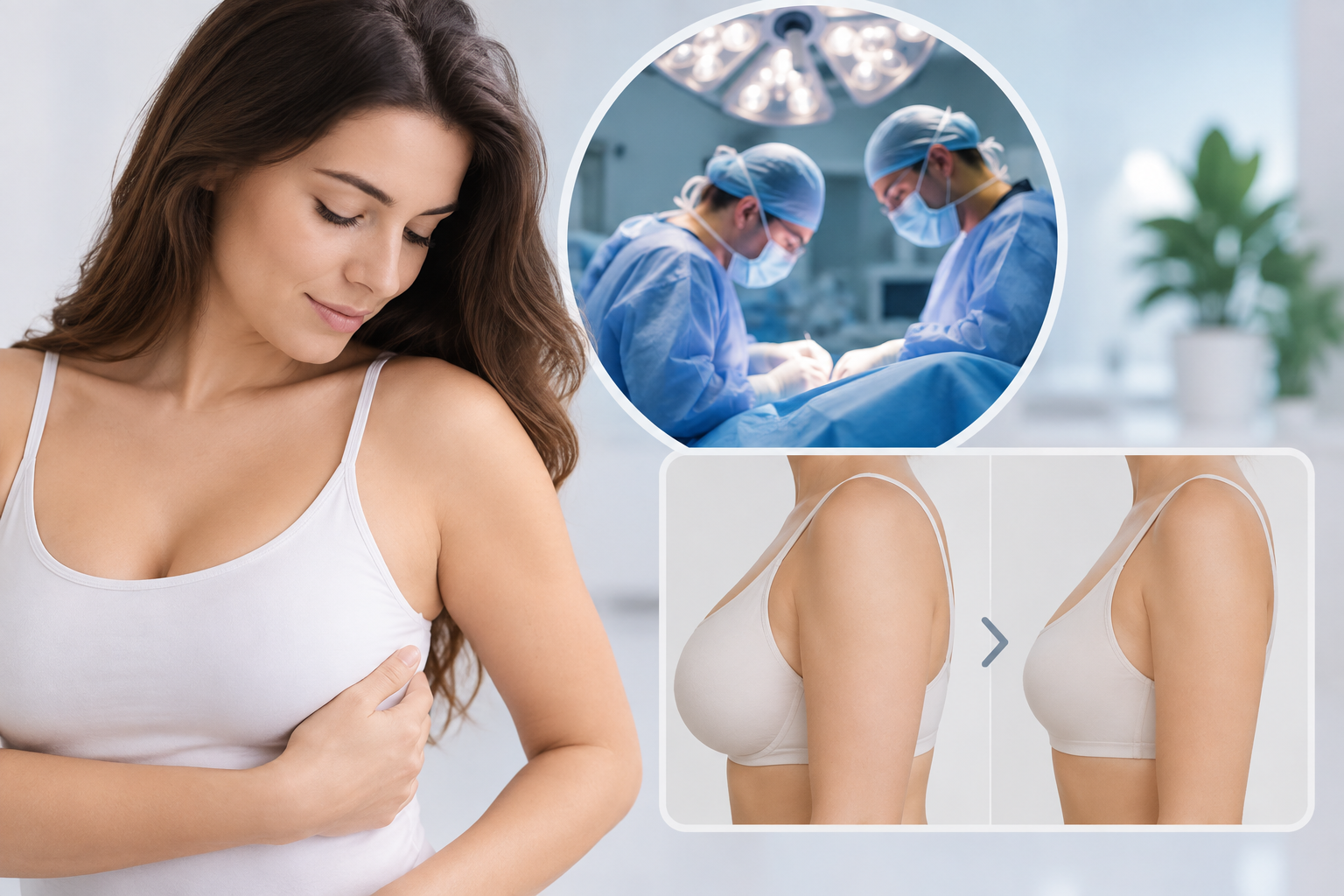
Breast reduction surgery, also called reduction mammoplasty, involves removing excess breast tissue, fat, and skin and reshaping the remaining tissue.
The procedure is designed to create breasts that are smaller and more proportionate to the patient's body.
Depending on the individual's anatomy and surgical plan, breast reduction may also involve repositioning the nipple and areola to achieve an appropriate breast shape.
The exact surgical technique varies from patient to patient.
The objective is not simply to remove as much tissue as possible. Instead, the surgeon aims to achieve an appropriate balance between breast size, shape, symmetry, tissue preservation, and the patient's individual goals.
Who May Consider Breast Reduction?
Breast reduction may be considered by women whose breast size contributes to physical discomfort or other quality-of-life concerns.
You may be a potential candidate if you experience:
- Persistent neck, shoulder, or back discomfort
- Difficulty exercising
- Skin irritation beneath the breasts
- Problems finding suitable clothing
- Physical limitations caused by breast weight
- Significant discomfort associated with large breasts
Your overall health, expectations, breast anatomy, and medical history will also be considered.
A consultation with a qualified plastic surgeon is the best way to determine whether the procedure is appropriate for you.
What Happens During Breast Reduction Surgery?
The specific approach depends on your breast size, shape, degree of sagging, skin quality, and the amount of tissue that needs to be removed.
Generally, the surgeon makes carefully planned incisions, removes excess tissue and skin, reshapes the remaining breast tissue, and positions the nipple and areola appropriately.
The incisions are then closed to create the new breast contour.
The technique used is individualized rather than being identical for every patient.
During your consultation, your surgeon can explain where the incisions are likely to be placed and how the procedure will be customized for your anatomy.
What Can You Expect During Recovery?
Recovery varies from one person to another.
During the initial period, you may experience swelling, bruising, tightness, and soreness around the breasts.
Your surgeon may recommend:
- Wearing a supportive surgical or recovery bra
- Taking prescribed medications as directed
- Avoiding strenuous physical activity initially
- Keeping incision areas clean and protected
- Attending follow-up appointments
- Gradually returning to normal activities
Many patients can return to lighter daily activities relatively soon, but strenuous exercise and heavy lifting generally need to be avoided until your surgeon confirms that it is safe.
Swelling gradually decreases during recovery, and the final breast shape becomes clearer over time.
Will Breast Reduction Leave Scars?
Scarring is an important consideration.
Because breast reduction involves removing excess skin and reshaping the breast, incisions are necessary.
The exact scar pattern depends on the surgical technique and the patient's anatomy. Scars are usually positioned as strategically as possible, but they do not disappear completely.
Over time, scars generally mature and become less noticeable.
Your surgeon can explain the expected incision pattern during your consultation and provide guidance on scar care after surgery.
Can Breast Reduction Improve Back and Neck Discomfort?
For women whose symptoms are related to the weight of their breasts, reducing breast volume may help relieve some of the physical burden placed on the neck, shoulders, and back.
However, back or neck pain can have many causes.
Breast reduction should not be viewed as a guaranteed treatment for every type of back pain. A proper assessment is important to determine whether breast size is likely to be contributing to your symptoms.
Can You Exercise After Breast Reduction?
Yes, most patients can gradually return to physical activity after recovery.
The timing depends on the type of exercise and how your healing progresses.
Low-impact activities are generally introduced before more strenuous exercise. Activities involving running, jumping, heavy lifting, or significant chest movement may need to be delayed longer.
Always follow your surgeon's specific instructions rather than using another person's recovery timeline as a guide.
Can Breast Reduction Affect Breastfeeding?
Breast reduction can potentially affect the ability to breastfeed, depending on the surgical technique and how much breast tissue and ductal tissue are preserved.
If you are planning to have children or want to breastfeed in the future, discuss this with your surgeon before surgery.
Your future pregnancy plans may also influence when breast reduction is performed.
How Long Do Breast Reduction Results Last?
Breast reduction provides a long-lasting reduction in breast volume, but the breasts can still change over time.
Factors such as:
- Pregnancy
- Breastfeeding
- Significant weight changes
- Aging
- Hormonal changes
can affect breast size and shape after surgery.
Maintaining a relatively stable weight and following a healthy lifestyle can help preserve your results, although natural changes over time are still expected.
Is Breast Reduction Only About Appearance?
No.
Although breast reduction can change breast size and shape, many women consider the procedure because of physical discomfort or limitations caused by large breasts.
Potential benefits may include:
- Reduced pressure on the shoulders and upper back
- Greater comfort during physical activity
- Easier clothing selection
- Reduced irritation beneath the breasts
- Improved body proportions
- Greater confidence
The extent of improvement varies from person to person.
Questions to Ask Before Breast Reduction Surgery
If you are considering Breast Reduction Surgery in Mumbai, preparing questions before your consultation can help you make an informed decision.
Consider asking:
- Am I a suitable candidate for breast reduction?
- How much breast tissue may need to be removed?
- Which surgical technique would you recommend for me?
- Where will the scars be located?
- How long will my recovery take?
- When can I return to exercise?
- Could the procedure affect breastfeeding?
- How might pregnancy or weight changes affect my results?
- What risks and complications should I understand?
- What can I realistically expect from surgery?
An honest discussion about your expectations is an important part of planning the procedure.
Frequently Asked Questions
- How do I know if I need breast reduction surgery?
If large or heavy breasts are causing persistent discomfort, limiting physical activity, creating recurring skin irritation, or significantly affecting your daily life, you may benefit from an assessment. A surgeon can determine whether breast size is contributing to your symptoms. - Does breast reduction help with shoulder and neck pain?
It may help when breast weight is contributing to the discomfort. However, neck and shoulder pain can have multiple causes, so an individual medical assessment is important. - Can breast reduction make exercise easier?
Reducing excess breast volume may make movement more comfortable for some women, particularly when breast weight or movement has previously made exercise difficult. - Will I lose sensation after breast reduction?
Changes in nipple or breast sensation can occur after surgery. Sensation may temporarily change during healing, while some changes can persist. Your surgeon should discuss this possibility during your consultation. - How much smaller will my breasts become?
The amount of tissue removed is determined individually. Your surgeon will consider your body proportions, breast anatomy, symptoms, and desired outcome rather than targeting a specific cup size alone. - Will breast reduction scars disappear?
Scars do not completely disappear, but they generally mature and become less noticeable over time. Their final appearance varies depending on healing, genetics, incision pattern, and aftercare. - Can breasts become large again after reduction?
Breast size can change after surgery because of pregnancy, significant weight gain, hormonal changes, and aging. While the removed tissue does not simply grow back, remaining breast tissue can change over time. - Is breast reduction suitable for everyone?
No. Your general health, breast anatomy, expectations, medical history, and individual circumstances all need to be considered before surgery.
Considering Breast Reduction Surgery in Mumbai?
If your breast size is causing persistent back or neck discomfort, shoulder pressure, skin irritation, difficulty exercising, or limitations in everyday life, you do not have to simply accept these concerns as a normal part of life.
Dr. Vinay Jacob can evaluate your breast size, symptoms, body proportions, and individual goals to determine whether breast reduction may be appropriate for you.
Book a consultation in Mumbai to discuss your concerns, understand your treatment options, and take the first step toward greater comfort, mobility, and confidence.