

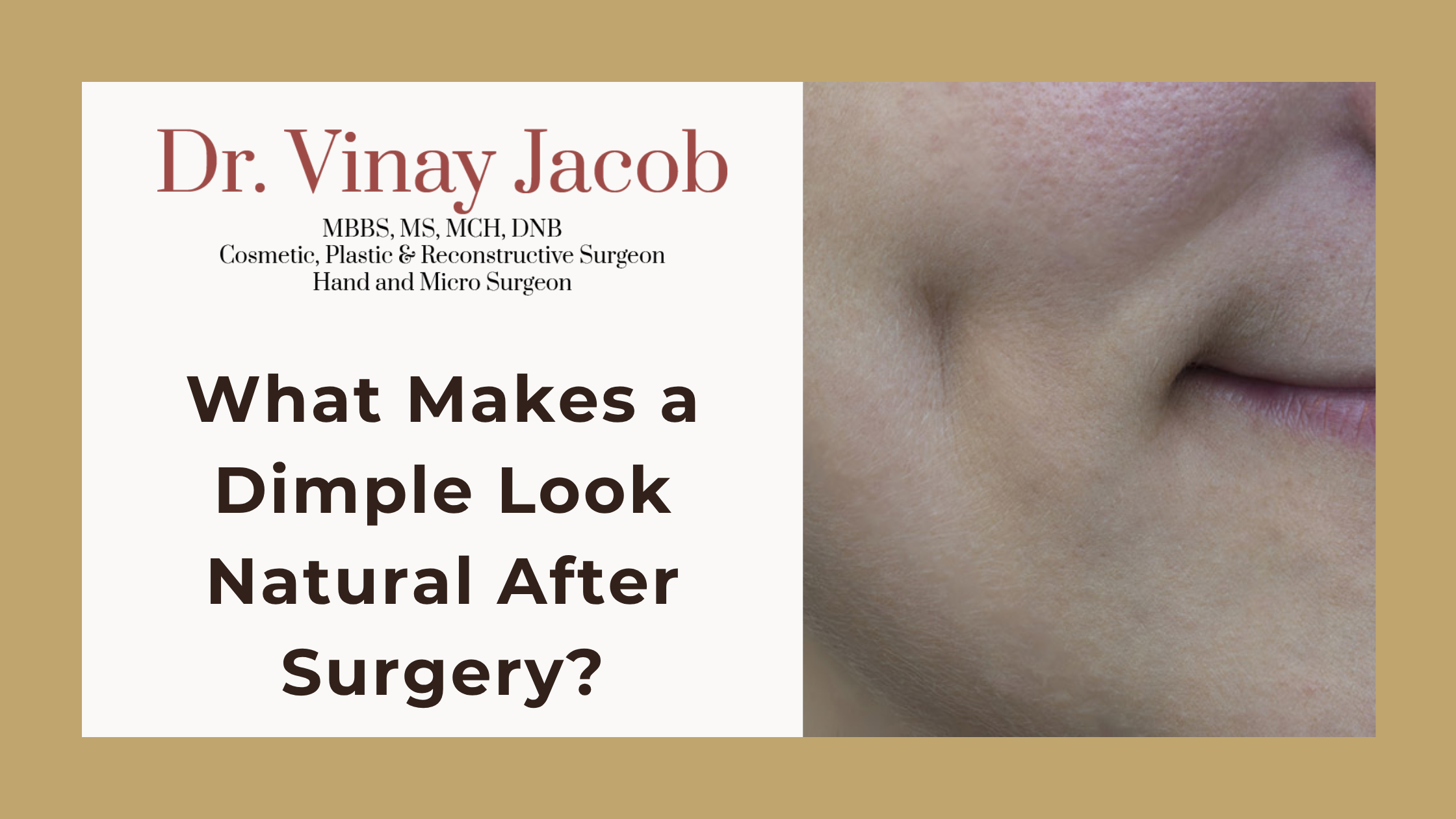
What Makes a Dimple Look Natural After Surgery?
Dimples are small facial indentations that can add character and individuality to a smile. While some people naturally have dimples because of the way their facial muscles and tissues are structured, others choose to create them surgically.
But getting a dimple is not simply about creating an indentation in the cheek. The position, depth, size, symmetry, and relationship with your facial features all influence whether the result looks natural.
A well-planned dimple should generally appear subtle and harmonious with your face rather than looking like an obvious mark on the cheek.
If you are considering Dimple Creation Surgery in Mumbai, understanding what contributes to a natural-looking result can help you set realistic expectations and have a more informed discussion with your plastic surgeon.
What Is Dimple Creation Surgery?
Dimple creation surgery, also known as dimpleplasty, is a minimally invasive cosmetic procedure designed to create a small indentation in the cheek.
The procedure generally involves creating a controlled connection between the skin and deeper cheek tissues so that a small depression becomes visible when the facial muscles move.
Unlike procedures that add volume or remove large amounts of tissue, dimple creation focuses on creating a specific change in the relationship between the skin and underlying structures.
The exact technique can vary depending on the surgeon and the patient's facial anatomy.
What Makes a Dimple Look Natural?
Several factors contribute to the final appearance.
The most important include:
- Appropriate placement
- Suitable size
- Controlled depth
- Facial symmetry
- Relationship with the smile
- Individual cheek anatomy
- Surgical technique
- Healing response
A natural-looking dimple should complement your facial features rather than dominate them.
1. The Position of the Dimple
Location is one of the most important aspects of dimple creation.
A dimple placed too high, too low, too close to the nose, or too close to the corner of the mouth may appear unnatural.
The ideal location varies between individuals because everyone's:
- Cheek structure
- Smile
- Mouth shape
- Facial proportions
- Muscle anatomy
is different.
During consultation, your surgeon may assess your face at rest and while smiling to determine an appropriate position.
Why Your Smile Matters
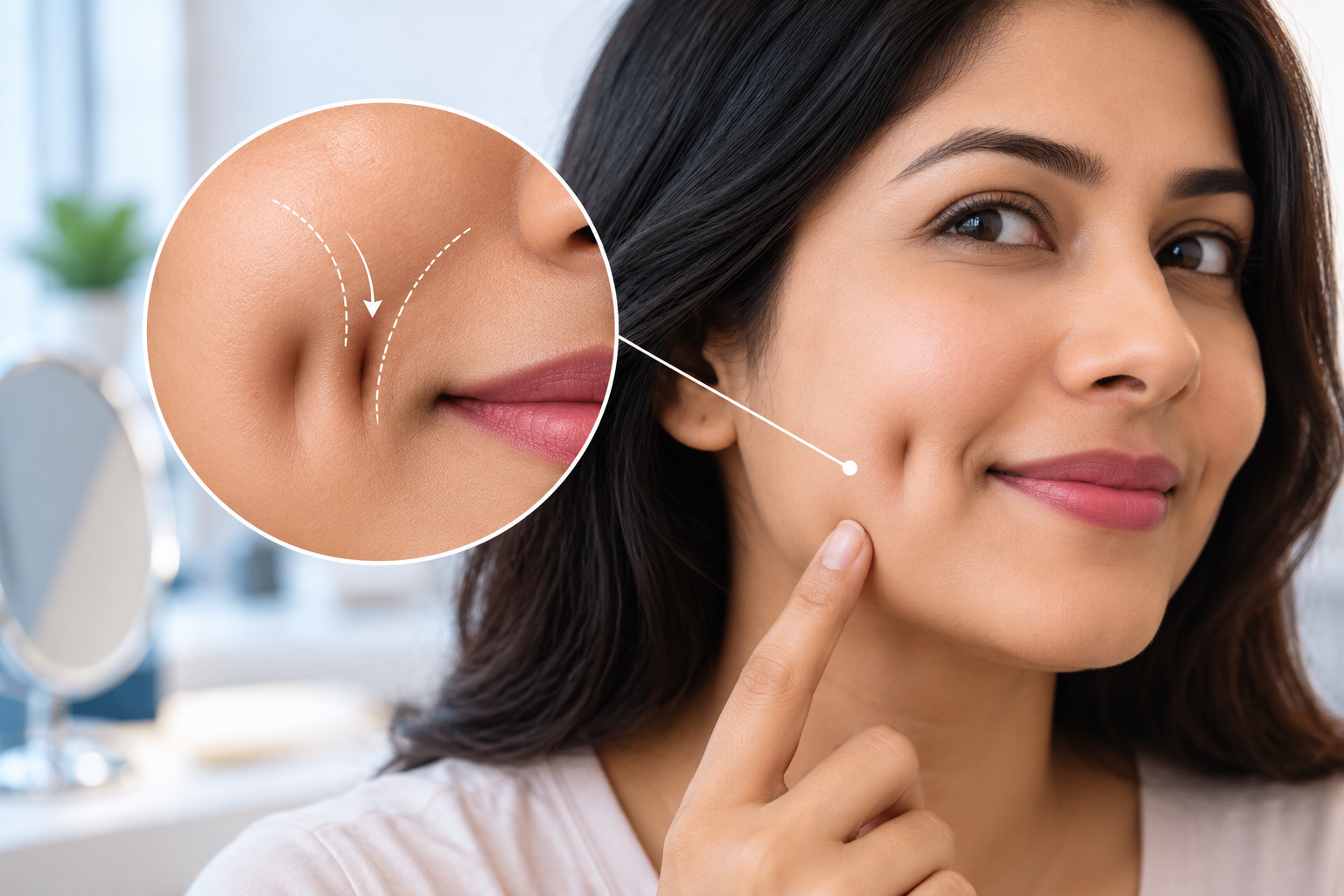
A natural dimple is often associated with facial movement.
When you smile, the cheek muscles move and create the characteristic indentation.
Therefore, the dimple's position should be considered in relation to how your cheek moves during smiling rather than being marked solely based on your face at rest.
2. The Size of the Dimple
A natural-looking dimple is usually relatively small and proportionate to the cheek.
Creating an indentation that is too large can make the result look artificial.
The desired size should take into account:
- Cheek width
- Facial proportions
- Existing facial features
- Patient preference
- Expected movement during smiling
Your surgeon can discuss whether a subtle or more noticeable dimple would be appropriate for your face.
3. The Depth Should Be Appropriate
Dimple depth can influence how noticeable the result appears.
A very deep indentation may look prominent even when you are not smiling.
A subtle depression may appear more natural, particularly if your goal is for the dimple to become more visible with facial expression.
The appropriate depth depends on your anatomy and the technique used.
It is not necessarily better to create the deepest possible dimple.
4. Symmetry Matters but Perfect Symmetry Isn't Always Necessary
If you choose bilateral dimple creation, the surgeon generally aims to create a balanced appearance on both sides.
However, the human face is naturally asymmetrical.
Your two cheeks may differ slightly in:
- Shape
- Muscle movement
- Soft-tissue thickness
- Facial contour
Trying to create mathematically identical dimples may therefore not always produce the most natural result.
The goal is usually visual balance, rather than perfect anatomical symmetry.
5. The Dimple Should Match Your Facial Features
Your face has its own proportions and characteristics.
A dimple should complement features such as:
- Cheek shape
- Jawline
- Lips
- Smile
- Facial width
- Overall facial structure
A dimple that looks attractive on someone else may not produce the same effect on your face.
This is why copying a celebrity's dimple placement is generally not the best approach.
6. Your Natural Smile Plays a Role
One of the defining characteristics of a natural dimple is that it interacts with facial movement.
Some dimples are more visible when smiling and less noticeable when the face is relaxed.
Patients considering surgery should discuss whether they want:
- A dimple visible mainly when smiling
- A subtle indentation that remains slightly visible at rest
- A more noticeable dimple
Your surgeon can explain what is realistically achievable based on your anatomy and the selected technique.
7. The Underlying Cheek Anatomy Matters
The cheek contains skin, fat, muscles, connective tissue, nerves, and other structures.
The anatomy varies considerably between individuals.
This means the same technique may not produce exactly the same appearance in every patient.
A surgeon must understand the relevant facial anatomy when creating the dimple to achieve the desired indentation while minimizing the risk of unwanted changes.
8. Surgical Technique Influences the Result
The technique used during dimple creation can affect how the indentation develops.
The procedure generally involves creating a controlled connection between the skin and deeper tissues.
The surgeon must carefully determine:
- Where to create the connection
- How much tissue to involve
- How the skin will respond
- How the dimple will appear during facial movement
The goal is to create a controlled and aesthetically appropriate depression.
Why Does a Newly Created Dimple Sometimes Look Too Deep?
It is common for a newly created dimple to look more pronounced during the early healing period.
Swelling and tissue healing can temporarily alter its appearance.
In the early stages, the dimple may appear:
- Deeper than expected
- More visible at rest
- Slightly uneven
- More prominent when smiling
This does not necessarily represent the final result.
As the tissues heal and swelling decreases, the appearance can change.
What Happens During Recovery?
Dimple creation is generally less extensive than many other facial surgical procedures, but recovery still involves a healing process.
You may experience:
- Swelling
- Mild bruising
- Tenderness
- Tightness
- Temporary changes in dimple appearance
Your surgeon will provide specific instructions regarding oral hygiene, diet, medications, and wound care.
Following these instructions can support proper healing.
How Long Does It Take for a Dimple to Look Natural?
The timeline varies from person to person.
During the initial healing period, the dimple may be visible even when you are not smiling.
As the tissues heal, the appearance can gradually become more subtle.
The final result may take time to settle, so it is important not to judge the outcome too early.
Your surgeon can provide a more individualized recovery timeline based on the technique used and your healing response.
Can Dimple Creation Be Too Deep?
Yes, an excessively deep or prominent indentation may not match the patient's desired appearance.
This is one reason careful planning is important.
The objective is not simply to create the strongest possible indentation but to create one that fits the patient's face and desired aesthetic.
Discussing your expectations before surgery can help your surgeon understand whether you prefer a subtle or more noticeable result.
Can You Choose One Dimple or Two?
Yes, dimple creation can generally be planned for one or both cheeks, depending on your preference and anatomy.
Some people prefer:
- A single cheek dimple
- Dimples on both cheeks
- A subtle appearance on both sides
There is no universal choice that suits everyone.
Your facial symmetry, smile, and personal preference can all be considered during planning.
What If You Want a Dimple Only When You Smile?
This is an important point to discuss during consultation.
Some patients prefer a dimple that is more noticeable during smiling rather than an indentation that remains strongly visible at rest.
The final appearance depends on factors such as the surgical technique, placement, tissue characteristics, and healing.
Your surgeon can explain what type of result is realistically achievable for your anatomy.
Can the Result Change Over Time?
Yes.
The appearance of a surgically created dimple can change as tissues heal and mature.
In some cases, the dimple may become softer or less prominent over time.
Long-term appearance can depend on:
- Healing
- Scar tissue formation
- Tissue characteristics
- Facial movement
- Surgical technique
A consultation should include a discussion of the expected longevity of the result.
What Can Make a Dimple Look Artificial?
Several factors may contribute to an unnatural appearance.
These can include:
Incorrect Placement
A dimple that does not align naturally with the patient's smile or facial proportions may look out of place.
Excessive Depth
A very deep indentation may remain overly visible at rest.
Excessive Size
A dimple that is too large can draw unnecessary attention.
Poor Symmetry
Significant differences between two surgically created dimples may affect facial balance.
Ignoring Facial Anatomy
Using the same dimple position or depth for every patient may not produce individualized results.
Why Individualized Planning Matters
Dimple creation may appear simple, but the face is highly individual.
Two people can have completely different:
- Cheek structures
- Skin thickness
- Facial muscle movement
- Soft-tissue distribution
- Smile patterns
Therefore, a customized surgical plan is important.
During consultation, your surgeon may mark the proposed location and discuss the expected appearance before proceeding.
Should You Bring Reference Photos?
Yes, reference photographs can be useful during consultation.
However, use them to communicate your preferences rather than expecting an identical result.
You might show your surgeon:
- A subtle dimple you like
- A particular placement
- A preferred depth
- A dimple that appears mainly when smiling
Your surgeon can then explain which aspects may be suitable for your facial anatomy.
Is Dimple Creation Surgery Safe?
Like any surgical procedure, dimple creation has potential risks.
These may include:
- Infection
- Bleeding
- Swelling
- Scarring
- Asymmetry
- Changes in sensation
- An overly deep or shallow dimple
- Dissatisfaction with the appearance
- Changes in the dimple over time
The risks vary depending on the individual and the surgical technique.
A qualified plastic surgeon can explain the potential risks and expected benefits during consultation.
Who May Be a Good Candidate?
A suitable candidate is generally someone who:
- Is in good overall health
- Has realistic expectations
- Understands the procedure and recovery
- Wants a permanent or long-lasting change in facial appearance
- Has a clear idea of the type of dimple they prefer
The procedure may not be appropriate for everyone.
An individual assessment is necessary before surgery.
Questions to Ask Before Dimple Creation
If you're considering Dimple Creation Surgery in Mumbai, consider asking your surgeon:
- Where would you recommend placing the dimple?
- How deep and noticeable can it realistically be?
- Will it be visible when my face is relaxed?
- How will my smile affect the dimple?
- Should I have one dimple or two?
- How long will swelling last?
- When will the dimple begin to look natural?
- Can the result change over time?
- What complications should I be aware of?
- What can I do during recovery to support healing?
These questions can help you understand the procedure and set realistic expectations.
Frequently Asked Questions
- Will my dimple look natural immediately after surgery?
Not necessarily. During the early healing period, the dimple can appear deeper or more noticeable because of swelling and tissue healing. Its appearance can change as recovery progresses. - Can I choose where my dimple will be?
You can discuss your preferred location, but the final position should be determined based on your facial proportions, cheek anatomy, and smile. - Can I get just one dimple?
Yes. Depending on your anatomy and preferences, dimple creation can be planned for one cheek or both. - Will the dimple be visible when I am not smiling?
This varies. Some patients prefer a dimple that is primarily visible during smiling, while others prefer a more noticeable indentation. Your surgeon can discuss what may be achievable. - How long does dimple creation take to heal?
Initial healing generally occurs relatively quickly, but the appearance of the dimple can continue to change as swelling settles and tissues mature. - Can dimple creation be reversed?
Reversal may be possible in some situations, but it should not be assumed that the original appearance can always be completely restored. Discuss perm