

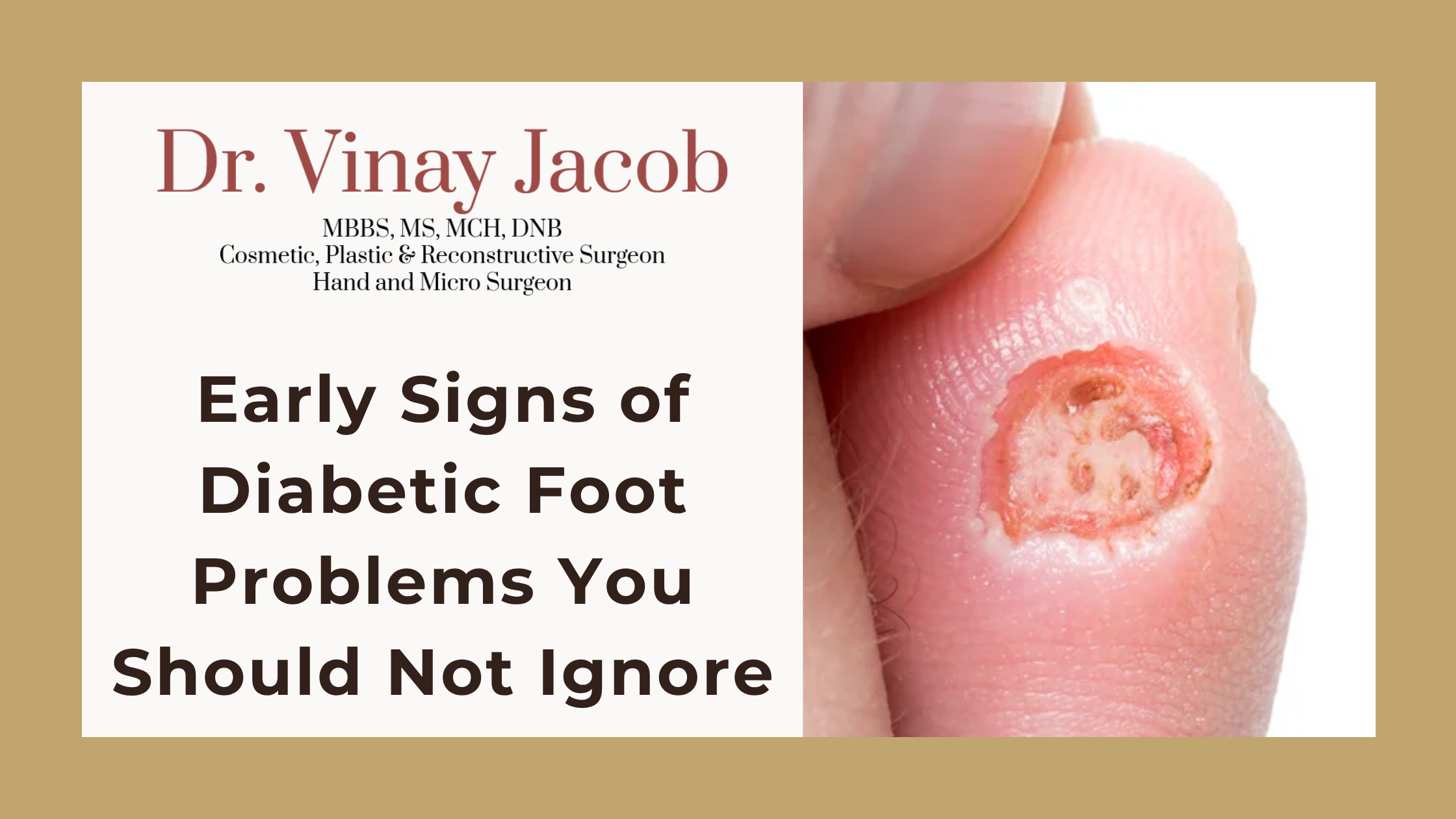
Early Signs of Diabetic Foot Problems You Should Not Ignore
Diabetes can affect many parts of the body, but the feet are particularly vulnerable to complications that may develop gradually. A small blister, cut, or area of irritation that seems harmless can sometimes become difficult to heal when diabetes affects sensation, blood circulation, or the body's ability to fight infection.
The important thing is that diabetic foot problems do not always begin with severe pain. In fact, nerve damage can reduce sensation in the feet, meaning that an injury or wound may go unnoticed.
Recognizing the early warning signs and seeking medical attention promptly can help reduce the risk of serious complications.
If you have diabetes and notice changes in your feet, understanding when to seek professional care is an important part of protecting your mobility and overall health.
What Is a Diabetic Foot Problem?
"Diabetic foot" is a broad term used for foot problems that can occur as a result of diabetes.
Long-term diabetes can contribute to complications such as:
- Peripheral neuropathy
- Poor circulation
- Skin changes
- Foot ulcers
- Infections
- Delayed wound healing
- Bone and joint problems
- Tissue damage
- Gangrene in severe cases
Not everyone with diabetes develops these complications, but the risk can increase when blood glucose levels remain poorly controlled or when other risk factors are present.

Why Are People With Diabetes at Higher Risk?
Two major factors are nerve damage and reduced blood flow.
Nerve Damage
Diabetes can damage nerves over time. When sensation decreases, you may not notice:
- A small cut
- A blister
- A burn
- A stone inside your shoe
- Pressure from poorly fitting footwear
- A developing wound
An injury that would normally cause discomfort may therefore continue unnoticed.
Reduced Blood Circulation
Diabetes can also affect blood vessels and circulation.
Reduced blood flow can make it more difficult for tissues to receive adequate oxygen and nutrients. It may also make wounds slower to heal and infections more difficult to control.
When reduced sensation and poor circulation occur together, foot problems require particular attention.
10 Early Signs of Diabetic Foot Problems
- 1. A Cut or Wound That Is Not Healing
One of the most important warning signs is a wound that does not heal as expected. It may begin as a small cut, blister, cracked area of skin, minor abrasion, or pressure injury. If the wound remains open, repeatedly breaks down, or shows little improvement, it should not be ignored. - 2. Changes in Skin Colour
A noticeable change in skin colour may indicate an underlying problem. This can include redness, darkening, pale skin, bluish or purplish areas, or blackened tissue. Any sudden or unexplained colour change should be evaluated. - 3. Swelling in the Foot or Ankle
Persistent or unexplained swelling should not be overlooked in someone with diabetes. It may occur with infection, injury, inflammation, circulation problems, or joint and bone complications. - 4. Warmth or Redness
A foot that becomes noticeably warmer or redder than usual can be an early warning sign of infection or inflammation, even when significant pain is not present. - 5. Numbness or Tingling
Numbness, tingling, burning, or a reduced ability to feel temperature can be signs of nerve involvement and may increase the risk of unnoticed injuries. - 6. Cracked or Very Dry Skin
Dry or cracked skin can create small openings through which bacteria may enter. Pay attention to the heels, soles, areas between the toes, and pressure points. - 7. Blisters, Corns or Calluses
Repeated pressure or friction can produce blisters and thickened skin. In someone with reduced sensation, these can progress into deeper tissue damage without being noticed. - 8. Foul Odour or Fluid From a Wound
Discharge, pus, increasing redness, swelling, warmth, worsening wound appearance, fever, or an unpleasant odour from a foot wound can indicate infection. - 9. Changes in the Shape of the Foot
A noticeable change in foot shape should be taken seriously. Conditions such as Charcot foot can cause changes in the bones and joints, particularly in people with significant neuropathy. - 10. Black or Dead-Looking Tissue
Blackened skin or tissue can indicate severe tissue damage and may be associated with gangrene. This is not a symptom to monitor at home and requires urgent medical attention.
Why Pain May Not Always Be Present
Many people assume that a serious foot problem must be painful. This is not necessarily true for people with diabetes.
Peripheral neuropathy can reduce the ability to feel pain, heat, pressure, or injury. As a result, a person may have a significant wound while experiencing surprisingly little discomfort.
This is one reason regular foot inspection is so important.
Who Is More Likely to Develop Diabetic Foot Problems?
Risk can increase in people who have:
- Long-standing diabetes
- Poorly controlled blood glucose
- Peripheral neuropathy
- Reduced blood circulation
- Previous foot ulcers
- Previous amputation
- Foot deformities
- Kidney disease
- Vision problems
- Difficulty caring for their feet
- Poorly fitting footwear
Having one or more risk factors does not mean you will definitely develop a foot complication, but it makes preventive care particularly important.
What Should You Do If You Notice a Foot Wound?
If you have diabetes and notice a new wound, do not simply wait for it to heal.
A healthcare professional can assess wound depth, infection, blood circulation, nerve function, tissue health, pressure points, and possible bone involvement.
Treatment depends on the underlying problem. It may involve wound care, pressure relief, infection management, blood-flow assessment, blood glucose management, footwear modification, or other specialist treatment.
Why Early Treatment Matters
A diabetic foot problem can progress through several stages. A small wound may become infected. Infection can spread into deeper tissues and, in severe cases, may involve bone or lead to tissue death.
Early evaluation provides an opportunity to identify and treat problems before they become more extensive.
This is one of the most important reasons not to ignore seemingly minor changes in diabetic feet.
What Is Diabetic Foot Treatment?
Diabetic Foot Treatment in Mumbai depends entirely on the type and severity of the problem. There is no single treatment that works for every diabetic foot condition.
Depending on the diagnosis, treatment may include:
Wound Care
Appropriate wound cleaning, dressing, and monitoring can help support healing.
Offloading
Reducing pressure on the affected area is often important for diabetic foot wounds. Special footwear, orthotic devices, casts, or other methods may be used depending on the wound and foot structure.
Infection Management
If an infection is present, treatment may include appropriate antibiotics and wound management. More serious infections may require hospital-based care or surgical treatment.
Circulation Assessment
If blood flow to the foot is reduced, vascular evaluation may be required. Improving blood supply can be an important part of managing difficult-to-heal wounds.
Surgical Treatment
Some severe or complicated wounds may require procedures to remove infected or damaged tissue. The goal is to control infection, preserve healthy tissue, and protect as much of the foot and limb as possible.
Can Diabetic Foot Problems Lead to Amputation?
In severe cases, diabetic foot complications can result in tissue loss and may eventually require amputation. However, not every diabetic foot wound leads to amputation.
Early diagnosis, appropriate wound care, infection management, pressure relief, circulation assessment, and blood glucose management can all play important roles in reducing the risk of progression.
When severe tissue damage has already occurred, treatment decisions depend on the extent of infection, circulation, tissue viability, and the overall condition of the patient.
What Is Limb Salvage?
Limb salvage refers to treatment aimed at preserving a functional limb when there is a serious risk of amputation.
Depending on the situation, this can involve a multidisciplinary approach that may include wound specialists, vascular specialists, plastic surgeons, orthopaedic or foot specialists, diabetologists, and infection specialists.
The treatment plan depends on the specific cause and severity of the problem.
How Can You Protect Your Feet if You Have Diabetes?
Inspect Your Feet Every Day
Look for cuts, blisters, redness, swelling, cracks, colour changes, discharge, and new areas of pressure. Use a mirror or ask someone for help if you cannot easily see the bottoms of your feet.
Keep Feet Clean and Dry
Wash your feet gently and dry them carefully, especially between the toes.
Choose Appropriate Footwear
Wear comfortable shoes that fit properly and do not create excessive pressure. Avoid walking barefoot, particularly if you have reduced sensation.
Protect Your Skin
Keep the skin appropriately moisturized to reduce cracking, but avoid applying moisturizer between the toes.
Do Not Self-Treat Serious Problems
Avoid cutting corns, calluses, or thickened skin yourself, especially if you have neuropathy or poor circulation.
Manage Your Diabetes
Keeping blood glucose within your target range, as advised by your diabetes care team, is an important part of reducing the risk of complications.
When Should You Seek Medical Attention?
Contact a healthcare professional promptly if you notice:
- A new foot wound
- Increasing redness or warmth
- Swelling
- Pus or discharge
- A wound that is not healing
- New or worsening numbness
- Sudden changes in foot shape
- Blackened tissue
- Fever or feeling unwell alongside a foot problem
Black or dead-looking tissue, rapidly spreading redness or swelling, severe infection symptoms, or systemic illness require urgent medical assessment.
Frequently Asked Questions
- What is the first sign of a diabetic foot problem?
There is no single first sign. A small wound, blister, redness, swelling, numbness, skin cracking, or change in temperature can be an early warning sign. - Can diabetic foot problems occur without pain?
Yes. Nerve damage can reduce sensation, meaning a person may have a wound or infection without experiencing significant pain. - How long does a diabetic foot wound take to heal?
Healing time varies considerably depending on wound depth, infection, circulation, blood glucose control, pressure on the wound, and overall health. A wound that is not improving should be medically assessed. - Can a diabetic foot ulcer heal completely?
Many diabetic foot ulcers can heal with appropriate treatment, but healing depends on several factors. Early assessment and appropriate wound care can be important. - Should I walk on a diabetic foot ulcer?
Walking or putting pressure on an ulcer can interfere with healing. Your healthcare provider can recommend appropriate offloading and activity restrictions based on the wound. - Can diabetic foot problems be prevented?
Risk can be reduced through daily foot inspection, appropriate footwear, good diabetes management, regular medical check-ups, and early treatment of minor injuries. - What is Charcot foot?
Charcot foot is a condition involving progressive damage to the bones and joints of the foot, often associated with peripheral neuropathy. Swelling, warmth, redness, and changes in foot shape can occur. - Does every diabetic foot infection require surgery?
No. Treatment depends on the severity and depth of the infection. Some infections can be managed medically, while deeper or more severe infections may require surgical treatment.
Considering Diabetic Foot Treatment in Mumbai?
A small foot problem can become more complicated when diabetes affects sensation, circulation, or wound healing. Recognizing changes early and getting the right medical assessment can make an important difference.
If you have a persistent wound, infection, recurrent ulcer, tissue damage, or another concerning change in your foot, Dr. Vinay Jacob can assess the condition and discuss appropriate treatment options based on your individual situation.
Book a consultation for Diabetic Foot Treatment in Mumbai to have your foot problem evaluated and understand the available options for wound care, infection management, reconstruction, or limb-preserving treatment when appropriate.