

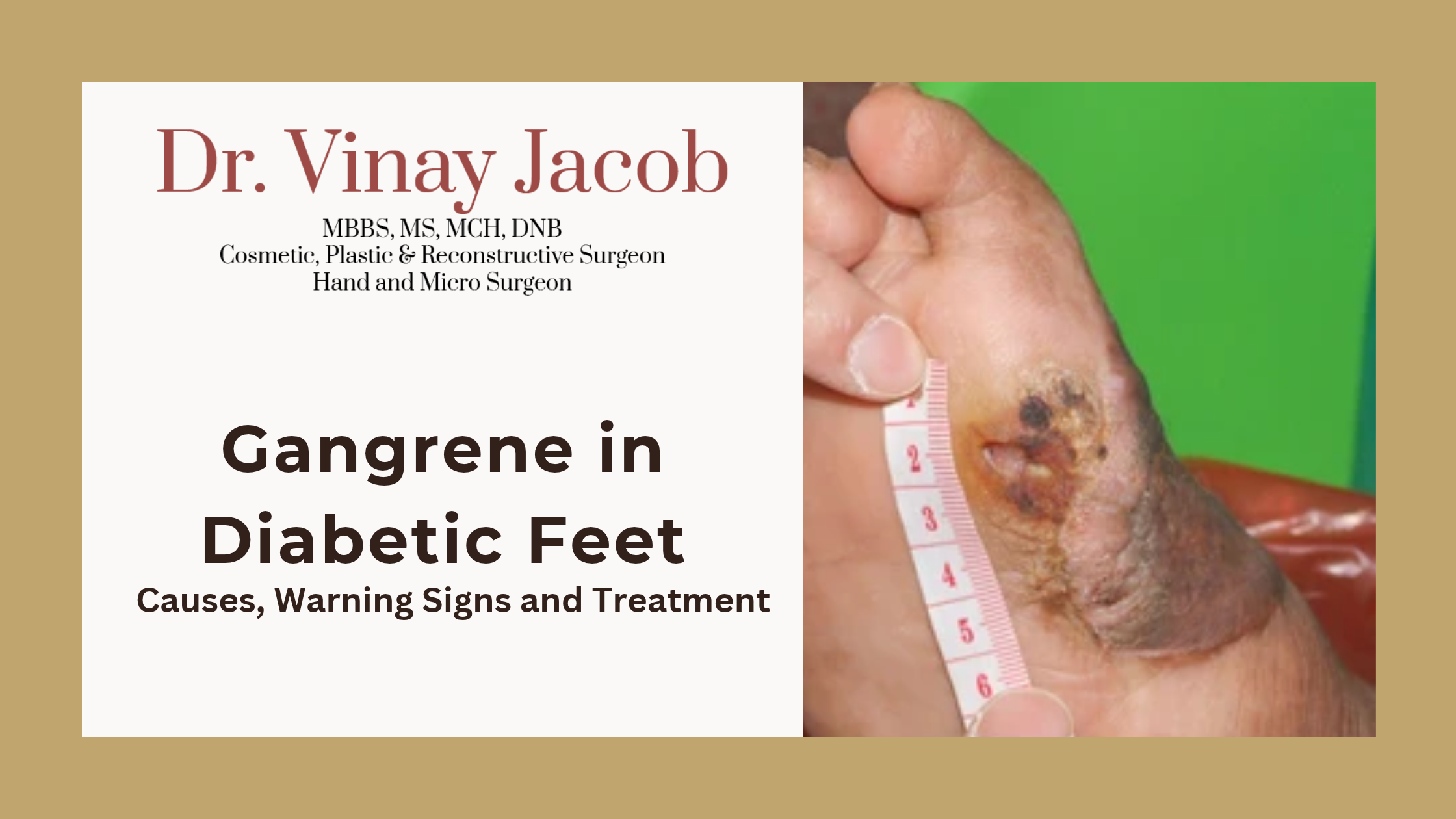
Gangrene in Diabetic Feet: Causes, Warning Signs and Treatment
Diabetes can affect the feet in ways that make even minor injuries potentially serious. Prolonged high blood sugar can damage nerves, reduce blood circulation, and slow wound healing. When the tissues of the foot do not receive enough blood and oxygen, or when a severe infection damages the tissues, gangrene may develop.
Gangrene in diabetic feet is a serious medical condition that requires urgent evaluation. It can cause tissue death and, in advanced cases, threaten the affected limb or a person's overall health. Recognizing the warning signs early and seeking appropriate treatment can help prevent further tissue damage and improve the chances of saving the foot.
For people seeking Diabetic Feet Treatment in Mumbai, understanding the causes, symptoms, and available treatment options can help them recognize when immediate medical attention is necessary.
What Is Gangrene in Diabetic Feet?
Gangrene occurs when body tissue dies because of inadequate blood supply, severe infection, or a combination of both. In people with diabetes, gangrene most commonly affects the toes, feet, or lower limbs.
Diabetes increases the risk of gangrene through two major complications:
- Diabetic neuropathy: Nerve damage that reduces the ability to feel pain, pressure, heat, or injuries.
- Peripheral artery disease: Narrowing of the arteries that reduces blood flow to the feet.
When a wound develops in an area with poor circulation, the tissues may not receive enough oxygen and nutrients to heal. If infection develops, the condition can deteriorate quickly.
Gangrene is not simply a wound that has become dark or discoloured. It represents tissue damage that requires prompt medical assessment.
Causes of Gangrene in Diabetic Feet
Several factors can contribute to the development of gangrene in people with diabetes.
Poor Blood Circulation
Reduced blood flow is one of the most important risk factors for gangrene.
Diabetes can contribute to peripheral artery disease, in which fatty deposits and other changes narrow the arteries supplying blood to the legs and feet.
When circulation is severely reduced:
- Wounds heal slowly.
- Damaged tissue receives insufficient oxygen.
- The body's ability to fight infection may be compromised.
- Tissue can eventually die.
People with diabetes who smoke or have other cardiovascular risk factors may have an increased risk of circulation problems.
Diabetic Neuropathy
Diabetic neuropathy can make it difficult to recognize foot injuries.
A person may develop a blister, cut, burn, or pressure wound without experiencing significant pain. Because the injury goes unnoticed, walking may continue to place pressure on the affected area.
Over time, the wound can become deeper, develop an infection, and progress to severe tissue damage.
Diabetic Foot Ulcers
A diabetic foot ulcer is an open wound that commonly develops on the toes, soles, heels, or pressure points.
If an ulcer remains untreated, it may become infected. When infection occurs alongside poor circulation, the risk of tissue death increases.
Common causes of foot ulcers include poorly fitting footwear, calluses, minor cuts, cracked skin, and repeated pressure on the same area.
Foot Infections
Bacteria can enter damaged skin and spread into the surrounding tissues.
Infections may cause inflammation, tissue destruction, and the formation of pus-filled pockets. In severe cases, infection can progress rapidly and contribute to gangrene.
Signs of infection may include redness, warmth, swelling, discharge, foul odour, and fever. However, people with diabetes may not experience all these symptoms.
High Blood Sugar
Persistently elevated blood glucose can interfere with normal wound healing and the body's response to infection.
Although blood sugar is not the only factor involved, diabetes management is an important part of reducing the risk of foot complications.
Repeated Pressure and Foot Injuries
Walking barefoot, wearing tight shoes, or repeatedly placing pressure on an injured area can worsen skin damage.
People with reduced foot sensation may continue putting pressure on a wound without realizing it.
Regular foot inspection and suitable footwear can help identify and prevent some of these injuries.
Warning Signs of Gangrene in Diabetic Feet
Recognizing the early signs of gangrene is essential because the condition can progress and become limb-threatening.
Changes in Skin Colour
One of the most concerning signs is a change in skin colour.
Affected tissue may appear dark brown, purple, grey, or black. The skin may look dry and shrivelled, or it may become swollen and moist, depending on the type of gangrene.
Not every dark spot indicates gangrene, but unexplained darkening of a toe or foot in someone with diabetes requires urgent medical evaluation.
Non-Healing or Worsening Wounds
A wound that continues to remain open, deepen, or enlarge may indicate poor circulation, infection, or both.
Pay attention to ulcers that do not improve despite appropriate care, especially when the surrounding skin changes colour or becomes swollen.
Foul Smell or Abnormal Discharge
A strong or unpleasant smell from a foot wound may indicate infection or damaged tissue.
The wound may also produce pus or other abnormal discharge. These symptoms should not be ignored or managed solely with home remedies.
Swelling, Redness and Warmth
Swelling, redness, and warmth may develop around an infected wound.
In some cases, redness can spread beyond the original injury. People with diabetes should seek prompt medical attention if these changes occur.
Pain or Reduced Pain Sensation
Gangrene associated with poor circulation may cause significant pain, particularly in the toes or feet.
However, diabetic neuropathy can reduce pain sensation. Therefore, the absence of pain does not rule out a serious problem.
Coldness or Numbness
A foot or toe that feels unusually cold may indicate reduced blood circulation. Numbness may occur because of diabetic nerve damage.
A sudden change in temperature, sensation, or skin colour warrants urgent assessment, particularly when accompanied by a wound.
Fever and Signs of Systemic Illness
If an infection spreads beyond the foot, a person may develop fever, chills, weakness, or other signs of systemic illness.
These symptoms can indicate a medical emergency and require immediate care.
Important: If you notice blackened tissue, rapidly worsening swelling, spreading redness, foul-smelling discharge, or signs of severe illness, seek urgent medical care. Do not wait for a routine appointment.
Types of Gangrene
Gangrene is generally classified according to the underlying process and the appearance of the affected tissue.
Dry Gangrene
Dry gangrene usually develops when blood supply to an area is severely reduced.
The affected tissue may become dry, shrivelled, and dark in colour. It commonly affects the toes or feet in people with significant circulation problems.
Dry gangrene still requires urgent medical assessment because the affected area may need treatment to prevent further tissue loss.
Wet Gangrene
Wet gangrene occurs when tissue death is associated with infection and fluid accumulation.
The affected area may become swollen, moist, discoloured, and foul-smelling. Infection can spread quickly, making wet gangrene a medical emergency.
Gas Gangrene
Gas gangrene is a rare but extremely serious infection in which bacteria produce gas within affected tissues.
It can progress rapidly and may cause severe pain, swelling, discolouration, and systemic illness. Emergency treatment is essential when it is suspected.
The type of gangrene cannot always be determined by appearance alone. Medical examination and appropriate investigations are necessary.
How Is Gangrene in Diabetic Feet Diagnosed?
Diagnosis involves assessing the affected foot, evaluating circulation, and determining whether infection has spread into deeper tissues.
A healthcare professional may perform the following assessments.
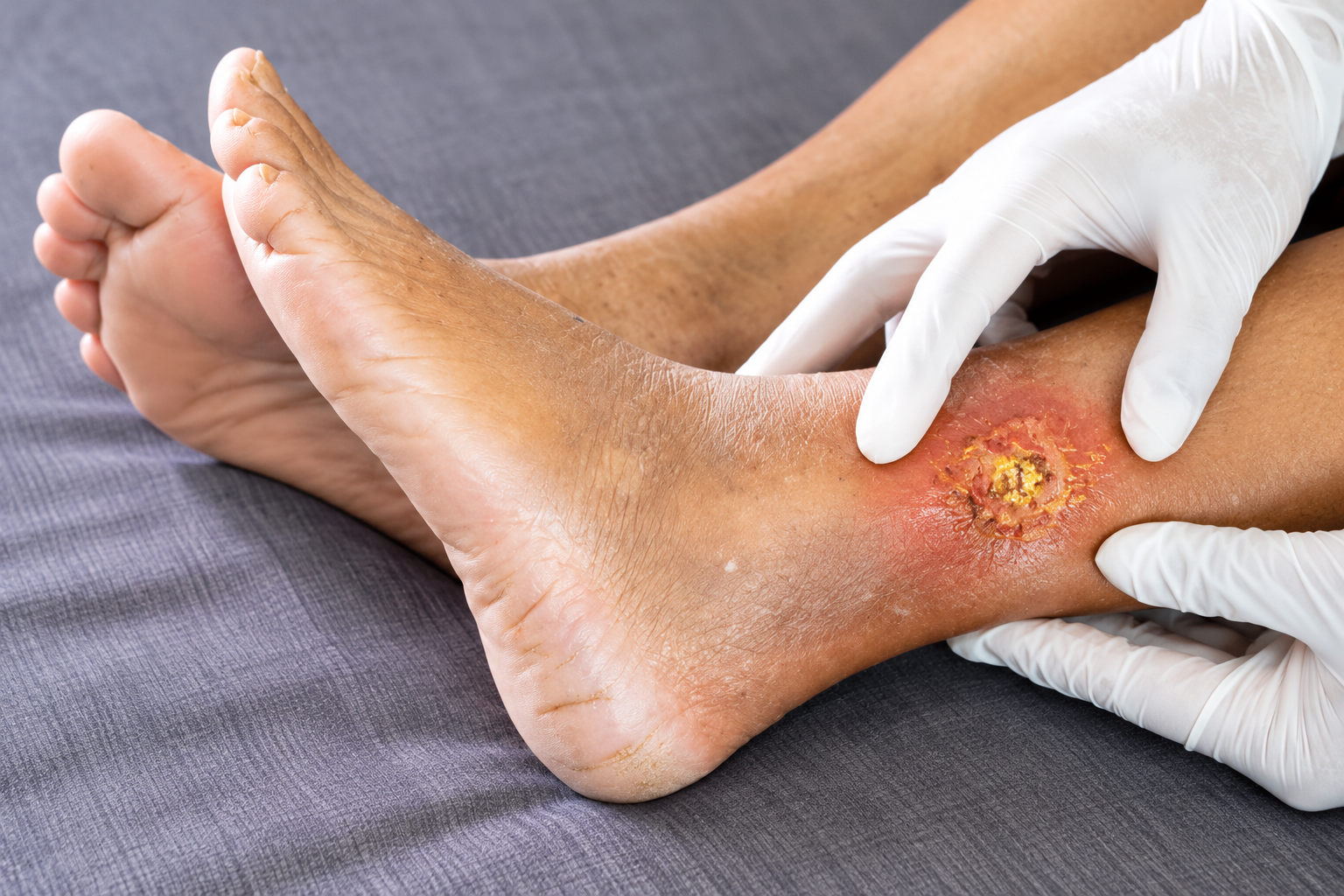
Physical Examination
The doctor examines the skin, wounds, surrounding tissues, and affected toes or foot.
The assessment may include checking for discolouration, swelling, discharge, tissue breakdown, and signs of infection.
Circulation Assessment
Because poor circulation is a major contributor to gangrene, the doctor may examine foot pulses and recommend tests to assess blood supply.
These may include Doppler ultrasound, ankle-brachial index testing, toe pressure measurements, or other vascular investigations as appropriate.
Blood Tests
Blood tests may help assess inflammation, infection, blood glucose levels, kidney function, and other factors relevant to treatment.
Imaging Studies
X-rays or other imaging studies may be recommended if the doctor suspects bone infection, gas in the tissues, or deeper tissue damage.
Samples to Identify Infection
When appropriate, samples may be collected to identify the organisms causing infection and help guide antibiotic treatment.
The investigations selected depend on the severity of the condition and the findings during examination.
Treatment Options for Gangrene in Diabetic Feet
Treatment depends on the extent of tissue damage, the presence of infection, the blood supply to the foot, and the person's overall health.
The main goals are to control infection, remove dead tissue when necessary, improve circulation, and preserve as much healthy tissue as possible.
Urgent Hospital Care
Severe gangrene, particularly when accompanied by systemic infection, requires urgent hospital-based treatment.
The medical team may need to begin intravenous antibiotics, provide supportive care, and arrange urgent surgical or vascular assessment.
Treatment should not be delayed while attempting home remedies.
Antibiotics
Antibiotics may be prescribed when bacterial infection is present.
The type, route, and duration of treatment depend on the severity of infection, the organisms involved, and whether deeper tissues or bones are affected.
Antibiotics can treat infection, but they cannot restore blood flow or revive tissue that has already died.
Removal of Dead Tissue
A procedure called debridement may be used to remove dead or infected tissue when clinically appropriate.
This can help control infection and support wound management. The approach must be selected carefully, particularly when blood circulation is poor.
Not every patient needs the same procedure, and the timing of debridement depends on the condition of the foot.
Restoring Blood Flow
When gangrene is related to severely reduced blood supply, improving circulation may be essential.
A vascular specialist may recommend procedures such as:
- Angioplasty: A catheter-based procedure that widens a narrowed blood vessel.
- Stenting: Placement of a small tube to help keep a treated artery open when appropriate.
- Bypass surgery: Creation of an alternative route for blood to reach the affected area.
The suitability of these procedures depends on the location and severity of arterial disease and the patient's overall health.
Wound Care and Pressure Relief
Once the immediate risks are addressed, appropriate wound management becomes an important part of treatment.
Care may include suitable dressings, monitoring for infection, and reducing pressure on the affected foot.
Specialized footwear or offloading devices may be recommended to protect the wound and support healing.
Blood Glucose Management
Managing blood glucose is important during treatment and recovery.
The medical team may review diabetes medication, monitor glucose levels, and recommend an individualized plan to support healing and reduce further complications.
Surgery and Amputation When Necessary
When tissue damage is extensive, infection cannot be controlled, or the affected area cannot be preserved safely, surgery may be necessary.
Depending on the condition, the procedure may involve removing a limited amount of damaged tissue, removing an affected toe, or performing a more extensive amputation.
The aim is to control the disease, protect the person's overall health, and preserve as much functional tissue as possible.
Amputation is not inevitable in every case of gangrene. The decision depends on the severity of tissue damage, circulation, infection, and the likelihood of saving the affected area safely.
How to Reduce the Risk of Gangrene
Not every case can be prevented, but careful foot care and timely medical management can reduce the risk of serious complications.
Inspect Your Feet Daily
Check the soles, heels, toes, and spaces between the toes for cuts, blisters, cracks, swelling, or changes in skin colour.
If you have difficulty seeing the bottom of your feet, use a mirror or ask someone to help.
Wear Suitable Footwear
Choose shoes that fit comfortably and do not cause rubbing or pressure.
Avoid walking barefoot, particularly if you have reduced sensation or a history of foot ulcers.
Avoid Unsafe Corn and Callus Treatments
Do not cut corns or calluses with blades or use harsh chemical treatments without medical advice. These practices can injure the skin and increase the risk of infection.
Manage Diabetes
Follow your diabetes management plan and attend regular medical appointments. Good glucose management supports overall health and can help reduce diabetes-related complications.
Stop Smoking
Smoking can worsen blood circulation and increase the risk of peripheral artery disease. If you smoke, discuss strategies for quitting with your healthcare professional.
Seek Early Treatment for Wounds
Do not wait for a wound to become painful or develop a foul smell.
Any wound that is worsening, not healing, or accompanied by signs of infection should be assessed promptly.
When to Seek Medical Attention
Seek urgent medical assessment if you have diabetes and notice a foot wound that is becoming worse, dark or black tissue, spreading redness, swelling, discharge, unusual coldness, or other concerning changes.
Emergency care is especially important if symptoms progress rapidly or are accompanied by fever, chills, confusion, or severe weakness.
People with diabetic foot ulcers, poor circulation, recurrent wounds, or previous gangrene may also need regular specialist follow-up to reduce the risk of further complications.
When considering Diabetic Feet Treatment in Mumbai, look for an appropriate medical team that can assess the wound, evaluate circulation, manage infection, and coordinate surgical or vascular treatment when needed.
Frequently Asked Questions
- What are the early signs of gangrene in diabetic feet?
Early signs vary, but they may include unusual skin discolouration, a non-healing wound, coldness in the toes, or worsening tissue damage. Black or purple skin can indicate advanced damage and requires urgent assessment. - Can gangrene in diabetic feet be treated?
Treatment may control infection, remove dead tissue, and restore circulation when possible. Tissue that has already died cannot be revived, but timely treatment may prevent further damage and help preserve healthy tissue. - Does gangrene always require amputation?
No. Some cases can be managed with infection treatment, wound care, and procedures to improve blood flow. However, amputation may be necessary when tissue damage is extensive or the infection cannot be controlled safely. - Is gangrene in diabetic feet painful?
It can cause severe pain, particularly when blood flow is reduced. However, diabetic neuropathy may reduce sensation, so gangrene can also develop with little or no pain. - Can antibiotics alone treat gangrene?
Antibiotics may be necessary when infection is present, but they may not be sufficient on their own. Treatment can also require removal of dead tissue, restoration of blood flow, or other surgical procedures. - How quickly can gangrene progress?
The speed depends on the type of gangrene, the severity of infection, circulation, and overall health. Some forms can progress rapidly, so suspected gangrene should never be left for observation at home. - How can people with diabetes reduce their risk of gangrene?
Regular foot checks, appropriate footwear, good diabetes management, smoking cessation, and early treatment of wounds can reduce risk. People with poor circulation or previous ulcers may need more frequent professional foot assessments.
Final Thoughts
Gangrene is a serious complication of diabetes, but early recognition and appropriate treatment can make an important difference. Changes in skin colour, non-healing wounds, infection, or reduced circulation should never be ignored.
If you are looking for Diabetic Feet Treatment in Mumbai, consult a qualified medical team promptly for an assessment of the affected foot and the most appropriate treatment plan. Depending on the condition, care may involve wound management, infection control, circulation assessment, or surgical intervention.
Do not delay care if gangrene is suspected. Seek urgent medical attention to reduce the risk of further tissue damage and protect your foot health.